Anchor

Salt Lake City installs lynching memorial after Utah lawmakers twice refused
Rule Changes Salt Lake City, UT localA city pilot program marks the 1866 lynching of Thomas Coleman and an LGBTQ gathering spot
Today: City unveils lynching and LGBTQ markersNew here? Follow stories to track developments over time. Create a free account to get updates when stories you care about change.
Overview
Updated 1 hour agoUtah's legislature twice voted against memorializing Thomas Coleman, a former slave lynched on Capitol Hill in 1866. Salt Lake City installed the marker anyway, on its own land a block from the state Capitol.
The plaque came through a pilot program the city launched in 2025 to let local organizations propose historical markers. The city unveiled it alongside a second marker honoring an LGBTQ gathering spot, pairing a century-old lynching with a celebration of queer community.
Why it matters
Cities can memorialize histories that state governments refuse to touch — the pilot decides which Salt Lake City stories get told.
Questions about this story
Free account needed to ask — your question is kept and asked for you right after sign-up. Answers are public.
No questions yet — be the first to ask.
Key Indicators
1866
Year of Thomas Coleman's lynching
A former slave killed on Capitol Hill; one of two known lynchings of Black men in Salt Lake City.
2
Times Utah lawmakers rejected a Coleman memorial
State GOP leaders voted down the proposal, prompting the city to act on its own property.
2
Markers unveiled in the city pilot
The Coleman lynching plaque and an LGBTQ gathering spot marker were placed together.
Related Media
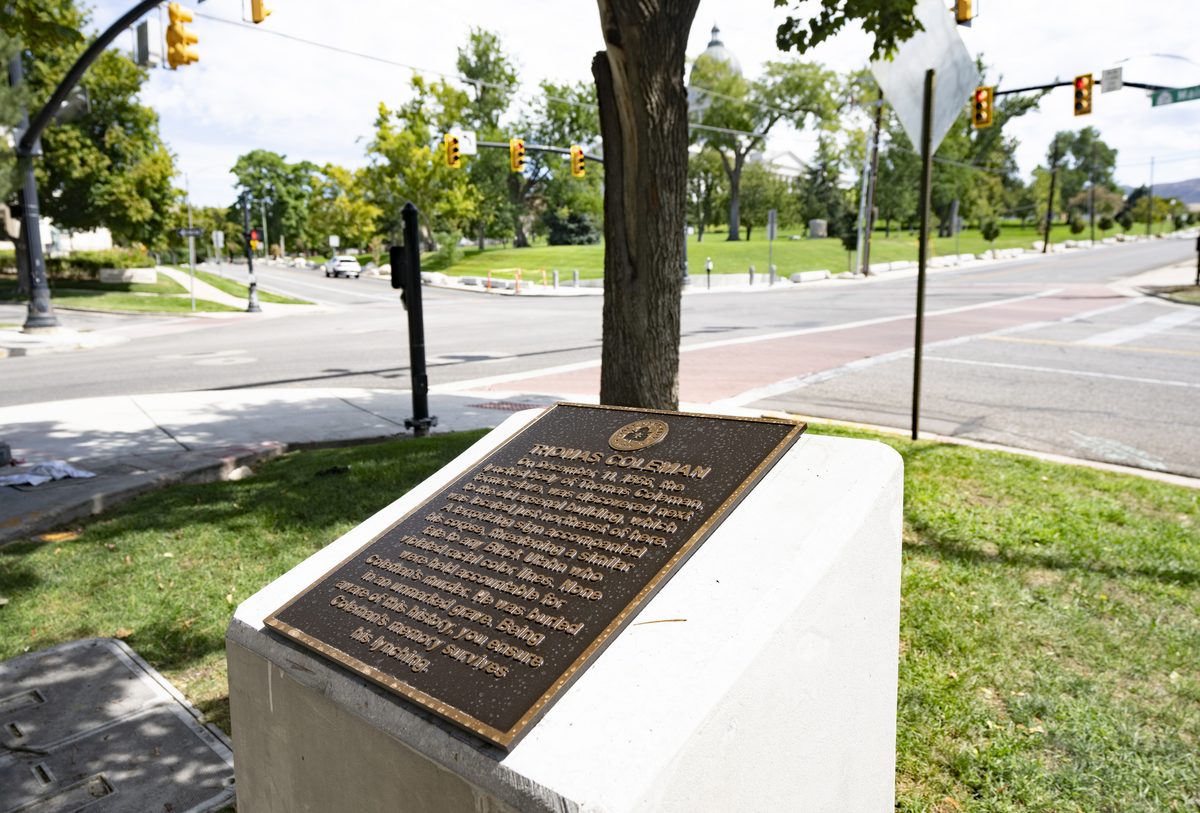
SLC unveils plaque for lynched Black man after Utah GOP leaders twice voted against it
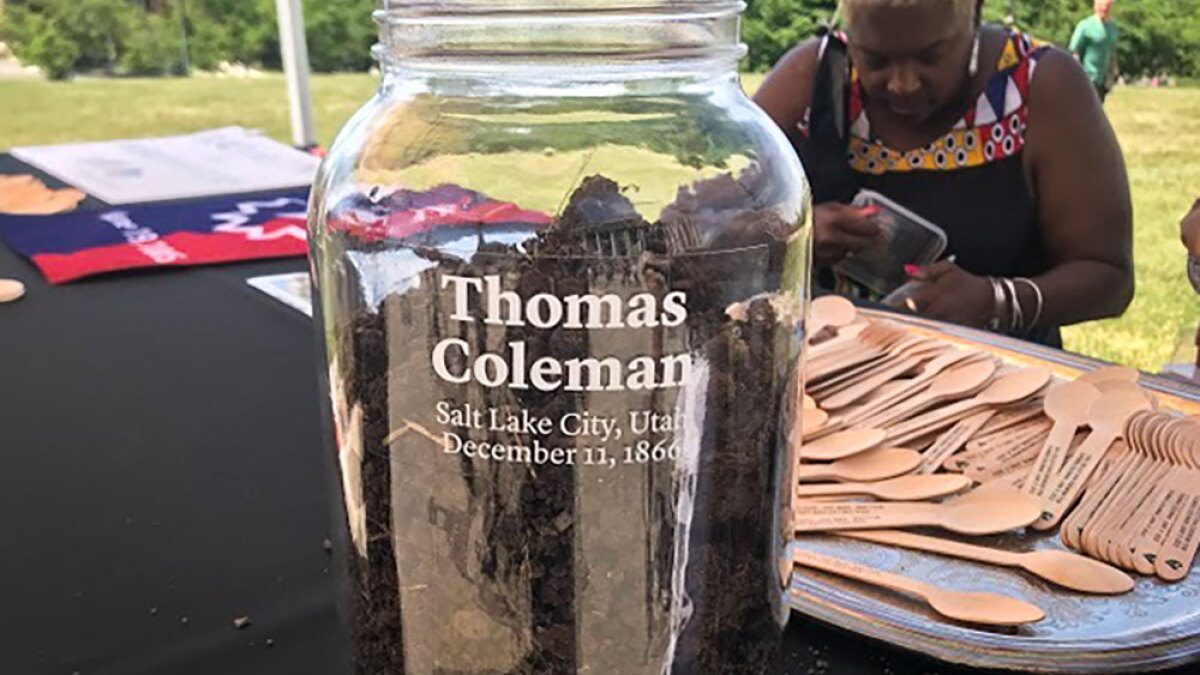
Salt Lake City soil collection ceremony memorializes two lynchings from over a century ago | KUER
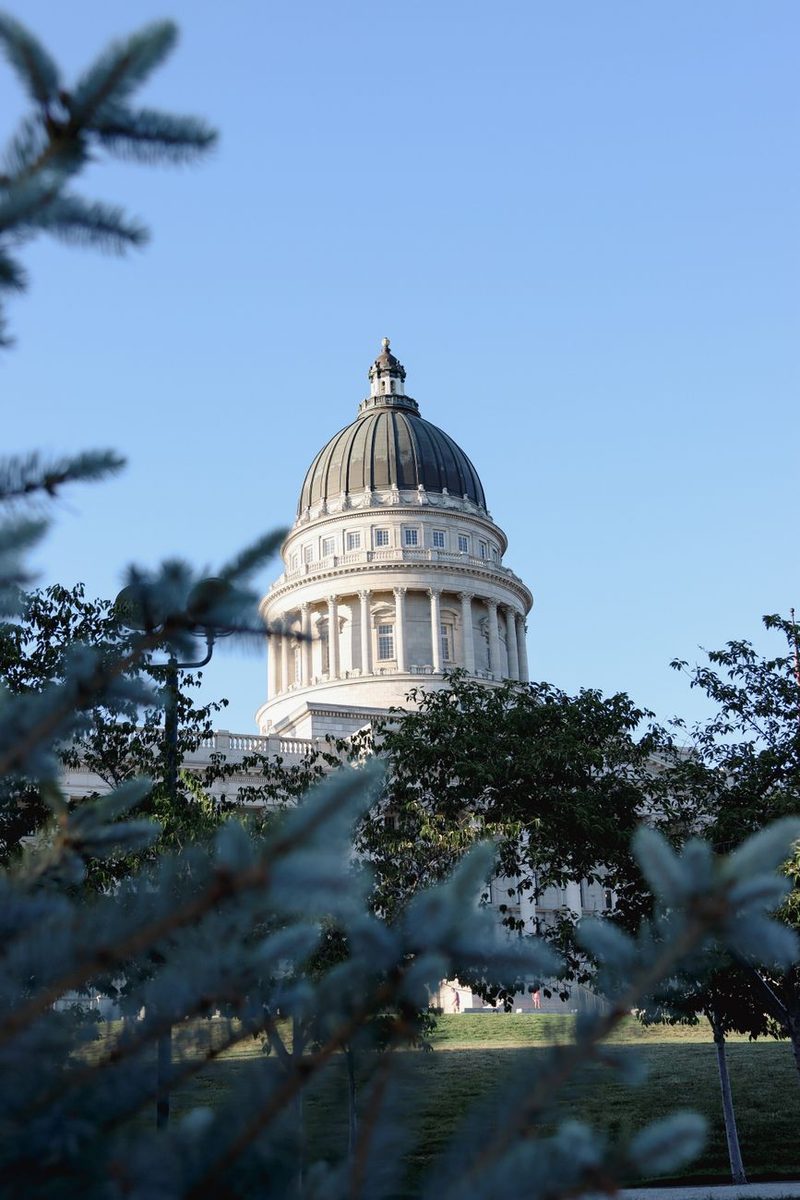
View of the iconic Utah State Capitol building framed by summer foliage in Salt Lake City.
36.5K views
1:33
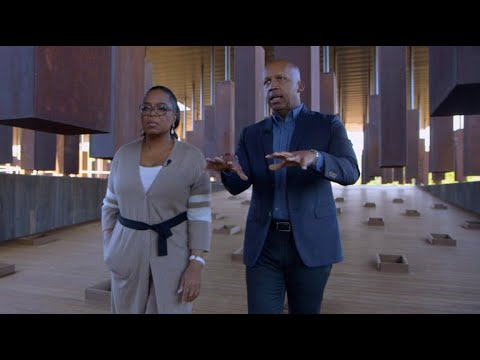
A new memorial honors more than 4000 victims of lynching
60 Minutes
274 views
22:30
Utah monument shrunk in pair of executive orders, NYT ...
ABC4 Utah
Images from Openverse under Creative Commons licenses. Videos from YouTube.
Voices
Curated perspectives — historical figures and your fellow readers.
Play
Exploring all sides of a story is often best achieved with Play.
Most of these play right now — no account needed. Sign up to save scores, keep a streak, and unlock Debate and Predict.
Log in
Sign Up
Higher or Lower
A number from this story, against one from elsewhere in the news — guess which is bigger, then keep the chain going. 5 rounds, 3 strikes; a miss costs a strike and resets your streak.
Example
Anchor
EU tariff revenue
$52B
Big for this kind of number
Mystery
Pentagon AI contract
?
Round 1
Streak: 0
Mystery
?
Keyboard: ↓/L lower · ↑/H higher
0 pts
Best streak: 0 · Rounds: 0
0 points — sign up to put that on the leaderboard.
Now try on this story
Connections
Sixteen names from the news. Find the four hidden groups of four. Four mistakes max.
Loading today's puzzle…
0/4 groups
Mistakes
Sign up to keep a daily streak — a new puzzle lands every day.
Now try on this story
Exit debate?
Your progress in this debate will be lost.
How it works
- 1 Two AI personas square off on this story.
- 2 You predict who'll win each round — correct picks earn XP.
- 3 One crossfire question is yours to fire. Pick it carefully.
Couldn't generate a topic
Select Your Champions
Choose one persona for each side of the debate
DEBATE TOPIC
Choose personas with different perspectives for a more dynamic debate.
SIDE A (PRO)
Select debater for this side:
No debate personas available right now.
SIDE B (CON)
Select debater for this side:
No debate personas available right now.
VS
Get ready to make your prediction...
Round of
Claim
Evidence
Stakes
Crossfire Answer
Closing Statement
Claim
Evidence
Stakes
Crossfire Answer
Closing Statement
Your Crossfire Question
Generating arguments...
Who's Got This Round?
Make your prediction before the referee scores
The referee scores both sides on
Correct predictions earn +20 XP
· Press 1 or 2 to pick
Evidence
40%
Logic
30%
Detail
20%
Style
10%
Round Results
Your Pick
Not this time
(%)
Overall Score
/10
Your Pick
Not this time
(%)
Overall Score
/10
Set the Crossfire
Pick the question both personas must answer in the final round
Crafting crossfire questions...
Choosing a question earns +10 XP crossfire bonus
🏆
Total XP Earned
Cred Change
Predictions
Debate Oracle! You called every round!
Sharp Instincts! You know your debaters!
The Coin Flip Strategist! Perfectly balanced!
The Contrarian! Bold predictions!
Inverse Genius! Try betting the opposite next time!
XP Breakdown
Base completion
+20 XP
Rounds played ( rounds x 5 XP)
+ XP
Correct predictions ( correct x 20 XP)
+ XP
Crossfire bonus
+10 XP
Accuracy
%
Prediction History
Round
You picked:
✓
✗
Now try on this story
Keep debating to level up your credibility and unlock achievements
People Involved
Organizations Involved
Salt Lake City Mayor's Office of Access & Belonging
City Agency
Administers the historical markers pilot
City office that reviews and approves historical marker proposals with the Human Rights Commission.
Utah State Legislature
State Government
Twice rejected a Coleman memorial
State lawmakers twice voted down proposals to memorialize Coleman, leading the city to act independently.
Equal Justice Initiative
Nonprofit
National model for lynching memorials
Nonprofit that has sponsored hundreds of lynching memorial markers across the United States.
Timeline
1866 September 2026
6 events
Latest: Today
Tap a bar to jump to that date
-
City unveils lynching and LGBTQ markers
Today CommemorationSalt Lake City presents both plaques — Coleman's lynching and a historic LGBTQ gathering spot — as a pair.
-
Coleman memorial installed at 300 N Main
CommemorationThe Thomas Coleman Memorial is placed across from the Utah Capitol on Salt Lake City property.
-
Utah lawmakers vote twice against memorial
LegislativeState GOP leaders reject proposals to memorialize Coleman, clearing the way for city action.
-
Marker proposal deadline passes
PolicyOrganizations submit ideas for plaques covering overlooked local histories.
-
Salt Lake City launches marker pilot
PolicyCity opens a program inviting local organizations to propose historical markers. Submissions close February 28.
-
Thomas Coleman lynched on Capitol Hill
Historical EventFormer slave Thomas Coleman is killed on Utah's Capitol Hill, one of two recorded lynchings of Black men in Salt Lake City.
Historical Context
2 moments from history that rhyme with this story — and how they unfolded.
2015-2021
Confederate monument removal battles (2015-2021)
After the 2015 Charleston church shooting, cities across the South moved to remove Confederate statues. Several states passed laws prohibiting local removal, creating a direct local-state conflict over public memory.
Then
Cities removed monuments in defiance of state prohibitions in places like Birmingham and New Orleans.
Now
The fights established that municipalities control memorials on their own land, even when states disagree.
Why this matters now
Salt Lake City's end-run around the legislature mirrors this dynamic: a city used its property authority to memorialize what a state refused.
2018-present
EJI Community Remembrance Project (2018-present)
The Equal Justice Initiative began partnering with local communities to place narrative markers at the sites of racial terror lynchings. Markers now stand in more than a dozen states, from Maryland to Texas to California.
Then
Communities gained a public way to confront histories of racial violence long ignored by official records.
Now
Hundreds of markers now form a national counternarrative to monuments honoring Confederate leaders.
Why this matters now
Salt Lake City's Coleman marker uses the same template — a local commemorative plaque addressing a lynching that state institutions declined to acknowledge.
Sources
(4)Related Stories
Salt Lake City considers zoning change to allow more housing types across a third of the city
Rule Changes
Updated Yesterday
Urban Nations Powwow cleared to operate at Smith's Ballpark in Salt Lake City
Rule Changes
Updated 6 days ago
Salt Lake City breaks ground on west-side affordable housing complex
Built World
Updated 2 days ago
Salt Lake County bans faster e-bikes from canyon trails
Rule Changes
Updated 2 days ago
Sauna and cold plunge business cleared to open in Salt Lake City
Built World
Updated 3 days ago
Runtastic Haunted Salt Lake City clears food permit for October race
Rule Changes
Updated 6 days ago