
2012
CRISPR-Cas9 discovery (2012)
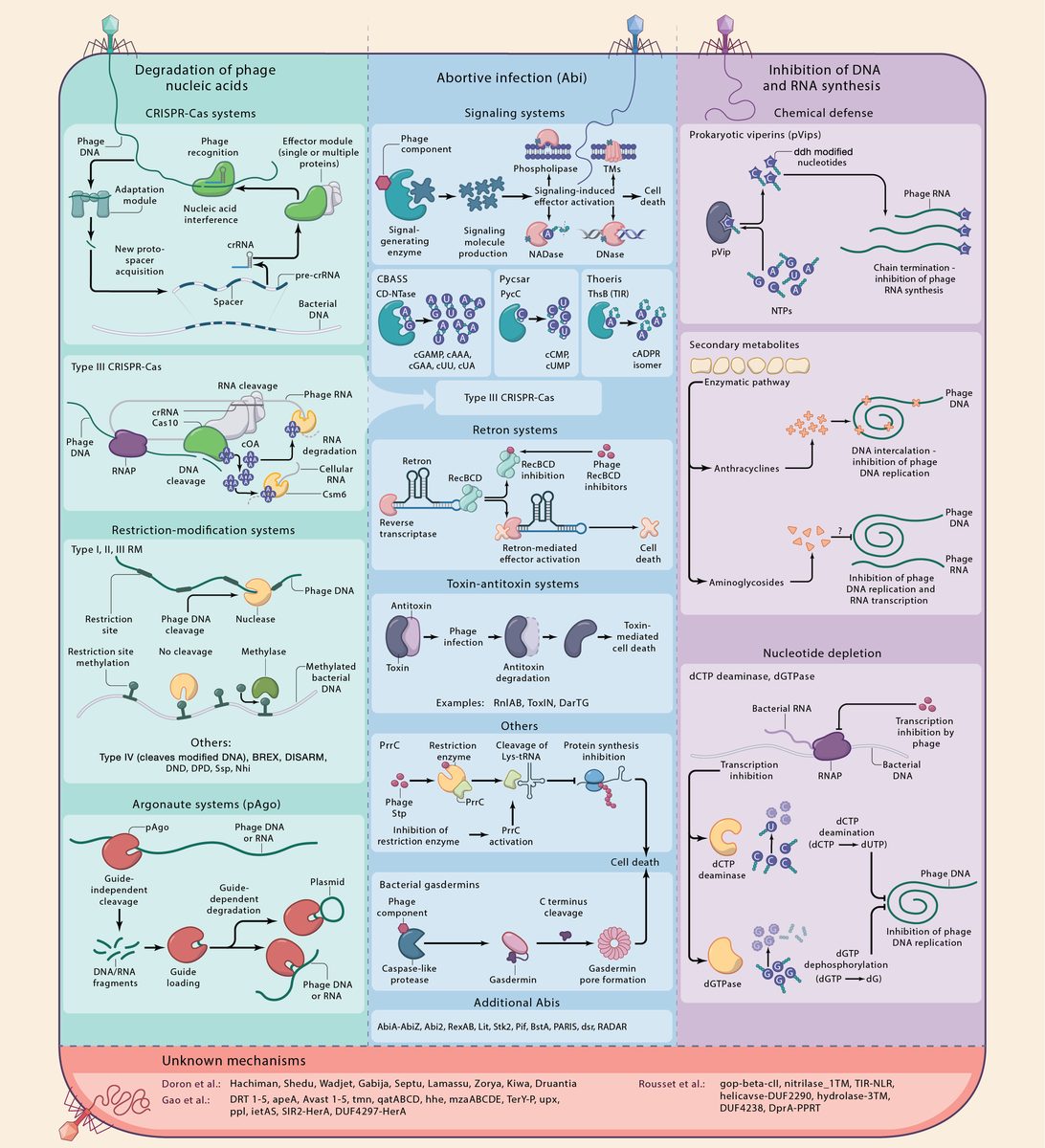
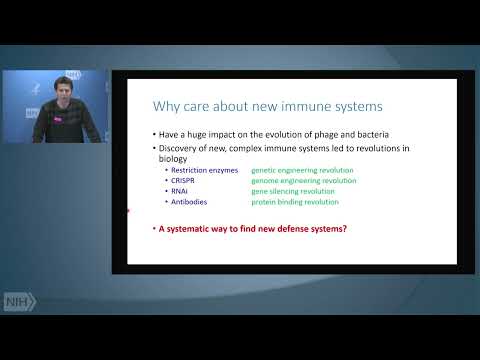
Researchers discovered that CRISPR-Cas9, a bacterial adaptive immune system that cuts viral DNA, could be programmed to edit any DNA sequence. Jennifer Doudna, Emmanuelle Charpentier, and colleagues published the foundational work.
Then
Within years, CRISPR became the standard tool for gene editing in labs worldwide.
Now
Doudna and Charpentier won the 2020 Nobel Prize in Chemistry. CRISPR-based therapies are now in clinical trials.
Why this matters now
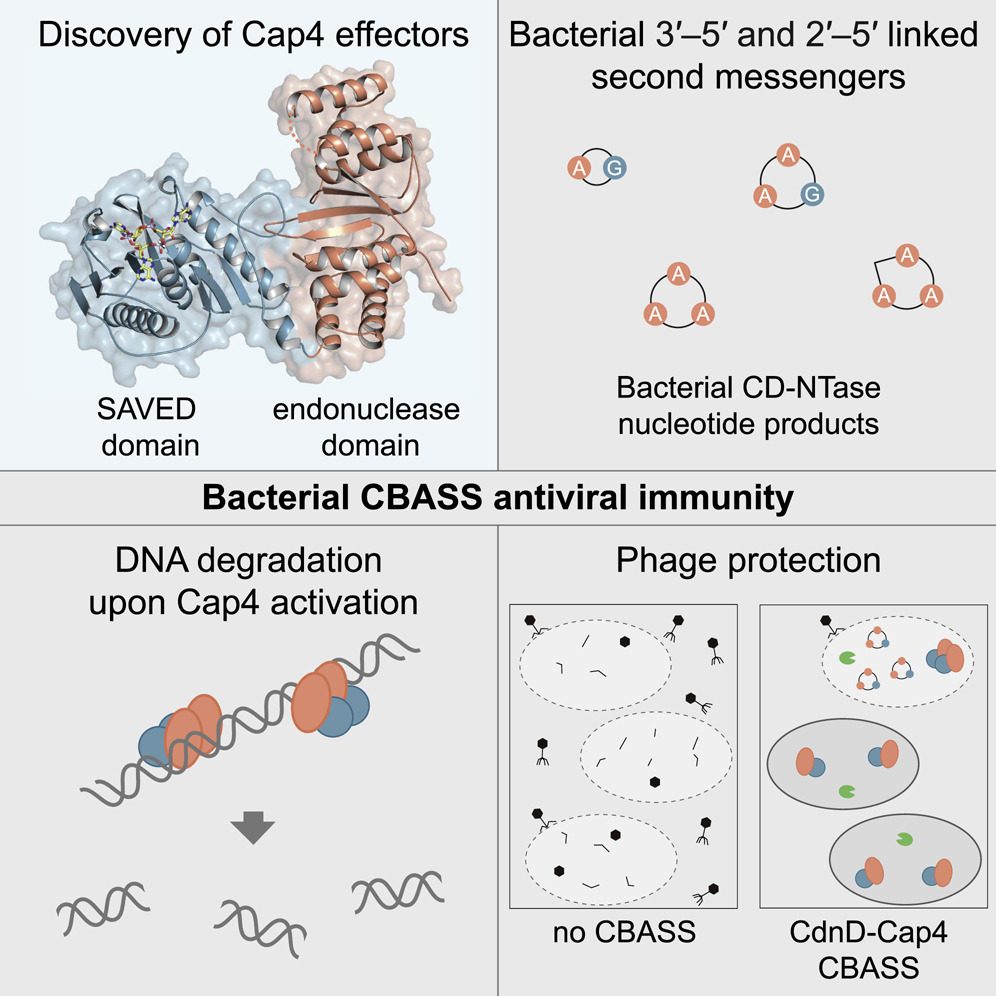
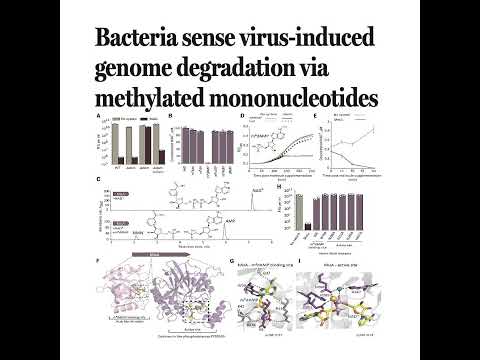
Like CRISPR, CBASS is a bacterial immune system whose study could yield powerful biotechnology tools. Understanding how bacteria detect phages could improve phage therapy.