

Utah becomes first state to offer fully digital apostilles
New Capabilities Salt Lake City, UT localNew online platform cuts international document authentication time by 80%
Yesterday: Digital apostille service goes liveNew here? Follow stories to track developments over time. Create a free account to get updates when stories you care about change.
Overview
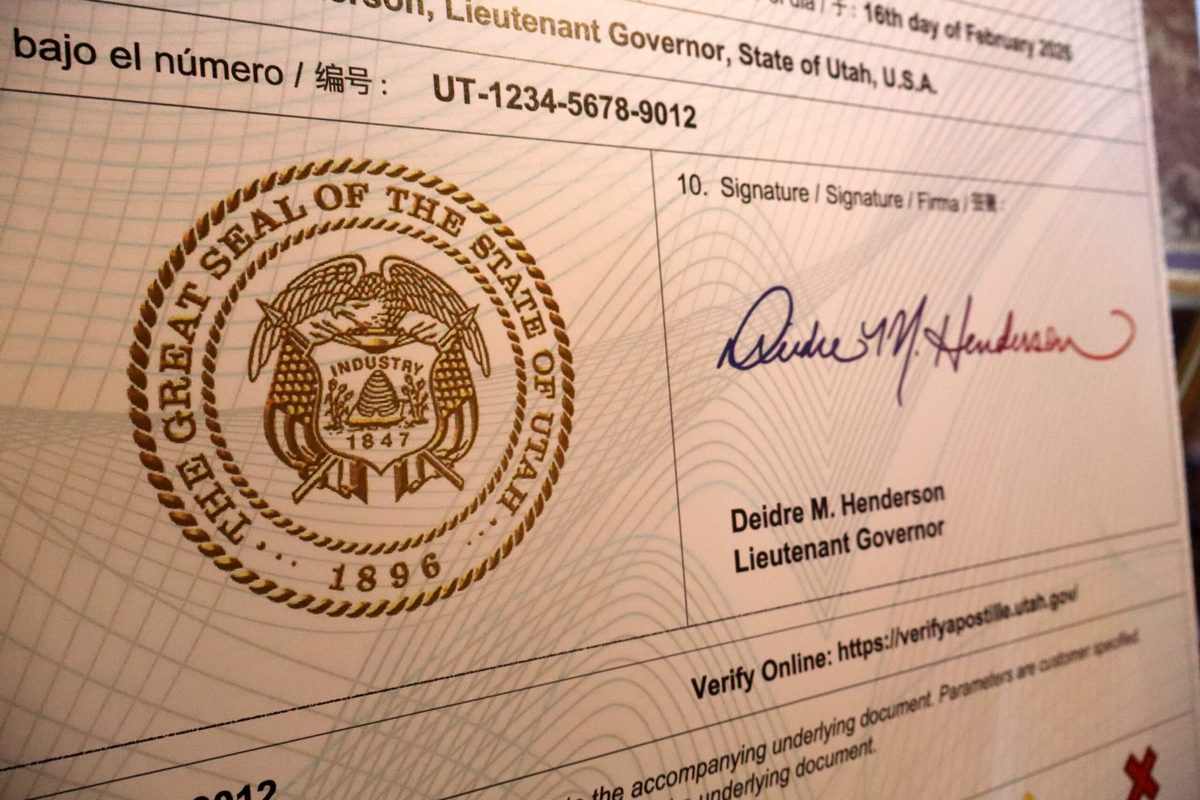
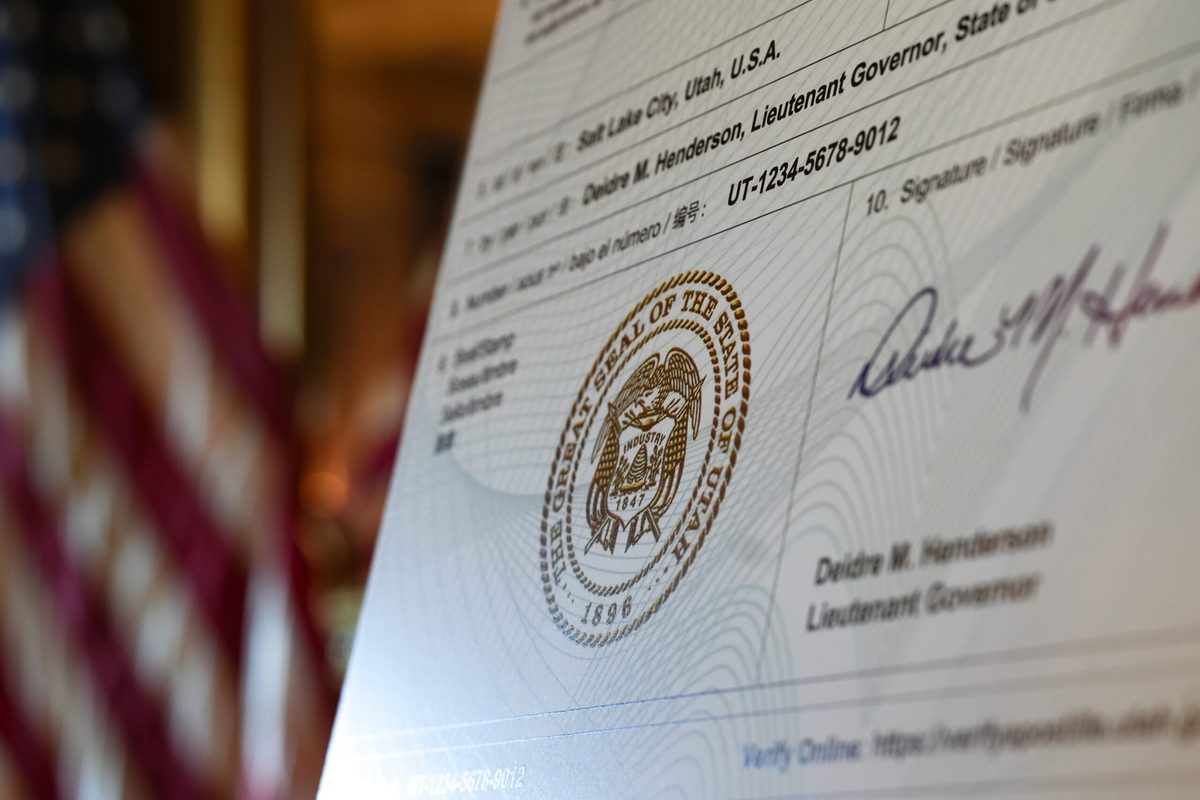
Updated YesterdayUtahns who need to certify documents for use abroad—diplomas, birth certificates, adoption papers—no longer have to travel to the state Capitol or risk losing sensitive paperwork in the mail. Starting Thursday, they can submit and receive their apostille certificates entirely online, making Utah the first state to offer a fully digital authentication process.
The apostille, a stamp that verifies a document's authenticity for international use, is recognized in over 125 countries under a 1961 treaty. Utah's new system cuts processing time by an estimated 80% and delivers encrypted, verifiable files instantly. State officials say demand for apostilles has surged from 18,000 in 2020 to 45,000 in the last fiscal year.
Why it matters
Utah's move lets thousands of residents authenticate international documents without mail or Capitol trips, and it could reshape how states handle this paperwork.
Questions about this story
Free account needed to ask — your question is kept and asked for you right after sign-up. Answers are public.
No questions yet — be the first to ask.
Key Indicators
Voices
Curated perspectives — historical figures and your fellow readers.
Play
Exploring all sides of a story is often best achieved with Play.
Higher or Lower
A number from this story, against one from elsewhere in the news — guess which is bigger, then keep the chain going. 5 rounds, 3 strikes; a miss costs a strike and resets your streak.
Keyboard: ↓/L lower · ↑/H higher
0 points — sign up to put that on the leaderboard.
Connections
Sixteen names from the news. Find the four hidden groups of four. Four mistakes max.
Sign up to keep a daily streak — a new puzzle lands every day.
Exit debate?
Your progress in this debate will be lost.
- 1 Two AI personas square off on this story.
- 2 You predict who'll win each round — correct picks earn XP.
- 3 One crossfire question is yours to fire. Pick it carefully.
Couldn't generate a topic
Select Your Champions
Choose one persona for each side of the debate
DEBATE TOPIC
Choose personas with different perspectives for a more dynamic debate.
Select debater for this side:
No debate personas available right now.
Select debater for this side:
No debate personas available right now.
Who's Got This Round?
Make your prediction before the referee scores
The referee scores both sides on
Round Results
Set the Crossfire
Pick the question both personas must answer in the final round
Debate Oracle! You called every round!
Sharp Instincts! You know your debaters!
The Coin Flip Strategist! Perfectly balanced!
The Contrarian! Bold predictions!
Inverse Genius! Try betting the opposite next time!
XP Breakdown
Prediction History
People Involved
Organizations Involved
Timeline
-
Digital apostille service goes live
Latest LauchUtah becomes the first state to offer a fully digital apostille process, accepting electronic submissions and delivering encrypted certificates.
-
Utah announces digital apostille program
StatementLt. Gov. Deidre Henderson announces the launch at the state Capitol, citing years of preparation and a successful pilot.
Historical Context
2 moments from history that rhyme with this story — and how they unfolded.
Hague Apostille Convention (1961)
The Hague Conference on Private International Law adopted the Apostille Convention, establishing a single form of authentication for public documents used across borders. It replaced lengthy consular legalization with a standardized certificate accepted by all participating countries.
Countries quickly adopted the apostille, eliminating the need for multiple certifications for international document use.
The paper-based apostille became the global standard for about 60 years, with over 125 countries now participating.
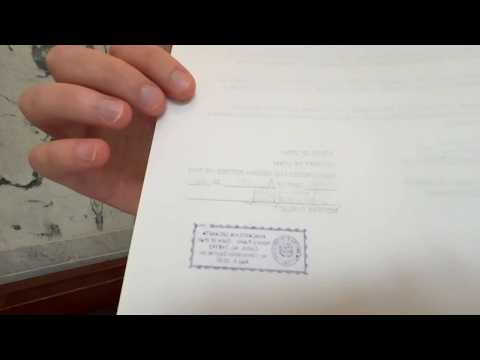
Utah's digital apostille is a direct modernization of this 1961 treaty system, using encrypted electronic files instead of physical stamps to achieve the same legal validity.
Adoption of Remote Online Notarization in the United States (2010s-2020s)
States gradually legalized remote online notarization, letting people sign documents before a notary over video. Virginia was the first in 2011, and more than 40 states followed by 2020, spurred by the pandemic.
Notarization became faster and more accessible, especially during COVID-19 lockdowns.
The success of remote notarization built trust in legally binding digital processes and cleared a regulatory path for other electronic authentications like apostilles.
Remote notarization set a precedent for state-level adoption of digital legal instruments. Utah's digital apostille follows the same pattern of incremental acceptance, starting with a pilot and then full rollout.
