
Pull to refresh
Logo
Judge dismisses DOJ lawsuit seeking Utah's private voter data

Judge dismisses DOJ lawsuit seeking Utah's private voter data

Rule Changes

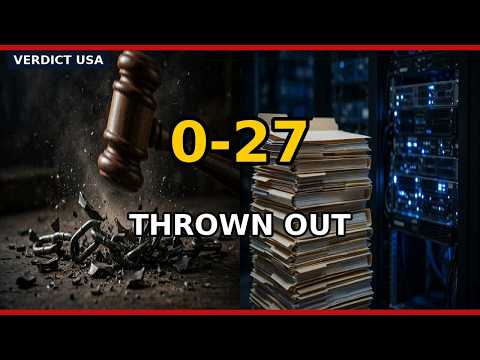
Utah ruling is the Justice Department's 27th loss in its national push for state voter rolls

3 days ago: Judge dismisses DOJ suit against Utah

Overview

Updated 59 minutes ago

A federal judge dismissed the Justice Department's lawsuit demanding Utah's statewide voter registration list on October 23. U.S. District Court Judge David Barlow ruled the Civil Rights Act of 1960 doesn't require the state to disclose voters' dates of birth, Social Security numbers, and addresses, and he threw out the case with prejudice.

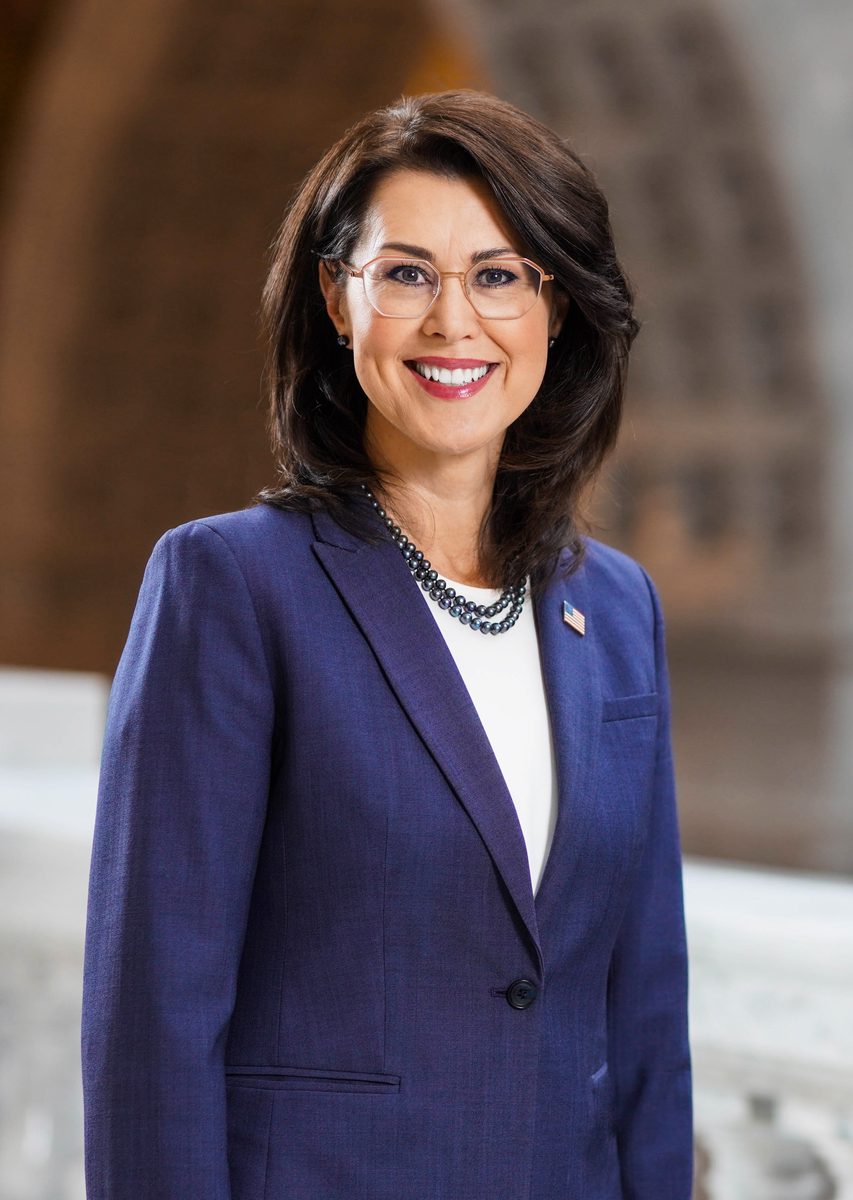
The ruling is the DOJ's 27th loss in its campaign to collect voter data from states; no court at any level has ruled in its favor. Two weeks earlier, a Washington judge vacated the department's voter data policy nationwide, calling it an illegal abuse of authority. Utah Lt. Gov. Deidre Henderson, who refused the demand, posted "0-27" with a heart emoji.

Why it matters

The case tests whether the federal government can force states to hand over voter rolls containing dates of birth, Social Security numbers, and addresses — a dispute now playing out in 31 lawsuits nationwide.

Questions about this story

Free account needed to ask — your question is kept and asked for you right after sign-up. Answers are public.

No questions yet — be the first to ask.

Key Indicators

27
DOJ losses in voter data suits
Dismissals on the merits, including the Utah case. No court at any level has ruled for the department.
31
Voter data lawsuits filed by DOJ
Total suits the department filed against states. One settled; three remain pending on the merits.
0
Court rulings favoring the DOJ
No district or appellate court has ruled for the department in any of the voter data cases.
3
Cases still pending
Delaware, Hawaii, and Idaho. The Hawaii and Idaho suits are stayed pending Ninth Circuit appeals.

Voices

Curated perspectives — historical figures and your fellow readers.

Ever wondered what historical figures would say about today's headlines?

Sign up to generate historical perspectives on this story.

People Involved

Organizations Involved

Timeline

December 2025 October 2026

6 events Latest: 3 days ago
Tap a bar to jump to that date
  1. DOJ sends Utah a demand for its voter list

    Demand

    The Attorney General sent Lt. Gov. Henderson a proposed memorandum of understanding requesting the unredacted statewide voter list.

Scenarios

1

DOJ appeals Utah dismissal to the Tenth Circuit

Likely Resolves by End of 2026

Discussed by: ProPublica; State Democracy Research Initiative — both note the department has appealed most dismissals

The government has roughly 60 days from the ruling to file a notice of appeal. The Tenth Circuit in Denver would then review whether Title III of the Civil Rights Act of 1960 covers a statewide voter registration list.

2

Tenth Circuit affirms, deepening the DOJ's 0-for streak

Possible Resolves by Q2 2028

Discussed by: State Democracy Research Initiative — no appellate court has ruled for the department

If the DOJ appeals and the Tenth Circuit affirms, the Utah ruling would join Michigan's affirmation as precedent in a second circuit. That would widen the pattern of losses as the Ninth Circuit weighs the California and Oregon appeals.

3

Supreme Court settles the voter data fight

Possible Resolves by Jun 1, 2028

Discussed by: State Democracy Research Initiative; ProPublica — both flag the pending Ninth Circuit appeals as potential cert trigger

A circuit split could pull the dispute to the Supreme Court. If the Ninth Circuit rules against the DOJ, the department could seek certiorari to resolve the scope of Title III of the 1960 Civil Rights Act.

Historical Context

2 moments from history that rhyme with this story — and how they unfolded.

May 1960

Civil Rights Act of 1960, Title III

Congress passed the Civil Rights Act of 1960 after the 1957 Act proved weak. Title III required election officials to preserve records and let the Attorney General inspect them in cases alleging voting discrimination.

Then

The Justice Department used the inspection power to challenge Black voter disenfranchisement in the South.

Now

The inspection mechanism became a standing tool in federal voting-rights enforcement.

Why this matters now

The DOJ invoked this same statute in 2026 to demand Utah's statewide database. Judge Barlow held the list 'does not fall within the scope' of Title III, which historically covered specific election records, not general voter registration databases.

June 2013

Shelby County v. Holder

The Supreme Court struck down the Voting Rights Act's preclearance formula, freeing states to change election laws without federal approval.

Then

States gained immediate control over their own election rules.

Now

Congress never passed a replacement formula, and federal oversight of state election administration shrank.

Why this matters now

The 2026 voter data campaign is a new federal lever over state election records. Courts have so far rejected it, echoing the post-Shelby shift of election administration toward the states.

Sources

(8)