
DHS Fusion Centers (2003-2012)
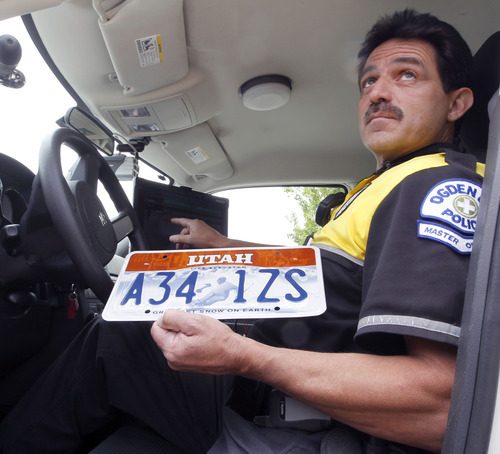
After the Sept. 11 attacks, the Department of Homeland Security helped states open fusion centers meant to combine federal and local intelligence in one hub. A 2012 Senate investigation found analysts collected and kept information on citizens with no connection to terrorism, including license plate scans and reports on political activity.
Congress held hearings; some centers tightened procedures, but most remained open with limited public oversight.
The fusion-center model became a standing part of American policing, and privacy advocates still cite its failures as a warning about integrated intelligence hubs.
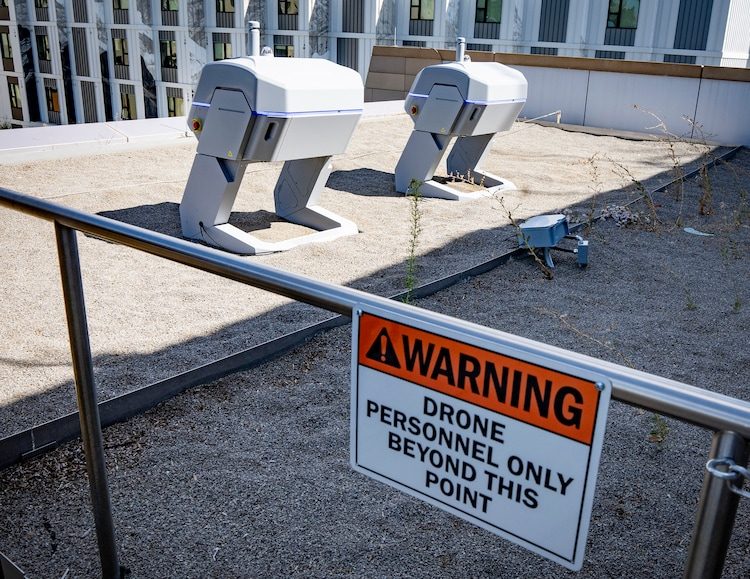
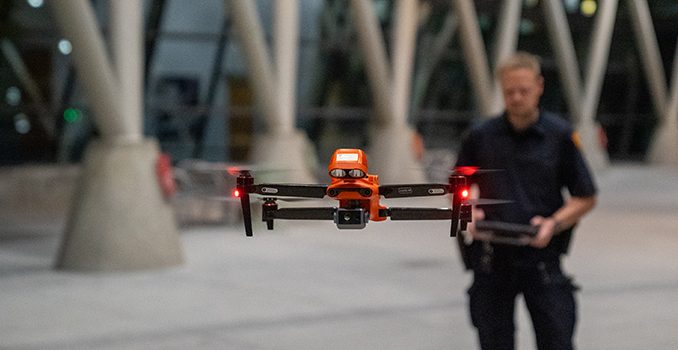
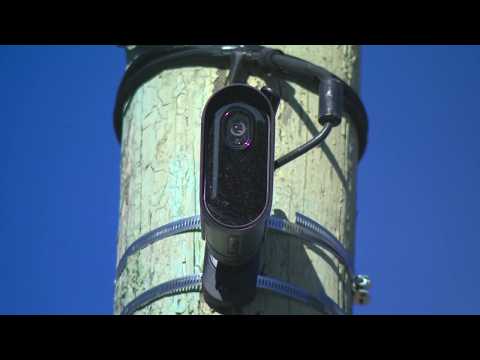
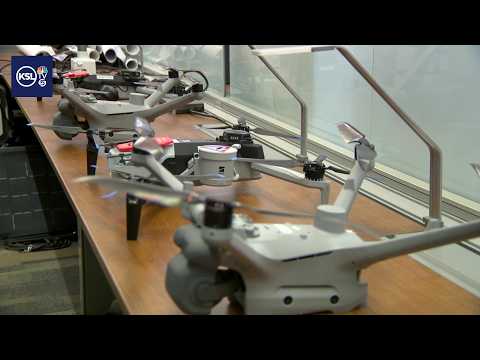
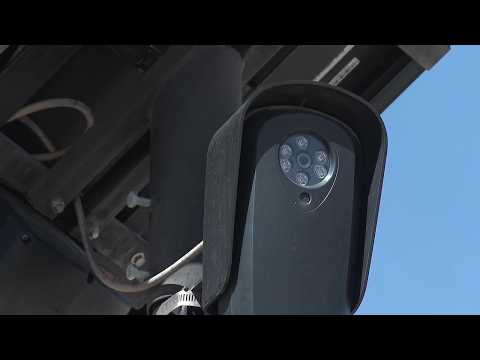
Salt Lake City's Real-Time Crime Center is a new generation of the same idea: pulling many data streams into one hub, raising the question of whether oversight keeps pace.