
Pull to refresh
Logo
Utah warns of deaths linked to tainted kratom supplements

Utah warns of deaths linked to tainted kratom supplements

Rule Changes Salt Lake City, UT local

Four deaths in Utah are tied to illegal opioid-like compounds in herbal products mislabeled as 'cat's claw'

Yesterday: Utah issues urgent public health warning

Overview

Updated Yesterday

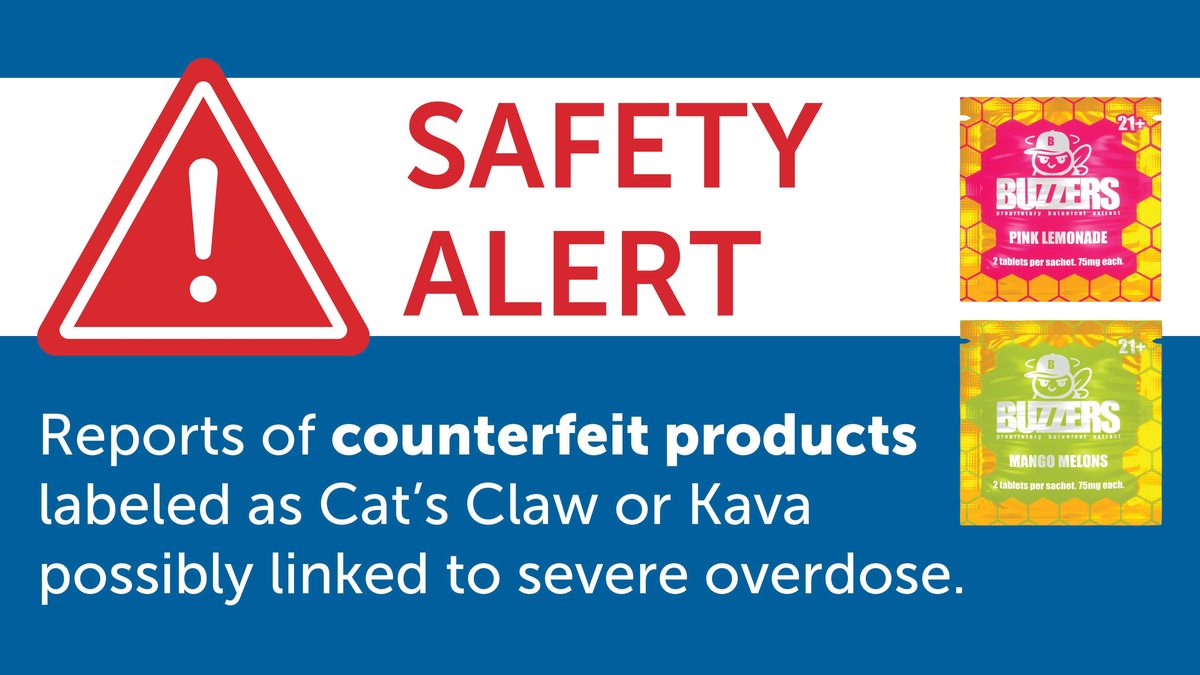
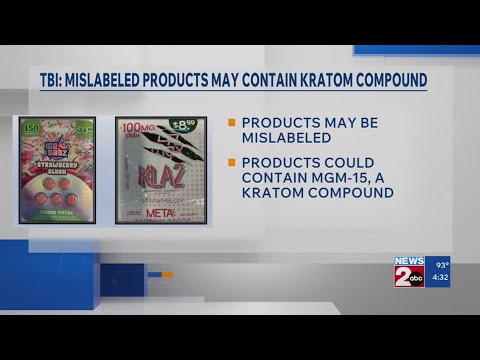
Four people in Utah have died after using herbal supplements that contained illegal, opioid-like chemical compounds, according to the Utah Department of Health and Human Services. The department issued an urgent public health warning Monday, saying the products, which include some kratom products and items labeled "cat's claw," can cause fatal overdoses.

The deaths come just months after Utah lawmakers banned most kratom products during the 2026 legislative session and state officials classified the dangerous compounds (MGPI and MGM-15) as Schedule I controlled substances in August. Now, state agencies are scrambling to pull the mislabeled products off store shelves, raising a central question: will this crackdown prevent future deaths, or will the supply simply move?

Why it matters

If these tainted supplements stay on shelves, more people will die from a product they believe is a legal herbal remedy.

Salt Lake City, UT news by email

Openings, permits and council decisions in Salt Lake City, UT, in your inbox every Monday.

Questions about this story

Free account needed to ask — your question is kept and asked for you right after sign-up. Answers are public.

No questions yet — be the first to ask.

Key Indicators

4
Deaths linked to tainted supplements
Investigations are ongoing into the deaths, which have been linked to illegal compounds in the products.
2
Illegal compounds identified
MGPI and MGM-15 are semi-synthetic chemicals derived from kratom, classified as Schedule I drugs in Utah in August.

Voices

Curated perspectives — historical figures and your fellow readers.

Ever wondered what historical figures would say about today's headlines?

Sign up to generate historical perspectives on this story.

People Involved

Organizations Involved

Timeline

1 event Latest: Yesterday
  1. Utah issues urgent public health warning

    Latest Public Health

    Utah health officials link four deaths to illegal compounds in herbal supplements, including kratom and 'cat's claw' products.

Scenarios

1

State crackdown removes tainted products from shelves

Possible Resolves by Jan 31, 2027

Discussed by: Utah state agencies (UDAF, DHHS) and the FDA

UDAF's enforcement actions, combined with new state law and the Schedule I classification, successfully push the mislabeled products out of smoke shops, gas stations, and online storefronts. Retailers comply quickly, and public warnings reduce demand. No new deaths are linked to the specific Buzzers-brand products. This outcome hinges on effective cooperation between local and federal agencies.

2

Supply shifts to other synthetic analogues

Uncertain Resolves by Oct 1, 2027

Discussed by: Public health officials and drug policy analysts

The crackdown on MGPI and MGM-15 creates a vacuum that is quickly filled by new, unregulated synthetic analogues. These new compounds are chemically similar but not yet classified as Schedule I, creating a legal gray area. This 'cat-and-mouse' dynamic requires constant legislative and regulatory vigilance to keep up with chemists modifying the molecular structure to avoid bans.

Historical Context

2 moments from history that rhyme with this story — and how they unfolded.

2024

Kratom Deaths at Ole Miss (2024)

Two University of Mississippi students died, bringing national attention to kratom and synthetic substances.

Then

The deaths sparked investigations and renewed calls for federal regulation of kratom products.

Now

They highlighted the dangers of unregulated synthetic compounds being added to kratom products to increase potency.

Why this matters now

The Utah cases echo the Ole Miss deaths, showing that the problem of tainted or semi-synthetic kratom is a growing national public health issue, not isolated to one state.

2024

FDA Consent Decrees Against Balance of Nature (2024)

A federal judge ordered a Utah-based dietary supplement distributor and manufacturer to stop producing and selling their products until they complied with federal regulations and good manufacturing practices.

Then

Balance of Nature products were removed from the market until the companies met FDA requirements.

Now

It served as a powerful example of federal enforcement against supplement companies that make unproven health claims and violate manufacturing standards.

Why this matters now

This case underscores the challenges of regulating the dietary supplement industry, particularly in Utah, a hub for such companies, and shows the legal tools available when products pose a public health risk.

Sources

(1)