
Pull to refresh
Logo
Salt Lake City removes promised outdoor pool from Glendale park plans

Salt Lake City removes promised outdoor pool from Glendale park plans

Built World Salt Lake City, UT local

Mayor Erin Mendenhall vowed a pool in 2024; the city now cites cost and operating hurdles, and a splash pad is set to open instead in 2029

Today: Tribune reports the pool has been cut

Overview

Updated 1 hour ago

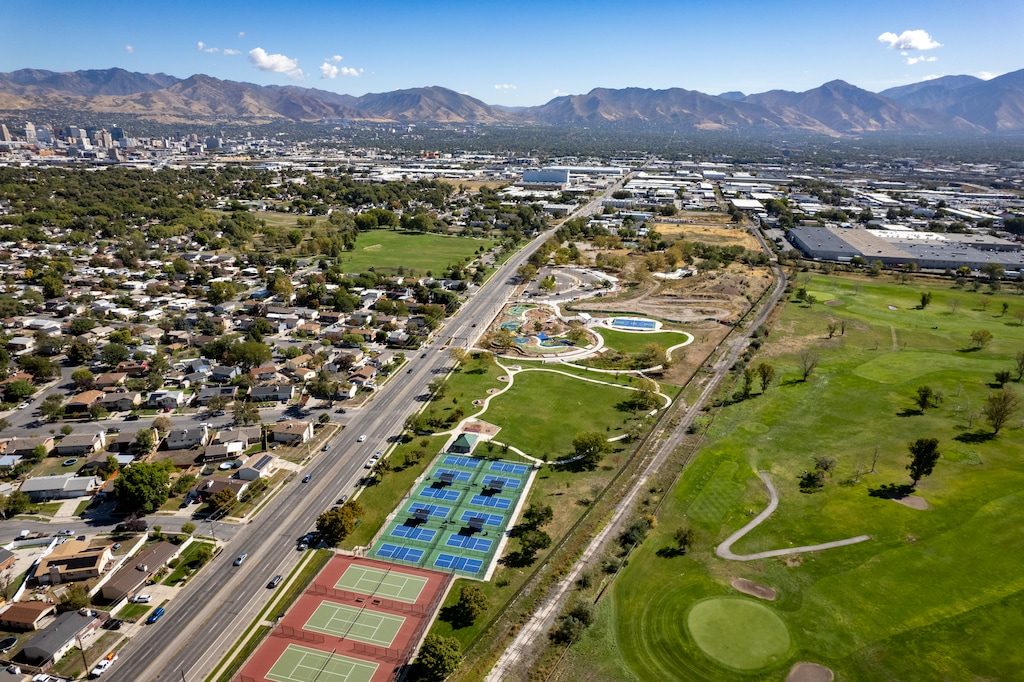
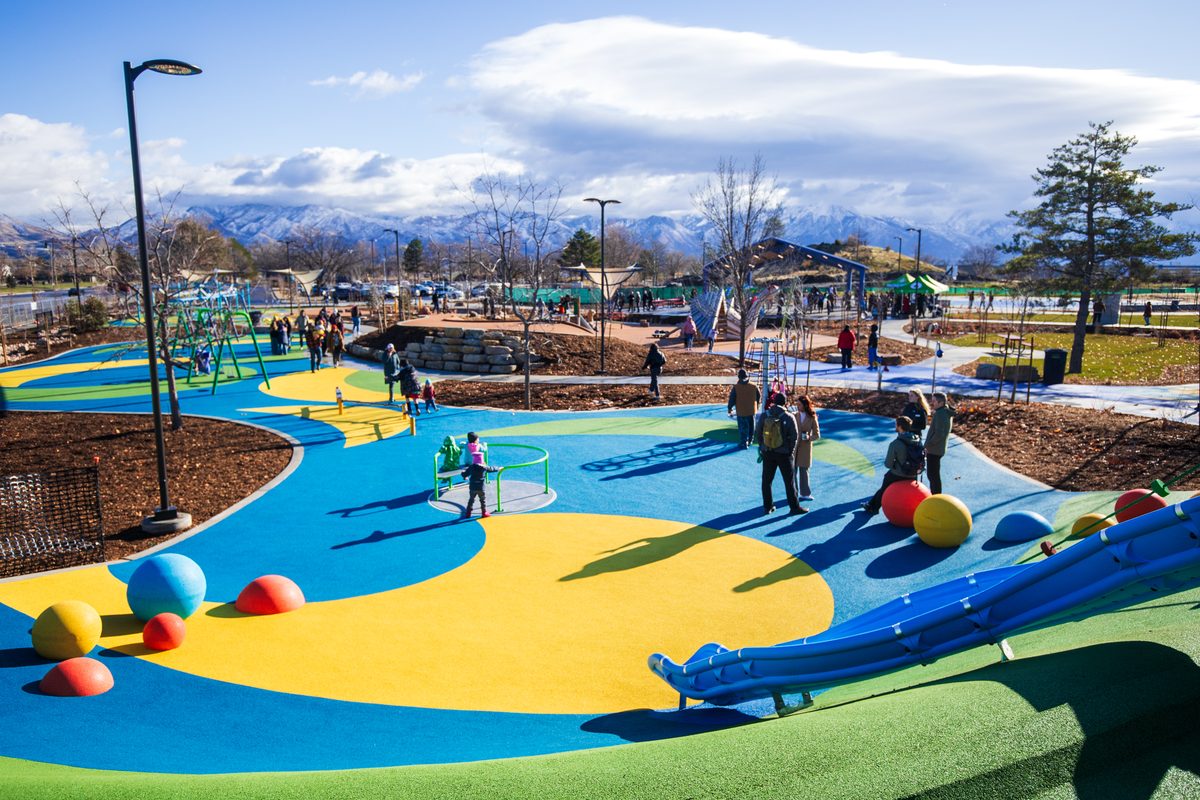
Salt Lake City Mayor Erin Mendenhall stood at her January 2024 State of the City address and promised an outdoor pool at the new Glendale Regional Park. Two years later, the pool is out of the plans.

The city blames cost and operating challenges, and says the county declined to run the facility. The cut lands hardest on a west side with no public outdoor pool of its own, and a nonprofit swim team whose swimmers are 80% Latino.

Why it matters

West-side Salt Lake City gets no public outdoor pool, leaving its mostly Latino neighborhoods without nearby summer swimming.

Salt Lake City, UT news by email

Openings, permits and council decisions in Salt Lake City, UT, in your inbox every Monday.

Questions about this story

Free account needed to ask — your question is kept and asked for you right after sign-up. Answers are public.

No questions yet — be the first to ask.

Key Indicators

0
Outdoor pools in final Glendale park plans
One pool was promised in January 2024; none is in the current next-phase design.
80%
Race Swami swimmers who are Latino
The west-side nonprofit swim team that planned to run lessons at the Glendale pool.
2
Public outdoor pools in Salt Lake City
Both sit east of Interstate 15; the west side has none.

Voices

Curated perspectives — historical figures and your fellow readers.

Ever wondered what historical figures would say about today's headlines?

Sign up to generate historical perspectives on this story.

People Involved

Organizations Involved

Timeline

October 2021 October 2026

5 events Latest: Today
Tap a bar to jump to that date
  1. Tribune reports the pool has been cut

    Today Reporting

    The Salt Lake Tribune reports the promised pool is out of the plans; city cites fiscal and operational challenges, and the county declined to operate it.

  2. City confirms pool is dropped from plans

    Confirmation

    Public Lands spokesperson Jana Cunningham says the pool is "currently not included" in next-phase designs, though the city website still lists it as of Thursday.

  3. State of the City celebrates Phase One opening

    Statement

    Mendenhall's 2026 address marks Glendale's Phase One opening and lists coming amenities — skating ribbon, boardwalks, skatepark — without mentioning a pool.

  4. Mayor promises a pool at Glendale park

    Statement

    In her January 2024 State of the City address, Mayor Erin Mendenhall vows the new park "will include a pool." (Exact day of the address is unreported.)

  5. Raging Waters waterpark demolition begins

    Construction

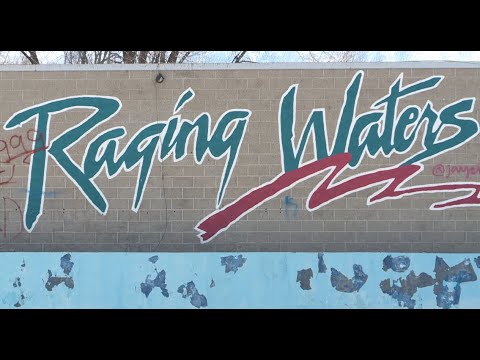
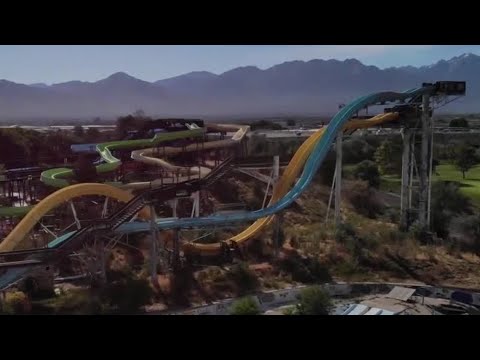
    Contractors begin disassembling the shuttered Raging Waters waterpark on the west side, clearing the site for Glendale Regional Park.

Scenarios

1

Pool Stays Cut as the Park Opens

Likely Resolves by End of 2028

Discussed by: Salt Lake Tribune reporting; city and county statements

Next-phase construction proceeds with the splash pad, skating ribbon, and other amenities, and the park opens around 2029 with no outdoor pool. The city follows through on its existing plan, treating the pool as deferred until a feasible operator or budget appears.

2

Advocacy Restores the Pool

Possible Resolves by Q2 2028

Discussed by: Race Swami team, west-side residents quoted in the Tribune

Pressure from the swim team and residents pushes the mayor or City Council to add the pool back, possibly with a different operating model — a nonprofit or private operator, or a revised county arrangement. The park was designed to accommodate a pool, which lowers the barrier to reinstating it.

3

County or Outside Operator Steps In Later

Unlikely Resolves by End of 2030

Discussed by: Salt Lake County Parks and Recreation statements

After the park opens, a revised county recreation plan or a nonprofit operator makes the pool feasible, and it is built in a later phase. This matches the city's stated position that the park is designed to accommodate a future pool if it becomes easier to build and operate.

Historical Context

2 moments from history that rhyme with this story — and how they unfolded.

1890s–1940s

Salt Lake City's west-side infrastructure neglect (1890s–1940s)

Open sewers and storm canals ran through the west side's Pioneer Park neighborhood, carrying human and animal waste into the Jordan River. The city installed its municipal sewer system, paving, and piped water in wealthier eastern areas and the commercial center first, leaving the diverse, industrial west side for last.

Then

West-side residents suffered disproportionately high rates of waterborne illness and used outhouses longer than residents elsewhere in the city.

Now

The west side developed a lasting reputation as the part of Salt Lake City that got civic resources late — a pattern residents still cite.

Why this matters now

The cut of the Glendale pool echoes a century of west-side residents watching promised infrastructure arrive later, or not at all.

1950s–1970s

America's municipal pool closures (1950s–1970s)

In the civil-rights era, many U.S. cities closed or restricted public pools rather than desegregate them, and budget shortfalls shuttered hundreds more. As historians such as Jeff Wiltse have documented, public swimming access became sharply unequal by race and income.

Then

Minority and low-income communities lost nearby places to swim, often permanently.

Now

A lasting "swimming gap" persists — children of color drown at higher rates and swim at lower rates than white children.

Why this matters now

The Glendale cut falls on a mostly Latino, low-income neighborhood, repeating a national pattern where pool access tracks race and income.

Sources

(3)