
Pull to refresh
Logo
Utah Capitol adds bronze sculptures fulfilling century-old art plan

Utah Capitol adds bronze sculptures fulfilling century-old art plan

Built World Salt Lake City, UT local

The Great Utahns sculptures by three Utah artists now fill the Rotunda niches

Yesterday: Great Utahns sculptures unveiled

Overview

Updated Yesterday

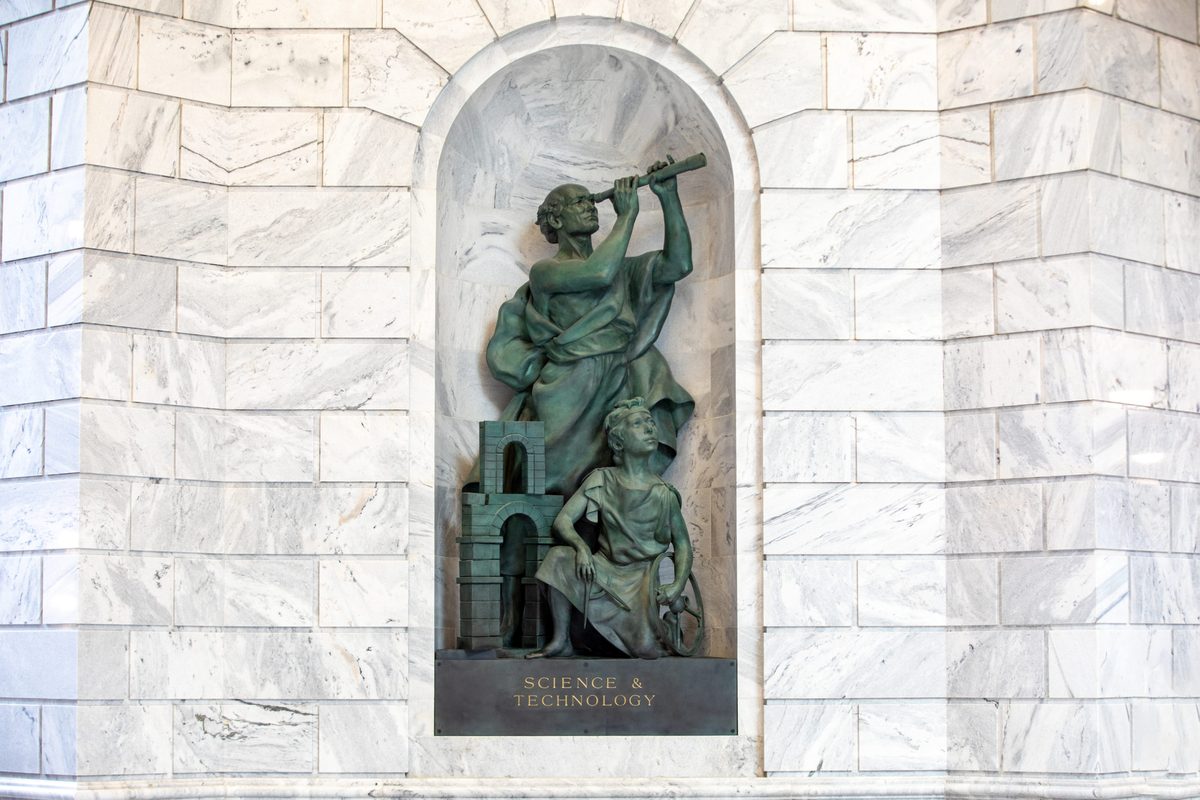
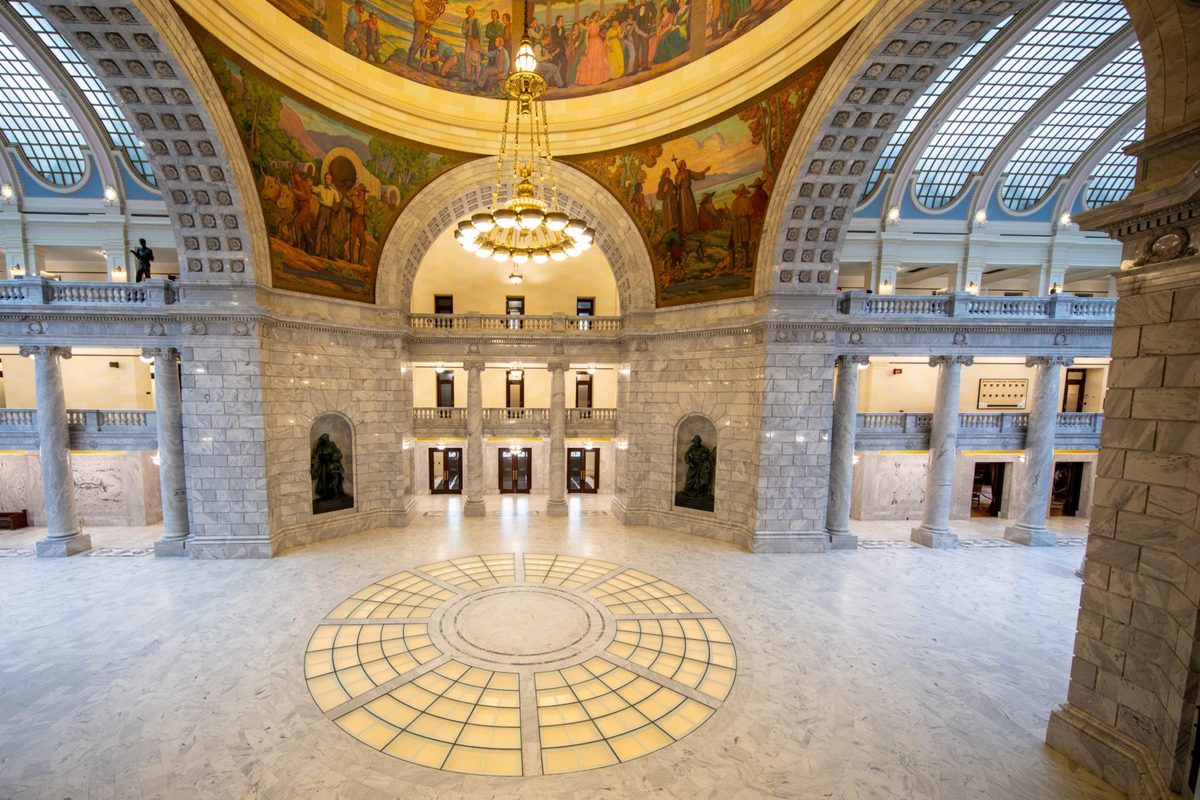
The Utah State Capitol's Rotunda now has four new 11-foot bronze sculptures, the first major art additions since the building's 2004-2008 restoration. The sculptures, collectively called "The Great Utahns," were created by Utah artists Eugene Daub, Robert Firmin, and Jonah Hendrickson.

The installation fulfills a recommendation from the original Capitol Commission of 1915-1916, which called for additional art in the building when budgets allowed. Each sculpture features an adult figure mentoring a youthful companion, representing literature, science and technology, immigration, and community stewardship.

Why it matters

Four new bronze sculptures complete a century-old artistic vision for Utah's Capitol Rotunda.

Questions about this story

Free account needed to ask — your question is kept and asked for you right after sign-up. Answers are public.

No questions yet — be the first to ask.

Key Indicators

4
New bronze sculptures installed
Four 11-foot sculptures now fill the Rotunda niches.
3
Utah artists who created the sculptures
Eugene Daub, Robert Firmin, and Jonah Hendrickson.
1915
Year of original art recommendation
The Capitol Commission first recommended additional art in 1915-1916.

Voices

Curated perspectives — historical figures and your fellow readers.

Ever wondered what historical figures would say about today's headlines?

Sign up to generate historical perspectives on this story.

People Involved

Organizations Involved

Timeline

January 1915 September 2026

4 events Latest: Yesterday
Tap a bar to jump to that date
  1. Great Utahns sculptures unveiled

    Latest Installation

    Four 11-foot bronze sculptures by Utah artists go on display in the Capitol Rotunda.

  2. Capitol restoration completed

    Restoration

    The restoration is completed, but the niche sculptures are not yet installed.

  3. Capitol restoration begins

    Restoration

    A four-year restoration project begins on the Utah State Capitol.

  4. Capitol Commission recommends additional art

    Recommendation

    The original Capitol Commission report calls for classical allegorical art in the building when budgets allow.

Scenarios

1

Great Utahns Draw Record Capitol Visitors

Likely Resolves by Sep 16, 2027

Discussed by: Utah Office of Tourism, Capitol tour guides

The sculptures become a draw for tourists and school groups, boosting Rotunda visitation. The Capitol's free tours feature the sculptures as a centerpiece, and the state promotes them in tourism materials.

2

Sculptures Spark Debate Over Capitol Art

Unlikely Resolves by Mar 16, 2027

Discussed by: Utah art critics, Deseret News, Salt Lake Tribune

Some groups object to the allegorical content, the "Founding Fathers" framing, or the artistic choices. A public debate emerges in Utah media over the sculptures' merit and meaning.

3

Installation Opens Door for More Capitol Art

Possible Resolves by Sep 16, 2028

Discussed by: Utah Capitol Preservation Board, arts advocates

The success of the installation leads to new art commissions for the Capitol. The Preservation Board announces additional projects, building on the momentum of the Great Utahns.

Historical Context

3 moments from history that rhyme with this story — and how they unfolded.

1864-present

U.S. Capitol Statuary Hall (1864-present)

Congress established the National Statuary Hall Collection, inviting each state to contribute two statues of notable citizens. The collection now has 100 statues, with states periodically replacing them.

Then

States began commissioning statues of their most notable citizens.

Now

The collection has become a key expression of American state identity in the nation's capital.

Why this matters now

Like Utah's niche sculptures, the Statuary Hall collection shows how states use public art to express their identity and values.

2004-2008

Utah Capitol Restoration (2004-2008)

A four-year, $260 million restoration preserved the historic Utah State Capitol, including seismic upgrades and restoration of the Rotunda.

Then

The building was restored to its original grandeur and prepared for future additions.

Now

The restoration made the current installation possible, with the niche sculptures as the first major art additions since.

Why this matters now

The restoration is the direct predecessor to the Great Utahns installation, which was planned as part of the building's long-term artistic development.

2024

Martha Hughes Cannon Statue (2024)

Utah gave a statue of Dr. Martha Hughes Cannon, the first woman elected to a state senate in the U.S., to the National Statuary Hall Collection at the U.S. Capitol.

Then

The statue was unveiled in 2024, representing Utah's commitment to honoring its notable citizens.

Now

The Cannon statue and the Great Utahns sculptures both reflect Utah's ongoing investment in public art that tells the state's story.

Why this matters now

Both projects show Utah's commitment to public art that celebrates the state's values and history.

Sources

(4)