

Pull to refresh
Logo
New Caulerpa patch found in San Diego Bay as Port renews seaweed emergency

New Caulerpa patch found in San Diego Bay as Port renews seaweed emergency

Built World San Diego, CA local

A 32-square-foot patch near Coronado Cays extends a three-year, $3.2 million containment campaign against an alga that can grow an inch a day.

Overview

Updated 2 hours ago

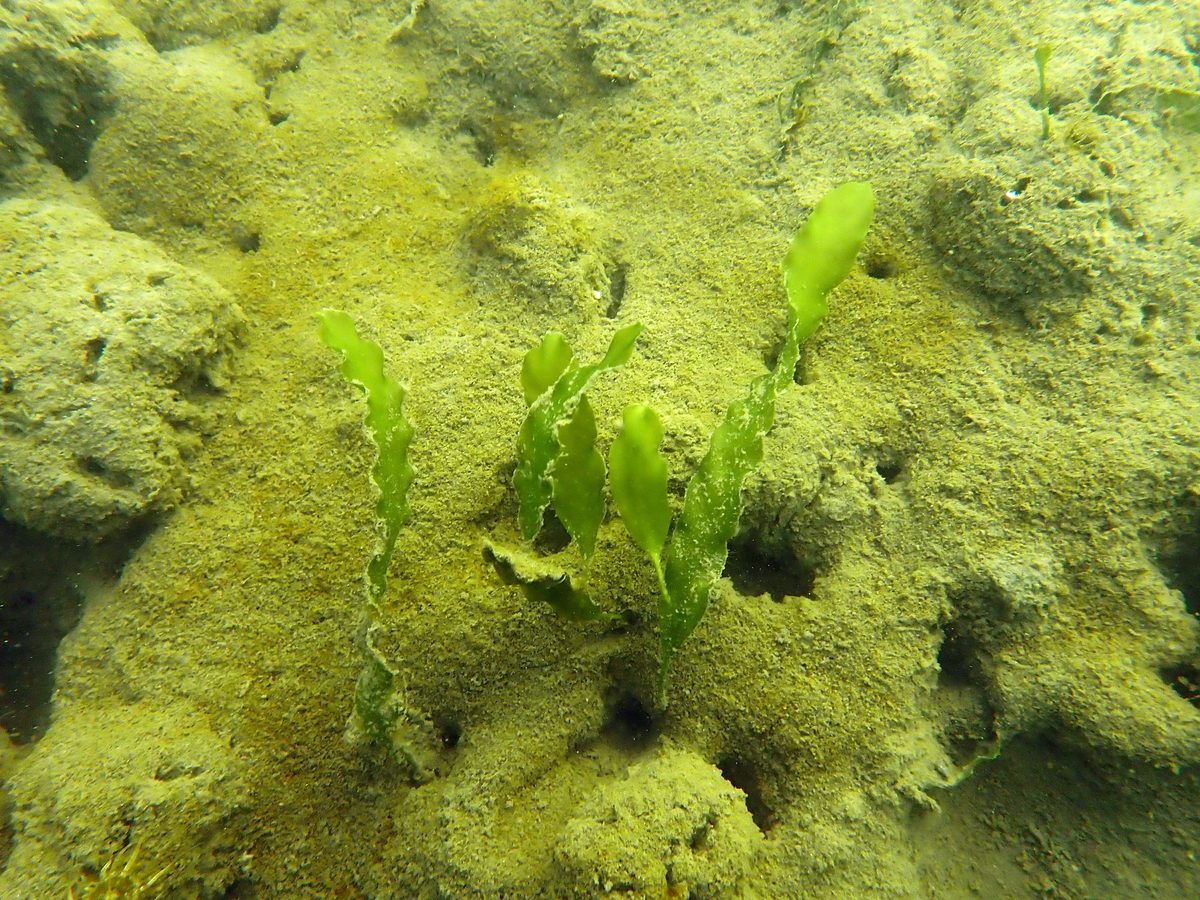
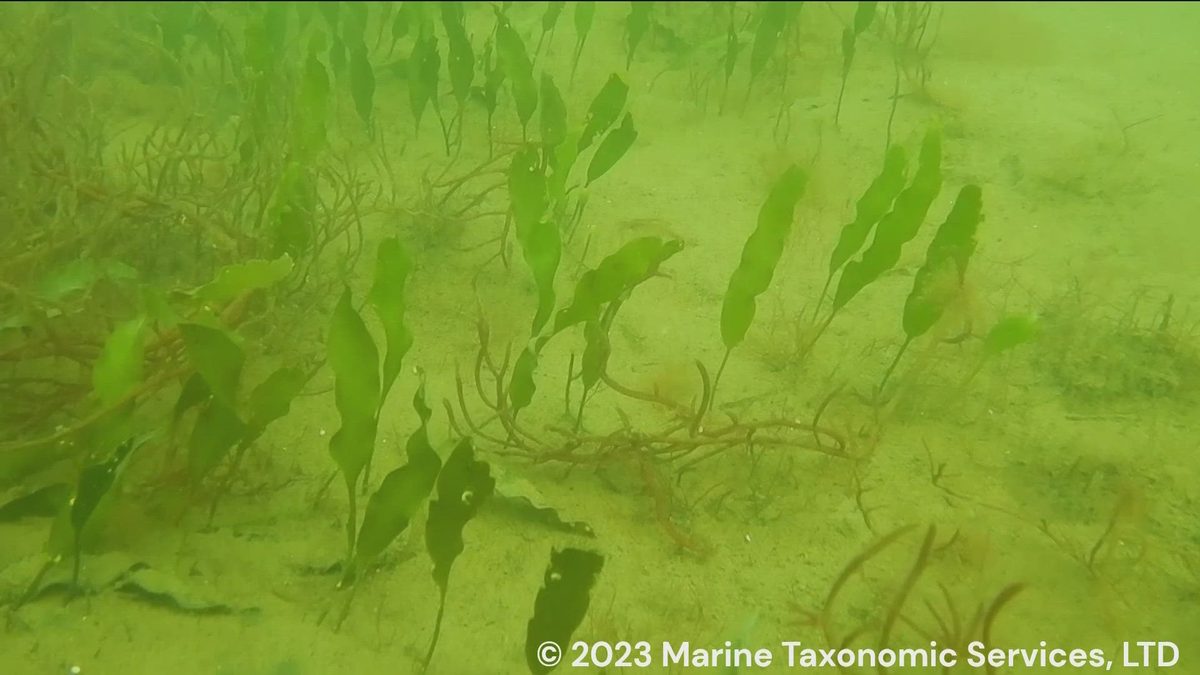
The Port of San Diego reported a new 32-square-foot patch of Caulerpa, a fast-spreading invasive alga, at the south channel entrance to the Coronado Cays. Its Board of Port Commissioners had renewed the Caulerpa emergency declaration three days earlier, at its November 17 meeting — the 26th renewal since 2023.

The declaration, first adopted November 14, 2023, keeps the Port eligible for the state and federal money that pays for dive surveys and tarp treatments. About 3.7 acres of the alga have been found in the bay since September 2023, and more than $3.2 million has been committed to containing it. Eradication requires two consecutive years of monitoring with no new finds.

Why it matters

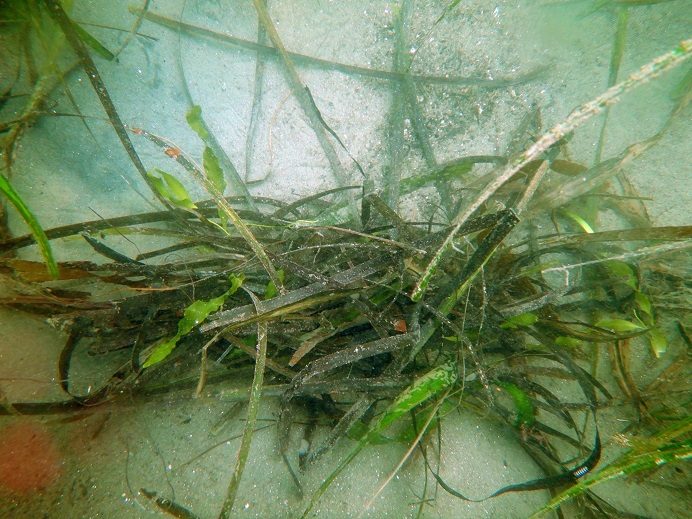
Caulerpa grows an inch a day and can smother the eelgrass that shelters San Diego Bay's green sea turtles and young fish.

Last Monday's email for San Diego, CA

Sent Nov 16. It carried:

Get next Monday's: one short email a week. Free. Unsubscribe in one click.

Questions about this story

Free account needed to ask — your question is kept and asked for you right after sign-up. Answers are public.

No questions yet — be the first to ask.

Key Indicators

32 sq ft
Size of the newly found patch
Found near the south channel entrance to the Coronado Cays during a survey of a previously uninspected area.
3.7 acres
Total Caulerpa identified in the bay
Cumulative footprint found since the first detection in September 2023.
$3.2M
Committed to survey and treatment
Drawn from local, state and federal sources since 2023.
26
Emergency declaration renewals
The Board of Port Commissioners renewed the declaration at its November 17, 2026 meeting.
2,600 acres
Eelgrass in San Diego Bay
The habitat the containment effort is meant to protect, including about 1,900 acres in South Bay.
2 years
Clean monitoring required to declare eradication
Two consecutive years with no new detections, under established eradication protocols.

Voices

Curated perspectives — historical figures and your fellow readers.

Sign up to generate historical perspectives on this story.

Organizations Involved

Timeline

September 2023 November 2026

5 events Latest: Today
Tap a bar to jump to that date
  1. New 32-square-foot patch announced

    Today Discovery

    Divers found the alga at the south channel entrance to the Coronado Cays, in a previously uninspected area.

  2. Emergency declaration renewed a 26th time

    Policy

    Commissioners voted to keep the declaration in force, preserving eligibility for state and federal money.

  3. California's Caulerpa ban takes effect

    Regulation

    Assembly Bill 655 made it illegal to possess, sell or transport any Caulerpa species statewide.

  4. Port declares local emergency

    Policy

    The Board of Port Commissioners adopted the emergency declaration, opening the way to outside funding.

  5. Caulerpa found near Coronado Cays

    Discovery

    A routine dive survey tied to a dock replacement project turned up the invasive alga in San Diego Bay.

Scenarios

1

Port renews the Caulerpa emergency declaration a 27th time

Likely Resolves by Nov 30, 2027

Discussed by: Port of San Diego eradication protocols and the pattern of renewals since 2023

The declaration has been renewed at nearly every opportunity since November 2023, and divers are still finding patches. If surveys near the Coronado Cays turn up additional growth, the Board of Port Commissioners is likely to renew again to keep funding eligibility open.

2

Divers find Caulerpa outside Port and Refuge jurisdiction

Possible Resolves by Nov 20, 2027

Discussed by: Southern California Caulerpa Action Team and Port monitoring staff

The new patch was found in a stretch of bay that monitoring had never covered, which suggests the surveyed area is not the full extent of the infestation. A detection outside the Port of San Diego and San Diego Bay National Wildlife Refuge jurisdictions would pull additional agencies into the response and complicate who pays for treatment.

3

Port declares Caulerpa eradicated from San Diego Bay

Unlikely Resolves by End of 2029

Discussed by: Port of San Diego and the Southern California Caulerpa Action Team, under the two-year clean-monitoring rule

Eradication protocols require two consecutive years of monitoring with no new discoveries. The 2023 outbreak has now produced finds in three consecutive years, so the clock restarts with each patch. A declaration would require the tarps to hold and the surveys to come back clean through 2028 and 2029.

Historical Context

2 moments from history that rhyme with this story — and how they unfolded.

2000–2006

Agua Hedionda Lagoon and Huntington Harbour Caulerpa eradications (2000s)

A related species, Caulerpa taxifolia, was detected in 2000 in Agua Hedionda Lagoon in Carlsbad and in Huntington Harbour in Orange County. Agencies treated both infestations with the same opaque tarps the Port now uses in San Diego Bay, which smother the alga by cutting off sunlight, oxygen and water flow.

Then

Both infestations were eradicated. The effort took six years and cost more than $7 million.

Now

The tarp method became the standard treatment for Caulerpa in California, and the eradications showed that a marine alga outbreak can be reversed.

Why this matters now

It is the working proof that a California Caulerpa outbreak can be erased, and a rough benchmark for how long and how much money that takes.

January 2024

California bans all Caulerpa species (2024)

Assembly Bill 655 made it illegal to possess, sell, transport or release any Caulerpa species in California as of January 1, 2024. The City of San Diego already banned the alga within city limits, and the interagency team asked online retailers to block shipments to California addresses.

Then

Some stores still sold the alga and buyers still had it shipped in, according to surveys by the San Diego Coastkeeper.

Now

The ban gives regulators a tool against sellers, but it does not close the aquarium-release pathway that most likely started the San Diego Bay outbreak.

Why this matters now

The Port says the most likely origin of the infestation is someone emptying a home aquarium into the bay, which the ban was written to prevent.

Sources

(4)