
Pull to refresh
Logo
California funds Pacific Surfliner study as coastal tracks keep washing out

California funds Pacific Surfliner study as coastal tracks keep washing out

Built World Los Angeles, CA local

A $1 million state grant will update a 2022 corridor plan for the busiest state-supported intercity rail line in the U.S.

Overview

Updated 52 minutes ago

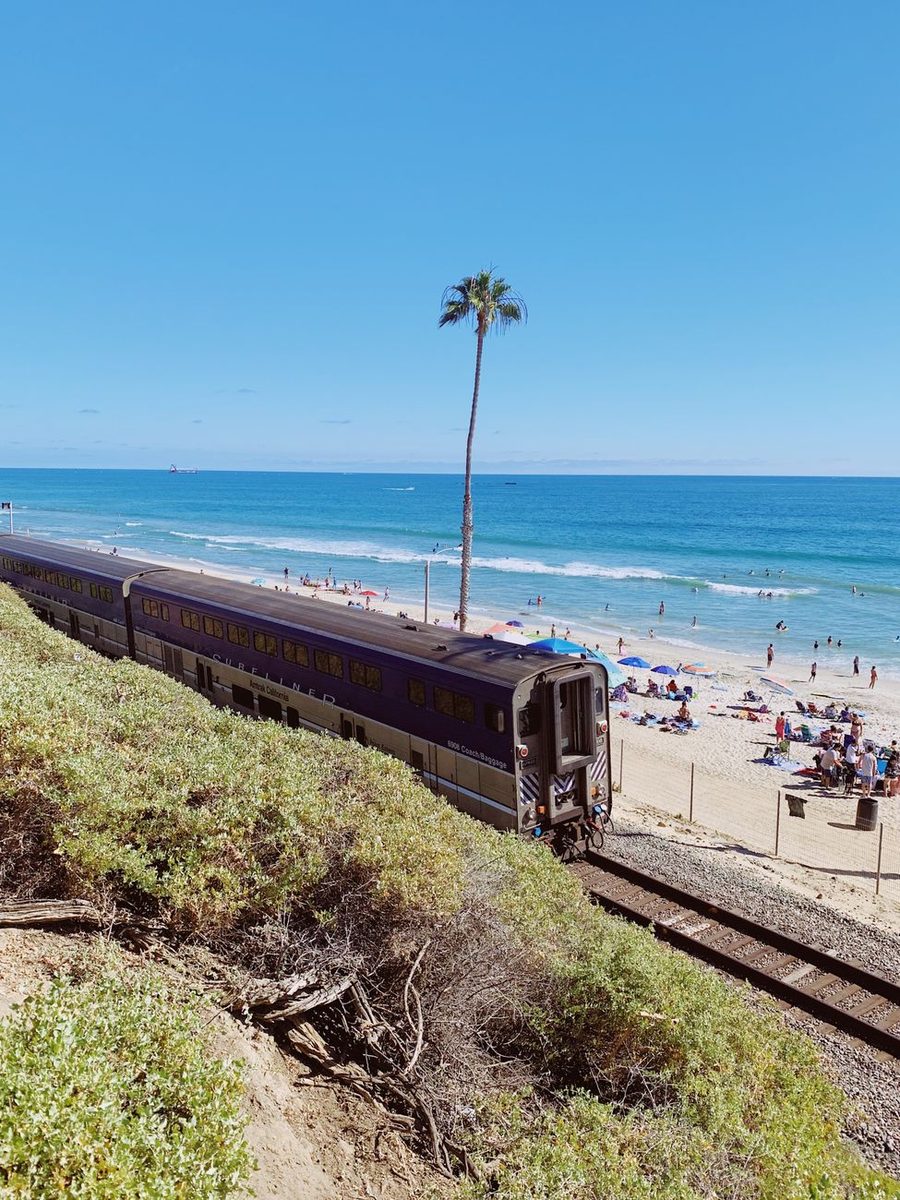
The Pacific Surfliner carried more than 600,000 passengers in the first three months of 2026, up 38% from a year earlier. Over the same period, 81.6% of its trains arrived within 15 minutes of schedule, against an agency target of 90%.

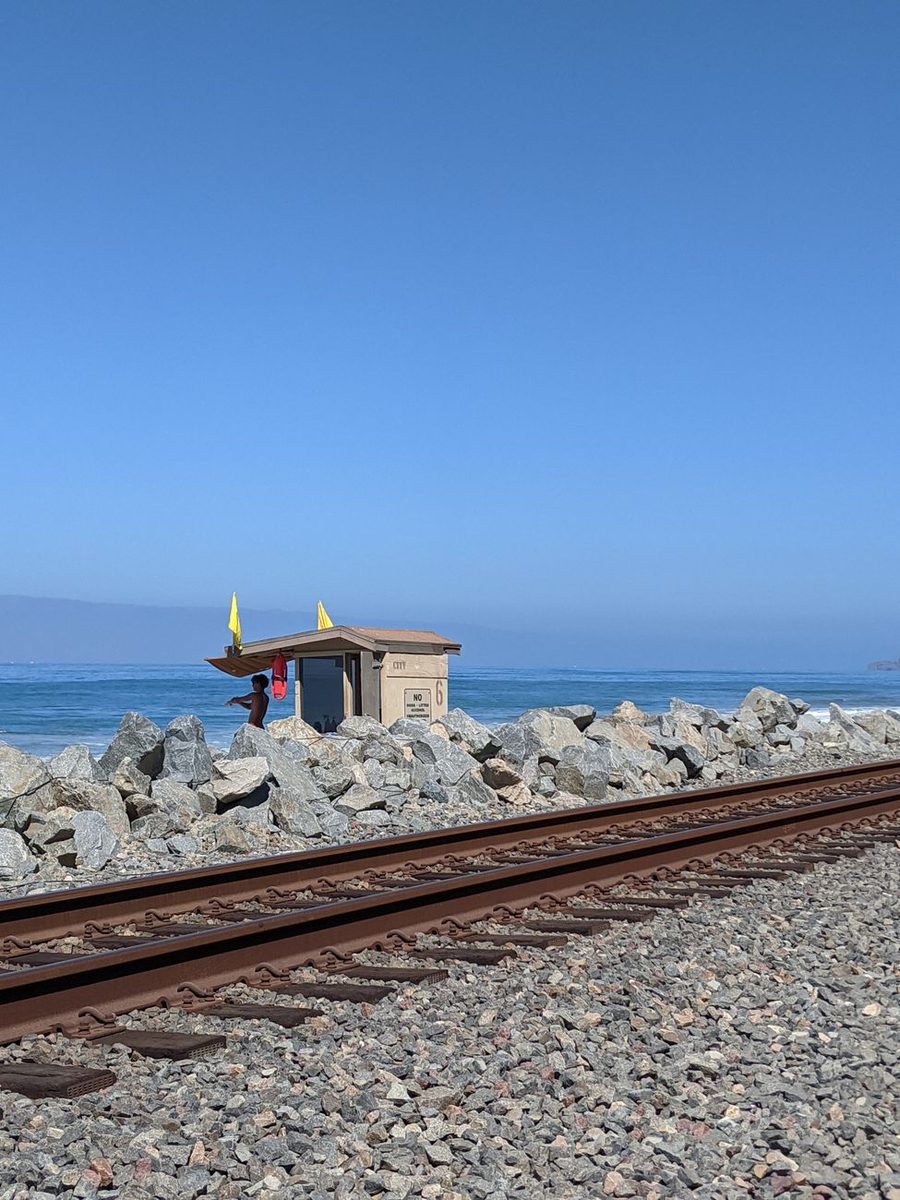
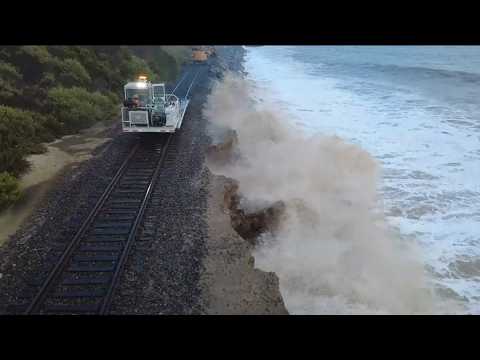
On November 5, the California State Transportation Agency awarded the LOSSAN Rail Corridor Agency $1 million to update a 2022 study of how passenger and freight trains share the 351-mile route. The update will examine schedules, connections and track constraints. It will not address the coastal erosion that has repeatedly closed the line near San Clemente.

Why it matters

The busiest state-supported intercity rail line in the U.S. runs on tracks that keep sliding into the Pacific. This grant funds planning, not fixes.

Last Monday's email for Los Angeles, CA

Sent Nov 9. It carried:

Get next Monday's: one short email a week. Free. Unsubscribe in one click.

Questions about this story

Free account needed to ask — your question is kept and asked for you right after sign-up. Answers are public.

No questions yet — be the first to ask.

Key Indicators

$1M
State grant for the study update
Awarded through CalSTA's Flexible State Rail Assistance Program.
81.6%
On-time performance, Q1 2026
Share of trains arriving within 15 minutes of schedule, against a 90% goal.
38%
Ridership growth, Q1 2026
Increase in passenger trips compared with the same period a year earlier.
600,000+
Passenger trips, Q1 2026
Ridership on the route during the first three months of 2026.
29
Stations served
Across San Diego, Orange, Los Angeles, Ventura, Santa Barbara and San Luis Obispo counties.

Voices

Curated perspectives — historical figures and your fellow readers.

Sign up to generate historical perspectives on this story.

People Involved

Organizations Involved

Timeline

2022 November 2026

8 events Latest: Today
Tap a bar to jump to that date
  1. LOSSAN announces the award

    Today Statement

    The agency says the update will cover schedules, constraints and 2028 Olympics demand.

  2. State awards $1 million for study update

    Funding

    CalSTA grants the money through its Flexible State Rail Assistance Program.

  3. Coastal regulators approve a seawall

    Regulation

    State coastal regulators clear construction along a section south of San Clemente State Beach.

  4. Metrolink suspends Oceanside service

    Disruption

    A five-day precautionary shutdown tied to high tides also affects shared tracks.

  5. Surf and tides damage the line

    Disruption

    Passengers take replacement buses between Irvine and Oceanside for several days.

  6. Mariposa Point slide suspends service

    Disruption

    A landslide near San Clemente halts regular passenger service for roughly two months.

  7. Landslides close San Clemente tracks

    Disruption

    Two landslides shut the coastal line for weeks at a time.

  8. Original corridor study completed

    Planning

    LOSSAN finishes a Corridor Optimization Study on how passenger and freight trains share the route.

Scenarios

1

LOSSAN board adopts an updated corridor study

Likely Resolves by Q2 2028

Discussed by: LOSSAN staff, who said they will bring the item to the board

Staff must first ask the agency's Board of Directors to authorize the study, then set scope and schedule with CalSTA and rail partners. If the board approves and the work proceeds, the update would land sometime after 2027 and inform later investment decisions. The grant pays for planning only; any project it identifies would need separate approval and funding.

2

Seawall construction begins south of San Clemente State Beach

Possible Resolves by Jan 31, 2028

Discussed by: State coastal regulators, who approved construction in November 2026

Regulators cleared a seawall along a stretch of the eroding San Clemente coastline. Approval is not construction: the project still needs to be built, and the study does not cover it. If crews break ground, it would be the first physical defense against the slides that have closed the line repeatedly since 2023.

3

Pacific Surfliner hits its 90% on-time target

Unlikely Resolves by Q1 2028

Discussed by: LOSSAN and Amtrak performance reporting

The route has missed its reliability goal even as ridership climbed. Officials have pointed to signal failures, speed restrictions and interference from other trains sharing the tracks. Better schedule coordination could narrow the gap, but the coastal closures are outside the study's scope, so a full quarter at 90% would require the track to stay open.

Historical Context

2 moments from history that rhyme with this story — and how they unfolded.

October 2012

Superstorm Sandy and the Northeast Corridor (2012)

Sandy pushed seawater into Amtrak's Hudson River and East River tunnels in New York, damaging signal and power systems and shutting the busiest passenger rail segment in the country. Repairs took weeks; the underlying vulnerability took years to address.

Then

Amtrak restored service quickly but ran on damaged infrastructure for years afterward.

Now

The storm turned coastal rail resilience into a planning priority, producing reports and proposals that moved far more slowly than the water did.

Why this matters now

Both cases involve saltwater damaging a heavily used coastal rail line, and both produced studies before construction.

1982-2007

Boston's Big Dig (1982-2007)

Boston spent years studying how to bury its elevated Central Artery before construction began in 1991. The project opened fully in 2007, roughly 25 years after planning started, at a cost far above early estimates.

Then

Decades of design, litigation and funding fights preceded any visible construction.

Now

The project became the standard cautionary tale about the gap between a transportation study and a finished piece of infrastructure.

Why this matters now

The Pacific Surfliner update is a planning document. The Big Dig shows how long the distance from study to shovel can be.

Sources

(4)