
Pull to refresh
Logo
Port of San Diego pauses commercial vending permits for 2027

Port of San Diego pauses commercial vending permits for 2027

Rule Changes San Diego, CA local

A 6-1 board vote ends a four-year lottery that gave 33 vendors a spot on the bayfront; staff reconsiders the program in spring 2027

Overview

Updated 1 hour ago

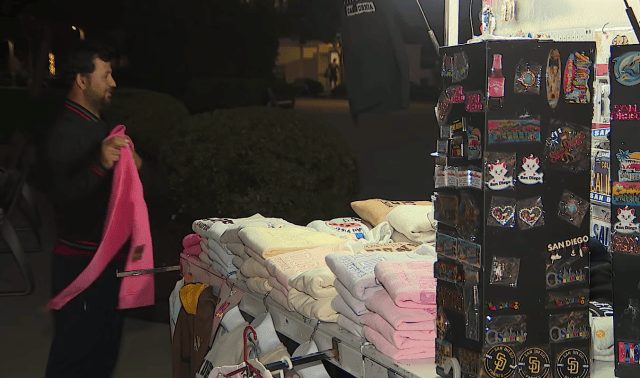
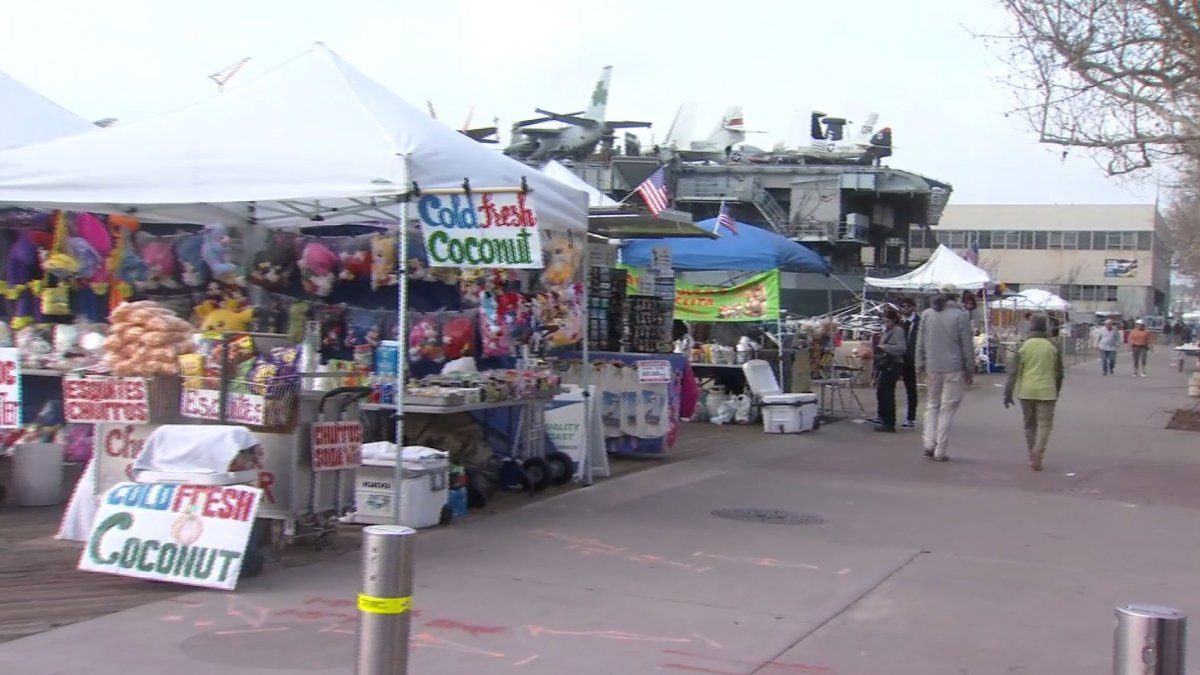
On Jan. 1, the pop-up tents along San Diego's Embarcadero come down. The Board of Port Commissioners voted 6-1 on Nov. 17 to stop issuing commercial vending permits for 2027, ending a lottery that had given 33 licensed sellers a designated spot on the bayfront since 2023.

The vote followed two months of testimony from Seaport Village tenants who pay rent for storefronts a few feet from vendors selling similar goods under a $35 annual permit. The board called it a pause rather than an end: agency staff will spend several months evaluating the program and report back at a board meeting targeted for spring 2027. The port received 470 qualified applications for the 2027 cycle, and the $35 processing fees are being refunded.

Why it matters

A $35 lottery permit and an $80,000-a-month lease sit feet apart on the same public waterfront. The port picked one.

Last Monday's email for San Diego, CA

Sent Nov 16. It carried:

Get next Monday's: one short email a week. Free. Unsubscribe in one click.

Questions about this story

Free account needed to ask — your question is kept and asked for you right after sign-up. Answers are public.

No questions yet — be the first to ask.

Key Indicators

33
Commercial vending permits in 2026
The permits issued for the current cycle, each tied to an assigned space for one year.
470
Qualified applications for 2027
Applicants who cleared the requirements before the board froze the cycle.
$35
Annual permit fee
The processing fee each applicant pays; refunds are expected by the end of 2026.
$80K
Monthly rent cited by one tenant
Combined rent for five Seaport Village shops, as described by tenant Omar Farah.
6-1
Board vote to hold 2027 permits
Commissioner Danielle Moore was the lone dissenter, favoring a short extension.

Voices

Curated perspectives — historical figures and your fellow readers.

Sign up to generate historical perspectives on this story.

People Involved

Organizations Involved

Timeline

February 2023 November 2026

4 events Latest: Yesterday
Tap a bar to jump to that date
  1. Vendors say they have no next step

    Latest Statement

    Permit holders holding the 33 expiring spots said they had invested in carts and merchandise with no renewal path.

  2. Board votes 6-1 to withhold all 2027 permits

    Decision

    Commissioners directed staff not to issue commercial vending permits for the 2027 cycle and cancelled the opportunity drawing.

  3. Board hears vendor complaints, orders more outreach

    Hearing

    After 25 public speakers raised concerns, commissioners told staff to gather more stakeholder input before issuing 2027 permits.

  4. Port creates the commercial vending permit system

    Policy

    Commissioners approved regulations meant to replace unregulated bayfront selling with designated spaces, a $35 fee and a lottery.

Scenarios

1

Board approves a revised vending program and reopens permits in 2027

Possible Resolves by End of 2027

Discussed by: Port staff, whose stated plan is to bring a program evaluation to the board at a spring 2027 meeting, with permits possibly issued later in the year

Staff finishes its evaluation and recommends a narrower program: fewer spaces, shifted locations, or new rules aimed at separating vendors from storefronts. The board adopts it and issues permits for the remainder of 2027. Commissioner Danielle Moore's push for a short extension is the closest thing to a blueprint already on the record.

2

Board ends commercial vending on port tidelands permanently

Possible Resolves by End of 2027

Discussed by: Seaport Village tenants and their representatives, who asked commissioners to stop the program, and Commissioner Dan Malcolm's remarks on competitive disadvantage

The evaluation concludes the permit system cannot be reconciled with leased storefronts, and the board declines to restart it. Expressive vending, which requires no permit under District Code Section 8.05, continues in designated spaces. Commercial sellers lose the bayfront entirely and the port loses the permit program as a small-business entry point.

3

Review slips and the bayfront stays vendor-free with no decision

Uncertain Resolves by End of 2027

Discussed by: No party has predicted this outcome; it follows from the open-ended 'until further Board action' language in the port's own notice

The staff evaluation takes longer than the spring target, or the board defers action, and the pause outlasts 2027 without a formal vote either way. Permits expire, applicants get refunds, and the question stays unresolved. The port's notice leaves this path open by design: permits are on hold 'until further Board action is taken.'

Historical Context

2 moments from history that rhyme with this story — and how they unfolded.

1962

San Diego Unified Port District Act (1962)

California created the San Diego Unified Port District and put the bayfront tidelands under a single agency operating under the public trust doctrine and, later, the California Coastal Act. That transferred control of who may use the waterfront, and on what terms, to a seven-member appointed board rather than the city council.

Then

A single agency took over leasing, land use and public access rules across 34 miles of coastline.

Now

Vending, leasing and access disputes on the bayfront run through the port's own code and board, not City Hall.

Why this matters now

It explains why the kiosk decision came from a port commission vote in a boardroom, not from a San Diego city ordinance.

February 2023

Creation of the commercial vending program (2023)

Port commissioners approved vending regulations meant to replace what the Union-Tribune described as chaos on the waterfront. The rules created designated spaces, a $35 annual permit awarded by lottery, and enforcement by Harbor Police community service officers.

Then

Vendors were spread across designated spots on the Embarcadero, at Harbor Park in Chula Vista and at Tidelands Park in Coronado.

Now

The system drew 470 qualified applicants for 2027, and the density of permitted spaces near Seaport Village produced the tenant complaints that ended the cycle.

Why this matters now

The pause is a reversal of the port's own four-year-old effort to organize bayfront selling, which makes the spring 2027 review a decision about whether to fix the program or abandon it.

Sources

(3)