
Pull to refresh
Logo
San Francisco clinic tests same-day addiction treatment for people who use fentanyl

San Francisco clinic tests same-day addiction treatment for people who use fentanyl

Rule Changes San Francisco, CA local

A SoMa pilot lets patients start medication the day they ask. Retention is the test.

Overview

Updated 6 hours ago

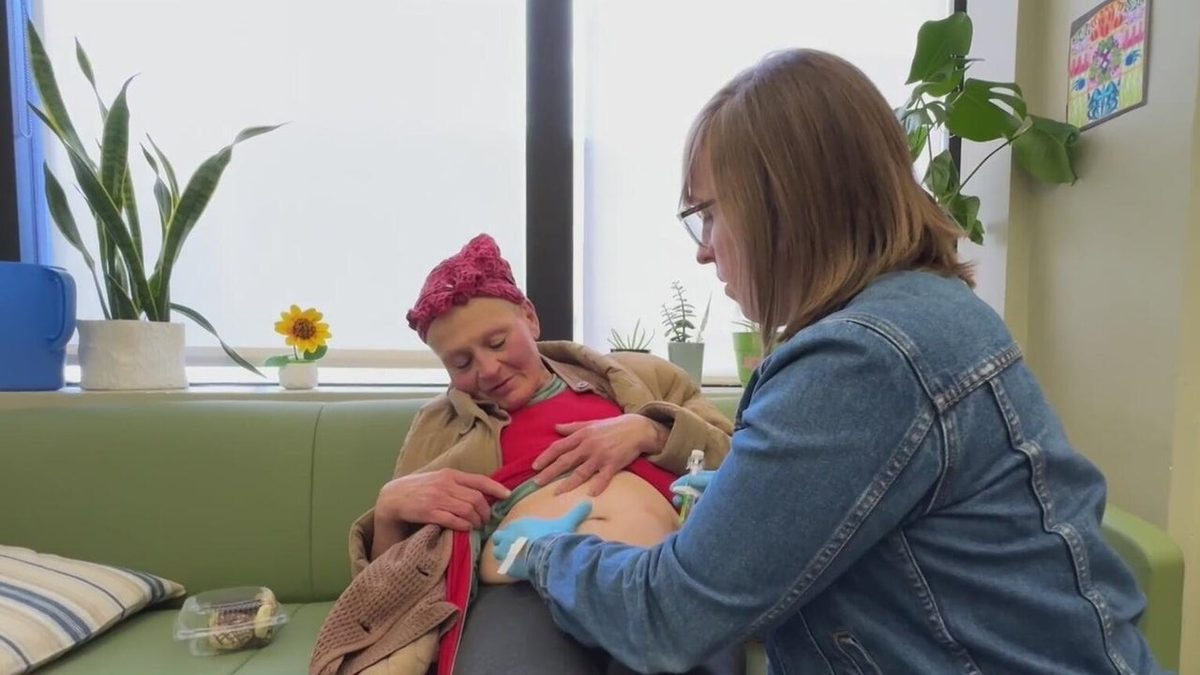
At a clinic in San Francisco’s SoMa neighborhood, a patient who asks for help with fentanyl addiction can start medication the same day. Sometimes they can start while still using fentanyl, according to Mission Local. That removes two common barriers: waiting for withdrawal and proving abstinence.

The pilot tests whether prescribing without those barriers can pull more people into care. Starting is easier than staying. A 2016-17 San Francisco program that also lowered barriers kept 37% of patients on buprenorphine at one month and 18% at 12 months.

Why it matters

If same-day treatment keeps even a small share more people in care, it could change how cities respond to fentanyl addiction.

Last Monday's email for San Francisco, CA

Sent Nov 16. It carried:

Get next Monday's: one short email a week. Free. Unsubscribe in one click.

Questions about this story

Free account needed to ask — your question is kept and asked for you right after sign-up. Answers are public.

No questions yet — be the first to ask.

Key Indicators

1 day
Time from request to treatment start
Patients at the SoMa clinic can begin medication the same day they ask.
37%
Retained on buprenorphine at 1 month in a 2016-17 SF pilot
A prior low-barrier program in San Francisco kept about a third of patients on medication after one month.
18%
Retained on buprenorphine at 12 months in that pilot
Long-term retention fell sharply in the earlier program, highlighting the challenge the new pilot faces.

Voices

Curated perspectives — historical figures and your fellow readers.

Sign up to generate historical perspectives on this story.

Organizations Involved

Timeline

November 2016 November 2026

3 events Latest: Today
  1. SoMa clinic opens same-day fentanyl treatment pilot

    Today Pilot launch

    Mission Local reports patients can start addiction treatment the day they ask, sometimes while using fentanyl.

  2. Study finds 37% retained on buprenorphine at one month

    Research

    The published results show 18% were still on buprenorphine at 12 months.

  3. San Francisco Street Medicine launches low-barrier pilot

    Program launch

    The team begins prescribing buprenorphine to homeless people who inject heroin without requiring abstinence.

Scenarios

1

Pilot shows retention gains and expands to more clinics

Possible Resolves by Q2 2027

Discussed by: Mission Local, which frames retention as the central question

If the SoMa clinic reports that a meaningful share of patients remain in treatment after one to three months, the city could use the model to open similar same-day starts at other clinics. The trigger is a published retention figure that beats the 37% one-month benchmark from the 2016-17 Street Medicine pilot.

2

Retention lags, pilot narrows to a small high-risk group

Possible Resolves by Q1 2027

Discussed by: The 2016-17 Street Medicine study, which found 18% retention at 12 months

If most patients stop coming after the first prescription, the clinic may keep same-day starts but limit them to patients who are already connected to housing or case management. The trigger is a reported retention rate below 20% at three months.

3

Pilot ends without published retention data

Unlikely Resolves by End of 2027

Discussed by: Mission Local’s report, which notes the pilot’s outcome is still open

If the clinic does not release follow-up numbers, the pilot may remain a local experiment with no clear answer. The trigger is the absence of any retention report by the end of 2027.

Historical Context

2 moments from history that rhyme with this story — and how they unfolded.

November 2016 – October 2017

San Francisco Street Medicine low-barrier buprenorphine pilot (2016-2017)

The San Francisco Street Medicine Team began prescribing buprenorphine to homeless people who injected heroin without requiring abstinence. The program enrolled 95 people; 63% stayed in care at one month and 37% were still on buprenorphine.

Then

The study found intermittent treatment was common, with 18% still on buprenorphine at 12 months.

Now

It showed low-barrier prescribing could engage people who were otherwise out of care, but retention remained the central challenge.

Why this matters now

The new SoMa pilot uses a similar low-barrier approach, and the old numbers set the benchmark for judging whether it works.

2018-2023

California Bridge Program (2018-2023)

California started funding hospital emergency departments to offer medication for addiction treatment on demand. It grew from 52 hospitals to 276 emergency departments, with navigators helping patients connect to follow-up care.

Then

A study at Highland Hospital in Oakland found patients seen by a navigator were three times more likely to be in follow-up treatment after 30 days.

Now

The program made low-barrier medication starts a standard part of emergency care, but it depended on navigators and follow-up capacity.

Why this matters now

The SoMa clinic pilot borrows the same low-barrier principle but tests it in an outpatient clinic, where retention depends on ongoing visits.

Sources

(3)