Anchor

Longtime residents are opening shops and restaurants in Cole Valley, drawing customers from across the city
3 days ago: SF Standard reports on Cole Valley revivalNew here? Follow stories to track developments over time. Create a free account to get updates when stories you care about change.
Overview
Updated 1 hour agoA line of customers snakes down the block outside Double Black, a coffee shop that opened this summer on San Francisco's four-square-block Cole Valley strip. Across the street, kids wait at the ice cream window at Cole Valley Tavern. The city's smallest neighborhood is having a retail moment.
The twist: the shopkeepers are mostly residents. Jim Angelus, who has lived nearby since 2009, owns the tavern. Two friends who started an outdoor brand in their garage opened the coffee shop. A chef from the neighborhood is moving his pasta restaurant into a former Peet's Coffee. Of the roughly dozen storefronts on the one-and-a-half-block commercial corridor, several have changed hands since 2024, and most newcomers aim to pull customers from all over the city.
Why it matters
Cole Valley's revival tests whether resident-led shops can grow a neighborhood's draw without erasing the village feel that made it distinct.
Questions about this story
Free account needed to ask — your question is kept and asked for you right after sign-up. Answers are public.
No questions yet — be the first to ask.
Key Indicators
1.5
Blocks of Cole Street commercial corridor
Holds nearly a dozen eateries, two coffee shops, a hardware store, and more.
40–50%
Simple SF annual sales growth
Zero-waste store owner says many customers now come from outside the neighborhood.
3
Announced storefront openings
Pasta Supply Co, a sushi concept from Jiro Lin, and antique store Schatzgarten.
2
Legacy businesses at 50 years
Say Cheese deli and Finnegans Wake pub both opened in 1976 and still operate.
Related Media
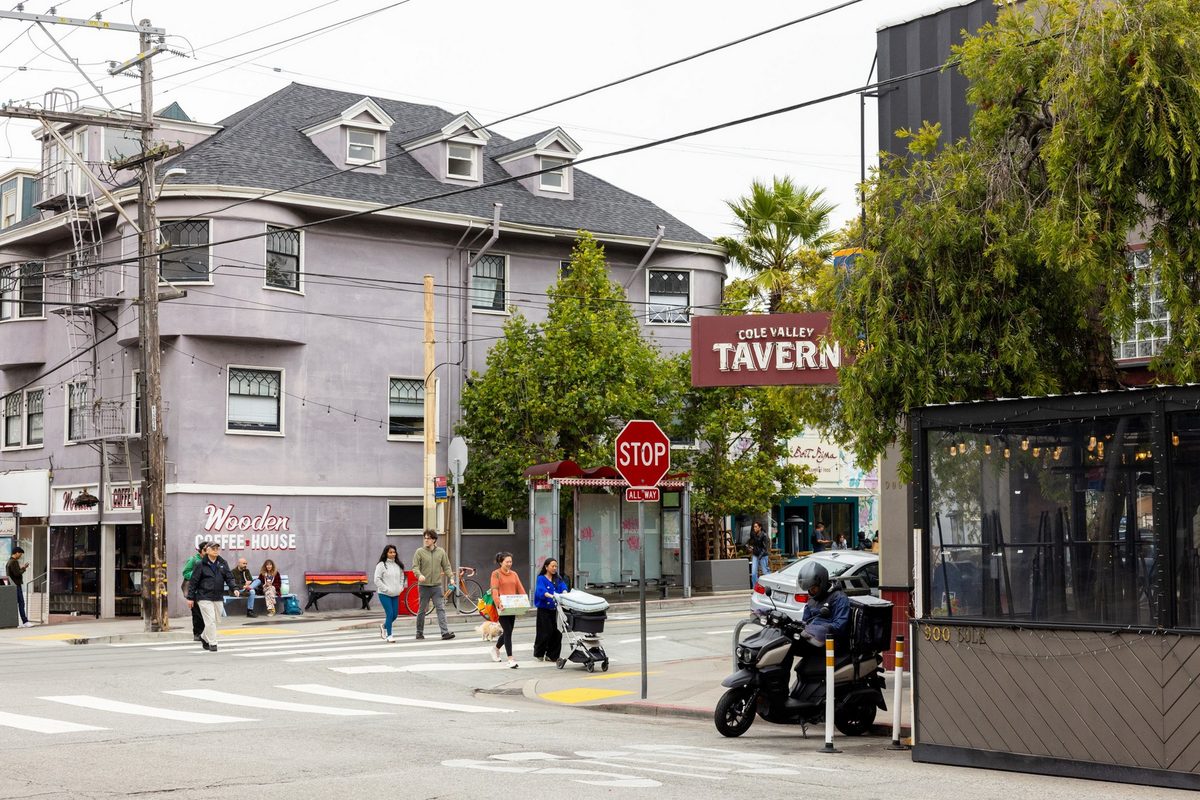
San Francisco's smallest neighborhood is suddenly one of its hottest | The San Francisco Standard
400 Jim Angelus - Cole Valley Tavern and Bacon Bacon — Right at the Fork
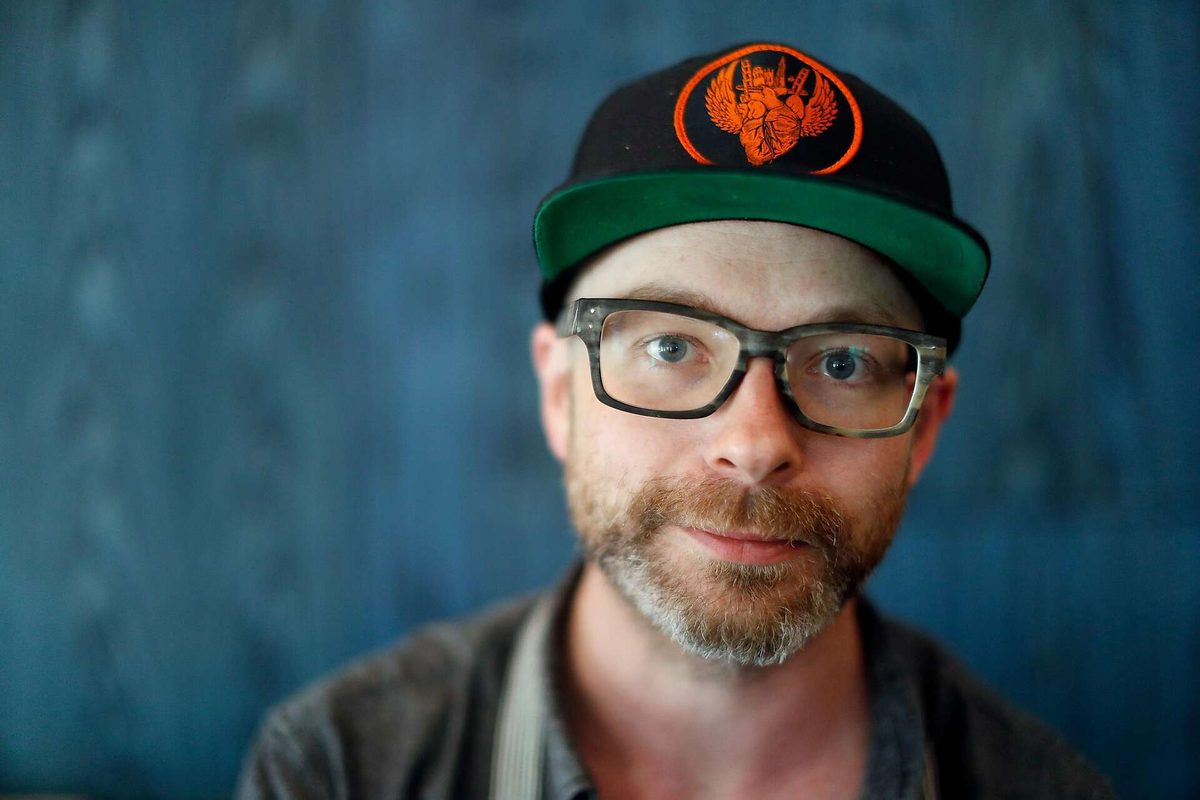
From restaurant to grocery: Chef Anthony Strong transforms San Francisco's Prairie amid the pandemic
1.7K views
2:24
Pop-ups transformed into new brick-and-mortar locations in ...
KGW News
2.0K views
0:33
Southern brunch chain opening in former Shari's Near Portland
The Oregonian
Images from Openverse under Creative Commons licenses. Videos from YouTube.
Voices
Curated perspectives — historical figures and your fellow readers.
Play
Exploring all sides of a story is often best achieved with Play.
Most of these play right now — no account needed. Sign up to save scores, keep a streak, and unlock Debate and Predict.
Log in
Sign Up
Higher or Lower
A number from this story, against one from elsewhere in the news — guess which is bigger, then keep the chain going. 5 rounds, 3 strikes; a miss costs a strike and resets your streak.
Example
Anchor
EU tariff revenue
$52B
Big for this kind of number
Mystery
Pentagon AI contract
?
Round 1
Streak: 0
Mystery
?
Keyboard: ↓/L lower · ↑/H higher
0 pts
Best streak: 0 · Rounds: 0
0 points — sign up to put that on the leaderboard.
Now try on this story
Connections
Sixteen names from the news. Find the four hidden groups of four. Four mistakes max.
Loading today's puzzle…
0/4 groups
Mistakes
Sign up to keep a daily streak — a new puzzle lands every day.
Now try on this story
Exit debate?
Your progress in this debate will be lost.
How it works
- 1 Two AI personas square off on this story.
- 2 You predict who'll win each round — correct picks earn XP.
- 3 One crossfire question is yours to fire. Pick it carefully.
Couldn't generate a topic
Select Your Champions
Choose one persona for each side of the debate
DEBATE TOPIC
Choose personas with different perspectives for a more dynamic debate.
SIDE A (PRO)
Select debater for this side:
No debate personas available right now.
SIDE B (CON)
Select debater for this side:
No debate personas available right now.
VS
Get ready to make your prediction...
Round of
Claim
Evidence
Stakes
Crossfire Answer
Closing Statement
Claim
Evidence
Stakes
Crossfire Answer
Closing Statement
Your Crossfire Question
Generating arguments...
Who's Got This Round?
Make your prediction before the referee scores
The referee scores both sides on
Correct predictions earn +20 XP
· Press 1 or 2 to pick
Evidence
40%
Logic
30%
Detail
20%
Style
10%
Round Results
Your Pick
Not this time
(%)
Overall Score
/10
Your Pick
Not this time
(%)
Overall Score
/10
Set the Crossfire
Pick the question both personas must answer in the final round
Crafting crossfire questions...
Choosing a question earns +10 XP crossfire bonus
🏆
Total XP Earned
Cred Change
Predictions
Debate Oracle! You called every round!
Sharp Instincts! You know your debaters!
The Coin Flip Strategist! Perfectly balanced!
The Contrarian! Bold predictions!
Inverse Genius! Try betting the opposite next time!
XP Breakdown
Base completion
+20 XP
Rounds played ( rounds x 5 XP)
+ XP
Correct predictions ( correct x 20 XP)
+ XP
Crossfire bonus
+10 XP
Accuracy
%
Prediction History
Round
You picked:
✓
✗
Now try on this story
Keep debating to level up your credibility and unlock achievements
People Involved
JA
Jim Angelus
Co-owner, Cole Valley Tavern
Active; resident since 2009
AH
Abbe Hoenscheid
Founder, Simple SF
Active; store on Cole Street
CM
Cristina Ashbaugh & Kelly McGee
Co-founders, Yardsale and Double Black
Active; Double Black opened summer 2026
Anthony Strong
Chef and owner, Pasta Supply Co
Opening Cole Valley location
LS
Luke Spray
Executive director, Civic Joy Fund
Active
Organizations Involved
Civic Joy Fund
Nonprofit
Organizes markets and pop-ups across San Francisco
Nonprofit that organizes markets and pop-ups across San Francisco.
Simple SF
Retail store
Operating on Cole Street
Zero-waste refill store, the only one of its kind in San Francisco.
Double Black / Yardsale
Coffee shop and retail store
Opened summer 2026
Coffee shop and outdoor apparel store run by the founders of the Yardsale brand.
Cole Valley Tavern
Restaurant and bar
Operating at Cole and Carl
Local tavern with an ice cream window at the heart of the corridor.
Timeline
1930s September 2026
10 events
Latest: 3 days ago
Tap a bar to jump to that date
-
SF Standard reports on Cole Valley revival
Latest ReportArticle details new businesses, longtime-resident owners, and future openings.
-
Three openings announced
AnnouncementPasta Supply Co, Jiro Lin sushi concept, and Schatzgarten antique store commit to storefronts.
-
Double Black opens
OpeningCoffee shop and store launch in a former pharmacy; lines form most days.
-
Peet's Coffee closes
ClosureCoffee chain shuts after 12 years; Pasta Supply Co later takes the space.
-
Blue Barn and Woods open
OpeningLocal salad chain Blue Barn and Woods Beer and Wine Co. open on the corridor.
-
Yardsale brand starts in garage
FoundingAshbaugh and McGee begin their outdoor gear brand in a Cole Valley garage.
-
Simple SF opens
OpeningAbbe Hoenscheid opens zero-waste store on Carl Street, later moves to Cole.
-
Jim Angelus buys into Cole Valley Tavern
OwnershipLongtime resident becomes co-owner of the tavern at Cole and Carl.
-
Say Cheese and Finnegans Wake open
OpeningDeli and pub both founded; each reaches its 50th year in 2026.
-
Val de Cole liquor store opens
OpeningLiquor store opens on Cole Street and still operates as a Legacy Business.
Historical Context
3 moments from history that rhyme with this story — and how they unfolded.
1996–2010s
Hayes Valley's post-freeway revival (1990s–2010s)
After the 1989 Loma Prieta earthquake damaged the Central Freeway, the city tore it down in 1996, freeing blocks of land in Hayes Valley. Independent boutiques, restaurants, and galleries moved into the Victorian storefronts, turning a once-skimpy corridor into a shopping destination.
Then
New small businesses filled the corridor within a decade, drawing customers from across the city.
Now
The neighborhood became a model for how removing a freeway and supporting local merchants can revive a commercial strip.
Why this matters now
Shows a small San Francisco corridor transforming through local, independent businesses — but Hayes Valley's catalyst was infrastructure removal, not resident-led openings as in Cole Valley.
2011–2017
Bernal Heights real-estate boom (2011–2017)
Redfin named Bernal Heights' north slope the hottest neighborhood in America in 2014, based on surging listing search traffic. Home prices appreciated roughly 111% over six years, and the median two-bedroom reached $1.58 million.
Then
Tech workers and financial services buyers moved in, driving prices up sharply.
Now
The boom priced out some longtime residents and artists, and the neighborhood's character shifted toward wealthier newcomers.
Why this matters now
Illustrates the pattern of a quiet SF enclave becoming a destination — though Bernal's rise was driven by housing demand, while Cole Valley's current surge is led by commercial openings.
2020s
West Portal's retail upswing (2020s)
West Portal, another village-like SF neighborhood along the Muni line, was "a bit sleepy" before local merchants began opening their own shops. The Civic Joy Fund's Luke Spray cites it as the closest recent parallel to Cole Valley.
Then
Local business owners filled storefronts and drew more visitors to the corridor.
Now
It became a template for resident-led commercial revival that community groups now point to as a model.
Why this matters now
Directly referenced in the article as the dynamic Cole Valley is now experiencing, with longtime residents deciding to open businesses in their own backyard.
Sources
(3)Related Stories
Alioto's Plaza opens at Fisherman's Wharf in redevelopment push
Built World
Updated 2 hours ago
Ruthie's Juice Cafe clears city permits to open first Charlestown storefront
Built World
Updated Aug 26
Denver Book Society cleared to open in City Park West
Built World
Updated 6 days ago
Pizzeria Delores opens in Richmond's Scott's Addition
Built World
Updated 3 days ago
Outpost Richmond secures beer and wine license for Reedy Creek location
Built World
Updated Aug 28
Little Brazil market and cafe cleared to operate in downtown Saint Paul
New Capabilities
Updated 3 days ago