
Pull to refresh
Logo
Urban Alchemy expands street ambassadors to San Francisco's Outer Richmond

Urban Alchemy expands street ambassadors to San Francisco's Outer Richmond

Rule Changes San Francisco, CA local

The nonprofit credited with cutting downtown crime now patrols a beachside block, moving homeless people along

Today: Mission Local reports on west-side expansion

Overview

Updated 59 minutes ago

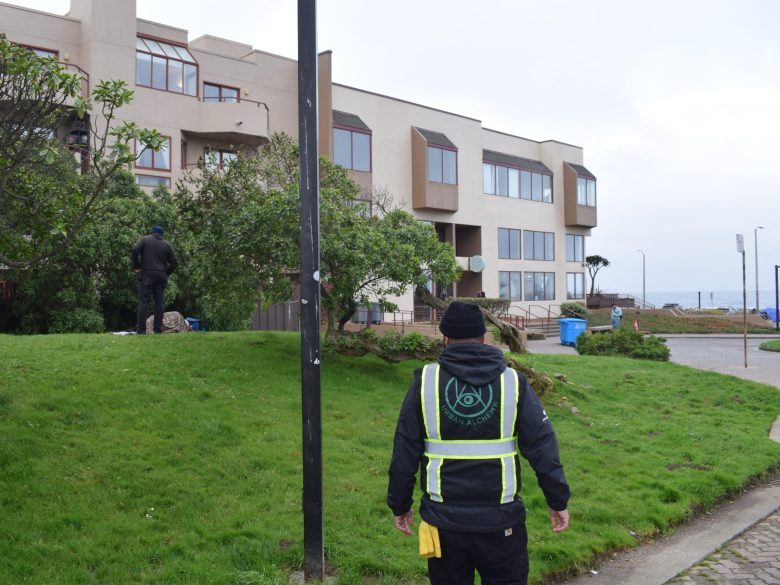
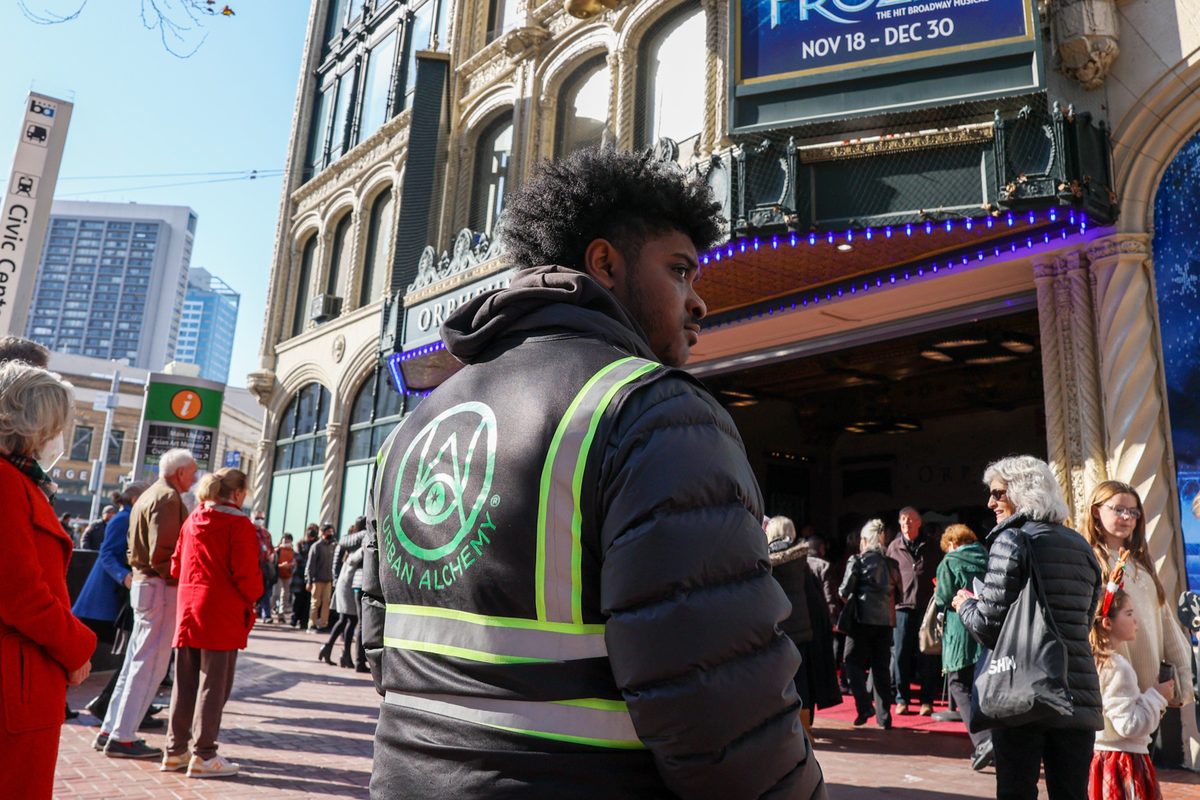
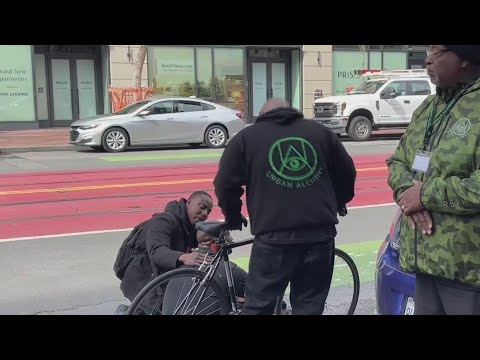
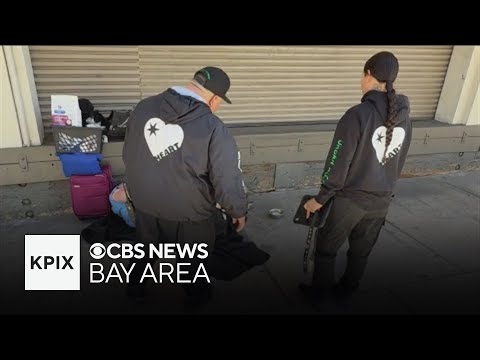
Urban Alchemy, the nonprofit that helped clean up San Francisco's Tenderloin, started patrolling a beachside block in the Outer Richmond in mid-August. Its three ambassadors have so far mostly swept the sidewalk and moved homeless people along.

The expansion is a test of whether the organization's downtown model holds in a residential neighborhood. A Stanford study published this month credited Urban Alchemy with 20% lower crime downtown, and the city is betting the same approach works on the west side.

Why it matters

San Francisco is shifting street management from police to unarmed civilian ambassadors — and this fall, that experiment is reaching residential neighborhoods.

Questions about this story

Free account needed to ask — your question is kept and asked for you right after sign-up. Answers are public.

No questions yet — be the first to ask.

Key Indicators

3
Ambassadors in the Outer Richmond
Urban Alchemy workers assigned to the Safeway and plaza block since Aug. 19.
$1.8M
Commercial corridor contract
Portion of Urban Alchemy's city contract funding the Outer Richmond, Hayes Valley, and Castro teams.
20%
Crime reduction on patrolled blocks
Stanford study finding on blocks where Urban Alchemy works vs. comparable intersections.
$22.51M
Urban Alchemy's January contract
For continued Tenderloin work and expansion to SoMa, awarded January 2026.

Voices

Curated perspectives — historical figures and your fellow readers.

Ever wondered what historical figures would say about today's headlines?

Sign up to generate historical perspectives on this story.

People Involved

Organizations Involved

Timeline

January 2018 September 2026

7 events Latest: Today
Tap a bar to jump to that date
  1. Mission Local reports on west-side expansion

    Today Report

    Reporting finds ambassadors mostly moving homeless people along in Outer Richmond.

  2. Stanford study published

    Research

    Peer-reviewed study finds Urban Alchemy associated with 20% lower crime downtown.

  3. Outer Richmond patrols begin

    Deployment

    Three Urban Alchemy ambassadors start walking the Outer Richmond Safeway block.

  4. $22.51M contract awarded

    Contract

    San Francisco awards Urban Alchemy contract for Tenderloin and SoMa expansion.

  5. City signs ambassador contracts

    Contract

    City Hall signs contracts with five ambassador programs, including Urban Alchemy.

  6. Stanford sociologist takes notice

    Research

    Forrest Stuart begins observing Urban Alchemy in the Tenderloin.

  7. Urban Alchemy founded

    Founding

    Nonprofit launched to manage Tenderloin and Market Street street conditions.

Scenarios

1

Urban Alchemy wins new corridors citywide

Possible Resolves by Q2 2027

Discussed by: Forrest Stuart and Urban Alchemy spokesperson Jess Montejano

Positive findings from the Stanford study and quiet acceptance of the Outer Richmond patrols lead the city to expand the commercial corridor program to more neighborhoods. Urban Alchemy uses the momentum to press for additional contracts in the 2027 budget cycle, building on its national expansion to nine cities.

2

Misconduct allegations derail expansion

Unlikely Resolves by Q2 2027

Discussed by: SF Standard and Mission Local, which have reported allegations of weapons possession, drug dealing, and sexual misconduct against individual ambassadors

Past allegations against Urban Alchemy workers resurface in public hearings or a formal complaint, prompting a district supervisor or city committee to call for review. The city pauses new corridor assignments or declines to renew existing contracts while investigating.

3

Program holds steady at three corridors

Likely Resolves by Q2 2027

Discussed by: Status-quo observers; city budget constraints

The city keeps Urban Alchemy at its current scope through the next budget cycle, funding the Tenderloin, SoMa, and three commercial corridors without adding new ones. The Stanford-backed results are noted but not acted on as the city manages other budget priorities.

Historical Context

2 moments from history that rhyme with this story — and how they unfolded.

1988-present

Homeboy Industries (Los Angeles, since 1988)

Father Greg Boyle founded Homeboy Industries in East Los Angeles in 1988 to employ formerly gang-involved and formerly incarcerated people. It grew into the world's largest gang-rehabilitation and reentry organization.

Then

Homeboy's reentry workers proved that people with lived experience in gangs could reduce neighborhood violence. The organization has faced recurring funding shortfalls.

Now

Homeboy made 'reentry employment' a recognized crime-reduction strategy, influencing programs from Los Angeles to San Francisco.

Why this matters now

Urban Alchemy runs on the same premise: hire the formerly incarcerated, and their credibility can de-escalate street conflicts that police often escalate.

1980s-1990s

New York City Business Improvement Districts (1980s-1990s)

New York City began authorizing Business Improvement Districts, letting property owners fund nonprofit organizations that clean streets, provide security, and manage public spaces. The 14th Street-Union Square BID, founded in 1984, was among the first.

Then

BIDs added a layer of private street management credited with cleaner corridors, but drew criticism for pushing homeless people out of public spaces.

Now

Hundreds of BIDs now operate across the U.S., making private street management a permanent feature of many cities.

Why this matters now

BIDs show how civilian street-management entities can grow from pilot to permanent infrastructure, raising the same questions about public space and marginalized people that Urban Alchemy faces.

Sources

(4)