
City reports fewer drug-related emergency calls, but neighbors say results are uneven
3 days ago: City extends strategy indefinitelyNew here? Follow stories to track developments over time. Create a free account to get updates when stories you care about change.
Overview
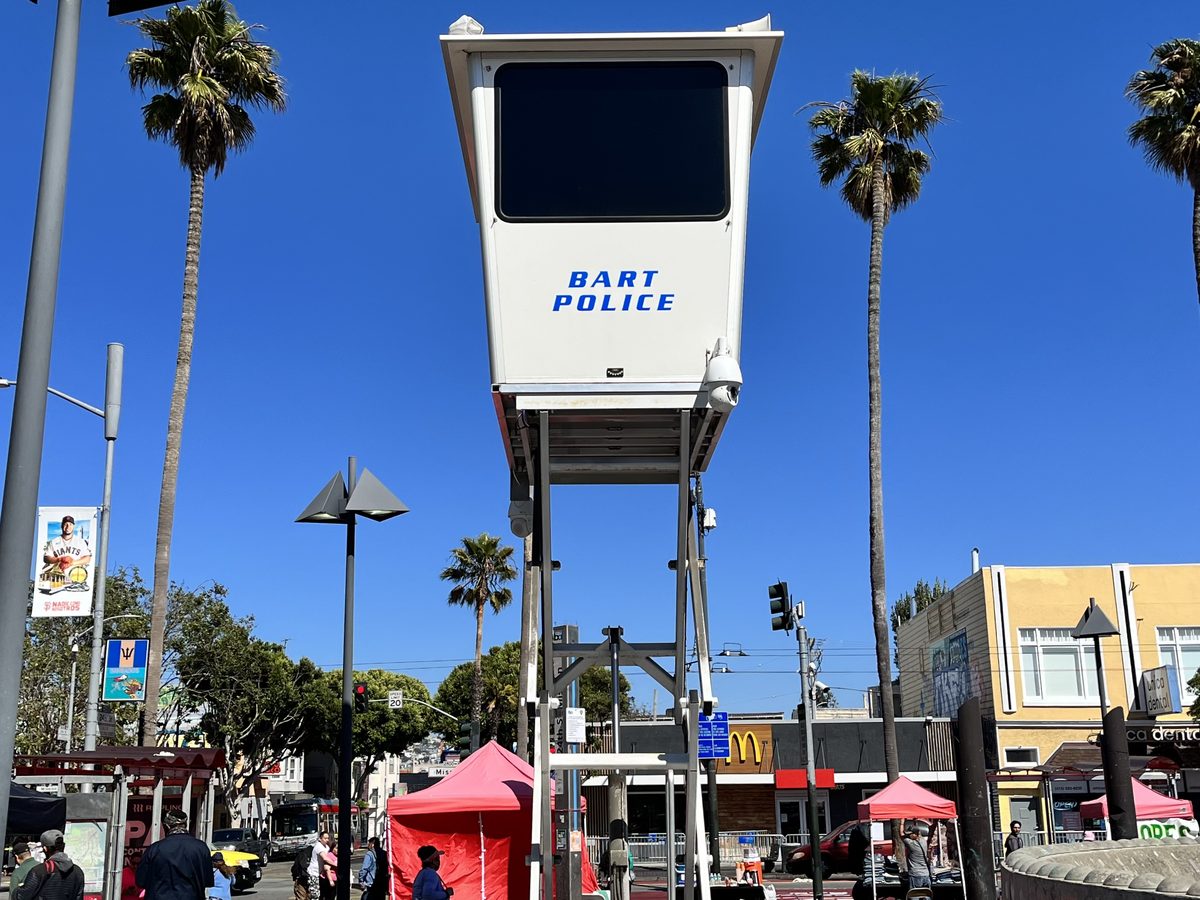
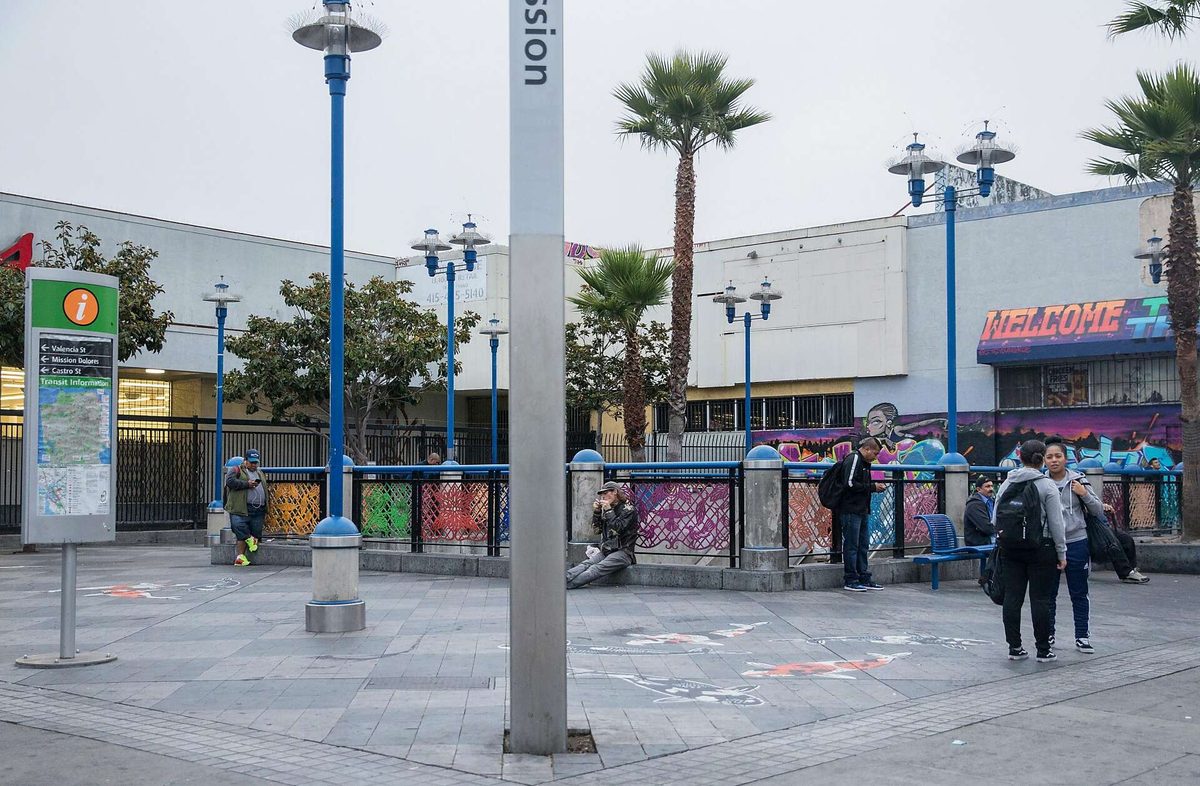
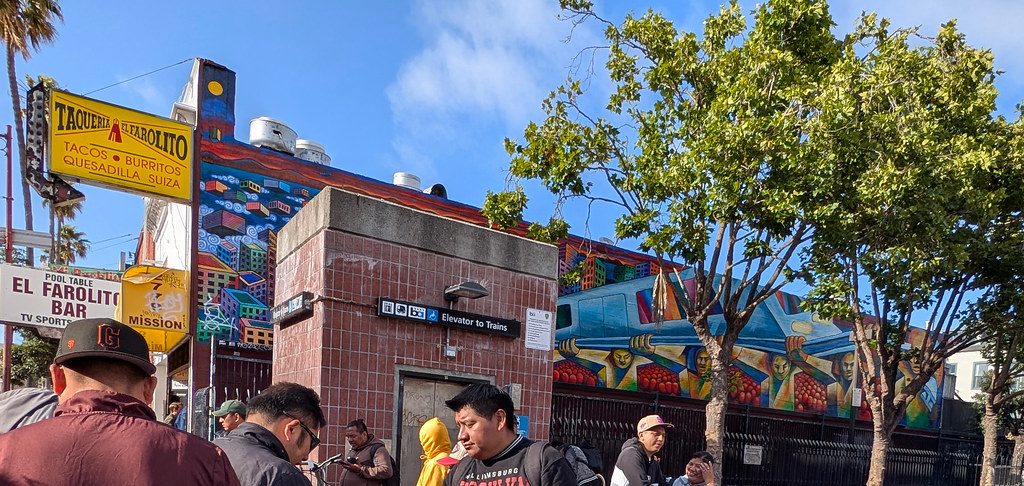
Updated YesterdaySan Francisco's 90-day cleanup of the Mission District BART plazas will continue indefinitely, with no end date, the mayor's office confirmed Thursday. The city says emergency calls about homeless people dropped 34 percent and calls about public drug use fell 22 percent since the plan began June 7.
Neighbors and business owners tell a messier story. Some report real improvement, but others say evening hours remain dangerous and stabbings have continued at both plazas. The indefinite extension tests whether coordinated enforcement, street ambassadors, and pop-up events can permanently change two of the city's busiest transit hubs.
Why it matters
The outcome determines whether coordinated enforcement can make two busy transit plazas safe, or whether San Francisco's approach needs a fundamental reset.
Questions about this story
Free account needed to ask — your question is kept and asked for you right after sign-up. Answers are public.
No questions yet — be the first to ask.
Key Indicators
Voices
Curated perspectives — historical figures and your fellow readers.
Play
Exploring all sides of a story is often best achieved with Play.
Higher or Lower
A number from this story, against one from elsewhere in the news — guess which is bigger, then keep the chain going. 5 rounds, 3 strikes; a miss costs a strike and resets your streak.
Keyboard: ↓/L lower · ↑/H higher
0 points — sign up to put that on the leaderboard.
Connections
Sixteen names from the news. Find the four hidden groups of four. Four mistakes max.
Sign up to keep a daily streak — a new puzzle lands every day.
Exit debate?
Your progress in this debate will be lost.
- 1 Two AI personas square off on this story.
- 2 You predict who'll win each round — correct picks earn XP.
- 3 One crossfire question is yours to fire. Pick it carefully.
Couldn't generate a topic
Select Your Champions
Choose one persona for each side of the debate
DEBATE TOPIC
Choose personas with different perspectives for a more dynamic debate.
Select debater for this side:
No debate personas available right now.
Select debater for this side:
No debate personas available right now.
Who's Got This Round?
Make your prediction before the referee scores
The referee scores both sides on
Round Results
Set the Crossfire
Pick the question both personas must answer in the final round
Debate Oracle! You called every round!
Sharp Instincts! You know your debaters!
The Coin Flip Strategist! Perfectly balanced!
The Contrarian! Bold predictions!
Inverse Genius! Try betting the opposite next time!
XP Breakdown
Prediction History
People Involved
Organizations Involved
San Francisco agency managing the plaza cleanup and the $1 million fall 'activations' plan.
Police force enforcing vending and drug laws at the plazas with eight new officers.
Regional transit agency that owns the 16th and 24th Street plazas.
Timeline
March 2025 September 2026
-
City extends strategy indefinitely
Latest PolicyLurie's office confirms the 90-day plan continues with no set end date.
-
Residents share photos of plaza fencing
CommunityNeighbors send Fielder's office pictures of both plazas inundated with alleged fencing activity.
-
Mayor's office denies 24/7 ambassador request
DecisionSupervisor Fielder's request for round-the-clock street ambassadors rejected on cost grounds.
-
Two people stabbed near the plazas
IncidentTwo separate stabbings within hours of each other near the cleanup zone.
-
90-day strategy begins
PolicyLurie launches the coordinated 90-day cleanup at the 16th and 24th Street BART plazas.
-
Three people stabbed at 16th and Mission
IncidentStabbings occur hours after the mayor visited one of the plaza 'activations.'
-
State law gives police vending enforcement authority
LegalNew state bill lets San Francisco police enforce illegal vending laws at the plazas.
-
Police mobile command unit arrives at 16th Street
EnforcementSFPD parks a mobile command unit on the 16th Street BART plaza, kicking off coordinated enforcement.
Historical Context
3 moments from history that rhyme with this story — and how they unfolded.
Times Square cleanup (1994-1996)
Mayor Rudy Giuliani's quality-of-life campaign pushed sex shops, drug dealers, and street hustlers out of Times Square starting in 1994, pairing aggressive enforcement with business improvement district cleanups and later private redevelopment. Crime and disorder fell sharply within a few years.
Crime dropped dramatically and the area became a family-oriented commercial district.
The cleanup became a template for cities worldwide, though critics note it displaced problems and fueled gentrification.
The Mission strategy mirrors several Times Square tactics, including visible enforcement, multi-agency coordination, and private contractors, and faces the same question: whether gains hold without constant pressure.
Care Not Cash (2002-2004)
San Francisco voters approved Mayor Gavin Newsom's Care Not Cash initiative in 2002, replacing monthly cash welfare grants for homeless adults with housing, food, and services. The program took full effect in 2004 after legal challenges.
Cash payouts dropped and the visible street homeless population declined in some areas.
Homelessness persisted and the policy's effectiveness is still debated two decades later.
Like Care Not Cash, Lurie's strategy is a mayor-led intervention on street conditions in San Francisco, and its success will be measured the same way: whether changes on the ground outlast the political cycle.
16th & Mission plaza redesigns (2010s-2020s)
The 16th Street BART plaza has been redesigned multiple times over the past decade-plus, each attempt aiming to reduce drug activity and loitering through changes to layout, seating, and lighting. Mission Local reports the plaza is now being redesigned 'again.'
Each redesign briefly changed how the space was used.
Drug use and illegal vending returned after each round, suggesting design alone hasn't solved the problem.
The current $3 million in 'public safety infrastructure' spending is the latest in this cycle, testing whether physical changes can do what past designs and enforcement haven't.
