
Pull to refresh
Logo
San Jose freezes data center approvals until new standards take effect

San Jose freezes data center approvals until new standards take effect

Rule Changes San Jose, CA local

The unanimous council vote stops land-use approvals on a dozen pending projects and closes the window Google's 250-megawatt Alviso facility could have used to clear approval before the rules land.

Overview

Updated 1 hour ago

San Jose put a freeze on land-use approvals for data centers Tuesday, voting unanimously to stop a dozen pending projects until the city writes rules on how much power, water and noise they can generate. The pause holds until the council votes on those standards Dec. 8. Because the council designated them an urgency ordinance, they would take effect that night.

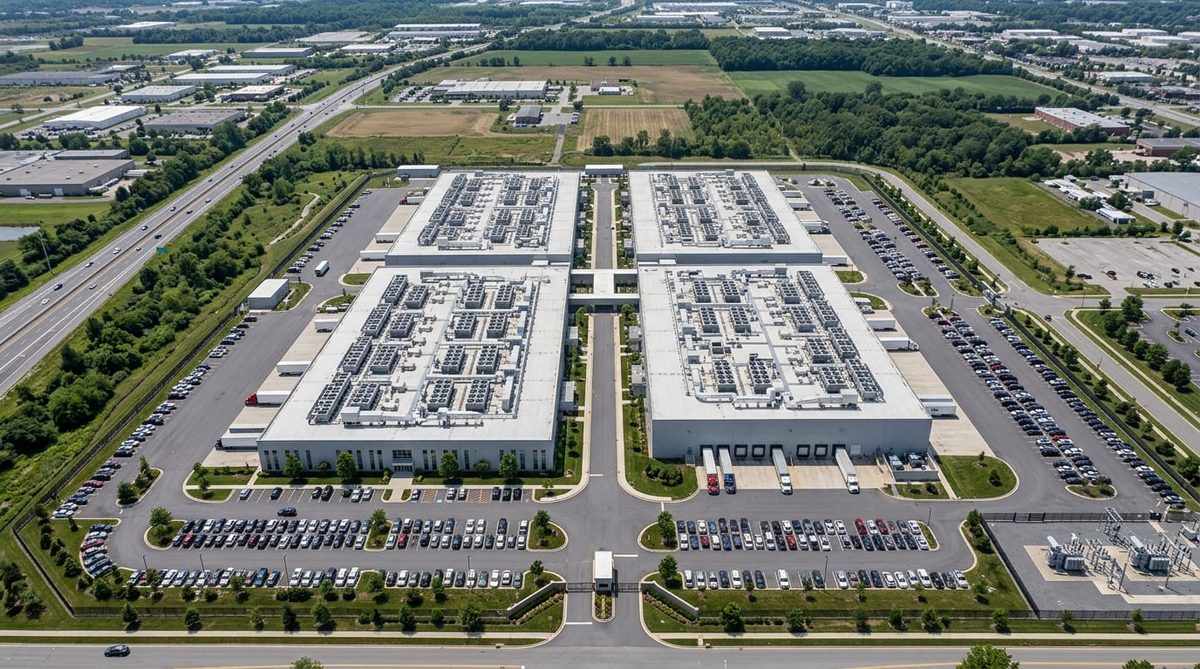
The trigger was timing. Google's planned Alviso facility, which would draw about 250 megawatts, could have won approval before the new rules existed and skipped them entirely, undercutting months of city assurances that no project could finish first. The draft standards, released in October, require carbon-neutral electricity, bar cooling systems that use drinking water, cap backup-generator use and charge developers impact fees.

Why it matters

A Silicon Valley city just decided control over power, water and noise is worth slowing the AI buildout. Other cities are watching the template.

Last Monday's email for San Jose, CA

Sent Nov 16. It carried:

Get next Monday's: one short email a week. Free. Unsubscribe in one click.

Questions about this story

Free account needed to ask — your question is kept and asked for you right after sign-up. Answers are public.

No questions yet — be the first to ask.

Key Indicators

12
Pending projects frozen
Data center and large-energy proposals under review when the moratorium passed.
~250 MW
Google's Alviso power draw
Reported to exceed all of Marin County's 2024 electricity use.
800+ MW
Planned load in northern San Jose
Combined draw of planned data centers and large energy users in the north of the city.
~20
Data centers already operating
Existing facilities in San Jose before the current wave of proposals.
100%
Carbon-neutral electricity required
A core provision of the draft standards the council is set to vote on.

Voices

Curated perspectives — historical figures and your fellow readers.

Sign up to generate historical perspectives on this story.

People Involved

Organizations Involved

Timeline

June 2026 November 2026

5 events Latest: 3 days ago
Tap a bar to jump to that date
  1. Council approves moratorium unanimously

    Latest Vote

    Freeze covers data centers and other large power users, including 12 pending projects.

  2. Five officials announce moratorium measure

    Statement

    Mayor Mahan and four council members back a freeze on approvals.

  3. Draft standards released

    Policy

    Rules cover carbon-neutral power, water-based cooling, generators, labor and impact fees.

  4. City opens data center standards process

    Policy

    Council launches rulemaking after residents pack community meetings demanding limits.

Scenarios

1

Council adopts the data center standards intact on Dec. 8

Likely Resolves by Dec 8, 2026

Discussed by: City officials and the Silicon Valley Leadership Group, which called the Dec. 8 vote timely.

The council designated the standards an urgency ordinance specifically so they take effect the night they pass. If the carbon-neutral electricity requirement and the community impact fee survive to Dec. 8, the freeze will have done what its sponsors promised: stopped a project from outrunning a rule rather than freezing an industry indefinitely.

2

Standards pass, but carbon-neutral power or impact fees get cut

Possible Resolves by Dec 8, 2026

Discussed by: Local policy analysts, including the Houseberry research team, which called Dec. 8 the real test of whether the pause bought anything.

Industry groups have asked for refinements, and December is the council's last meeting of the year. If the carbon-neutral electricity mandate or the impact fee comes off the table to get a deal, the three-week freeze will have only delayed projects, not shaped them.

3

No ordinance passes and the approval freeze runs into 2027

Unlikely Resolves by Jan 31, 2027

Discussed by: Residents and the Sierra Club, who argued the process was moving faster than the evidence justified.

The moratorium lapses only when the standards take effect. If the Dec. 8 vote slips, the city's holiday recess for public meetings in December and January keeps land-use approvals paused into the new year, and the freeze becomes a de facto long moratorium nobody formally voted for.

4

Google's Alviso facility wins approval under the new standards

Possible Resolves by End of 2027

Discussed by: City planning staff and the project's opponents, who have focused on its 250-megawatt load.

The freeze ends when the rules land, not when the projects go away. The 5079 and 5087 Disk Drive proposal is already under review, and passing standards gives the city a checklist to measure it against rather than a reason to reject it. Approval would test whether the rules bind a project this large or simply document it.

Historical Context

3 moments from history that rhyme with this story — and how they unfolded.

1969-1978

Mineral King and Sierra Club v. Morton (1969-1978)

Walt Disney Productions proposed a large ski resort in the Mineral King Valley next to Sequoia National Park. The Sierra Club sued to block it in 1969. The Supreme Court ruled in 1972 that the club lacked standing because it had not alleged its own members would be harmed, a decision that created the modern injury-in-fact test for environmental lawsuits.

Then

Congress added Mineral King to Sequoia National Park in 1978, and Disney abandoned the resort.

Now

The standing ruling shaped decades of environmental litigation, and the case became the template for using procedure to outlast a developer.

Why this matters now

The Sierra Club's Loma Prieta Chapter is running a smaller version of the same play in San Jose: use the review process to buy time, and let the developer's patience run out.

1973

Oregon Senate Bill 100 (1973)

Governor Tom McCall signed Senate Bill 100, creating the Land Conservation and Development Commission and requiring every Oregon city to draw an urban growth boundary separating buildable land from farm and forest. It was the first state law to make a diffuse worry about sprawl into a binding checklist developers had to clear.

Then

Cities had to justify every expansion of their boundaries to a state commission.

Now

Oregon became the national model for managed growth, and its land limits became a durable argument in the state's housing-supply fights.

Why this matters now

San Jose is running the same experiment at city scale, converting a general unease about AI infrastructure into measurable thresholds for power, water and noise.

2010s-2020s

Loudoun County's Data Center Alley (2010s-present)

A suburban county outside Washington, D.C. became the world's densest concentration of data centers after cheap land and fiber drew hyperscale builders. As the buildout spread toward populated areas, residents organized over substations, diesel backup generators and land use.

Then

The county kept approving new campuses while siting fights became routine local politics.

Now

Local government review, not federal or state policy, became the main brake on where data centers could go.

Why this matters now

San Jose is joining the pattern Loudoun established: a place that welcomed data centers first and had to invent rules once residents could see the transmission lines.

Sources

(3)