

Rituximab Off-Label Adoption for Autoimmune Hemolytic Anemia (2000s)
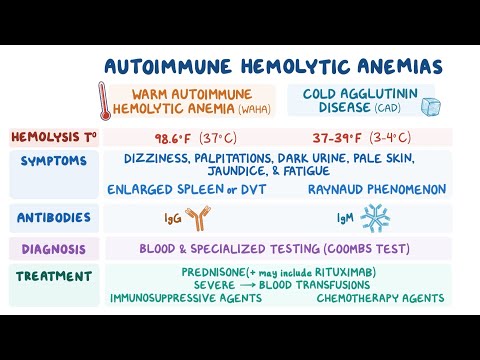
Rituximab, originally approved for non-Hodgkin lymphoma in 1997, began showing efficacy in autoimmune hemolytic anemia through case reports and small studies. Physicians adopted it off-label for steroid-refractory patients, achieving 70-80% response rates. Despite widespread use, no manufacturer pursued a formal FDA approval for this indication.
Rituximab became the de facto second-line therapy for wAIHA worldwide, despite lacking FDA approval for this use.
The pattern demonstrated how rare disease patients rely on off-label treatments when no approved therapies exist. It also showed pharmaceutical companies rarely invest in approval studies for small patient populations without financial incentives.
Rilzabrutinib's path illustrates a potential shift: orphan drug incentives and breakthrough therapy pathways now make rare autoimmune conditions commercially viable targets. If approved, it would be the first treatment specifically developed and approved for wAIHA.