

1972
Honda-Fujishima effect (1972)
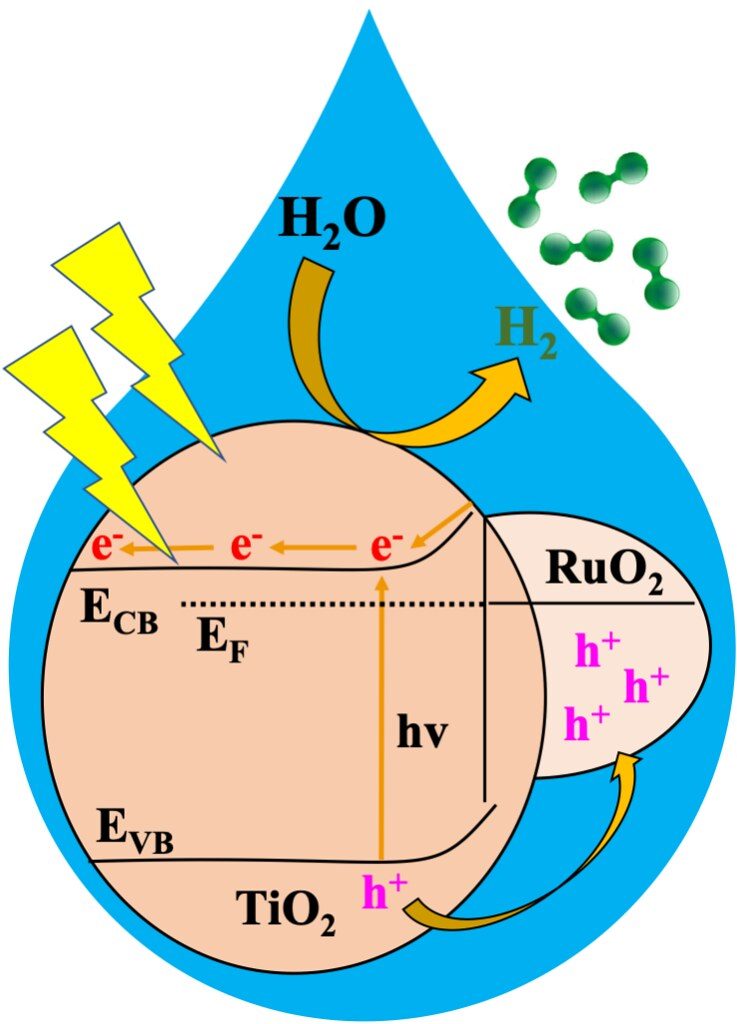
Kenichi Honda and Akira Fujishima at the University of Tokyo discovered that titanium dioxide electrodes could split water into hydrogen and oxygen when exposed to ultraviolet light. The finding launched the field of photoelectrochemical water splitting.
Then
Researchers worldwide began exploring semiconductor materials for solar hydrogen production.
Now
The discovery established the fundamental mechanism for photocatalytic water splitting, but efficiency and cost barriers kept the technology in the lab for decades.
Why this matters now
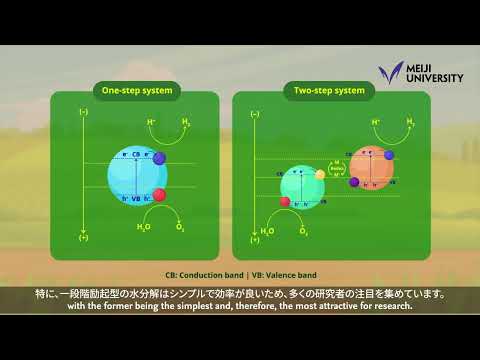
BVR-19 builds on the same fundamental concept, using light to split water, but replaces the metal-based catalyst with sulfur chemistry, addressing the cost barrier that has limited photocatalytic hydrogen since 1972.