
Pull to refresh
Logo
Serbia's central bank raises key rate to 6% as energy costs climb

Serbia's central bank raises key rate to 6% as energy costs climb

Money Moves

The 25-basis-point increase is the first in more than three years and ends 25 months of unchanged rates.

Overview

Updated 1 hour ago

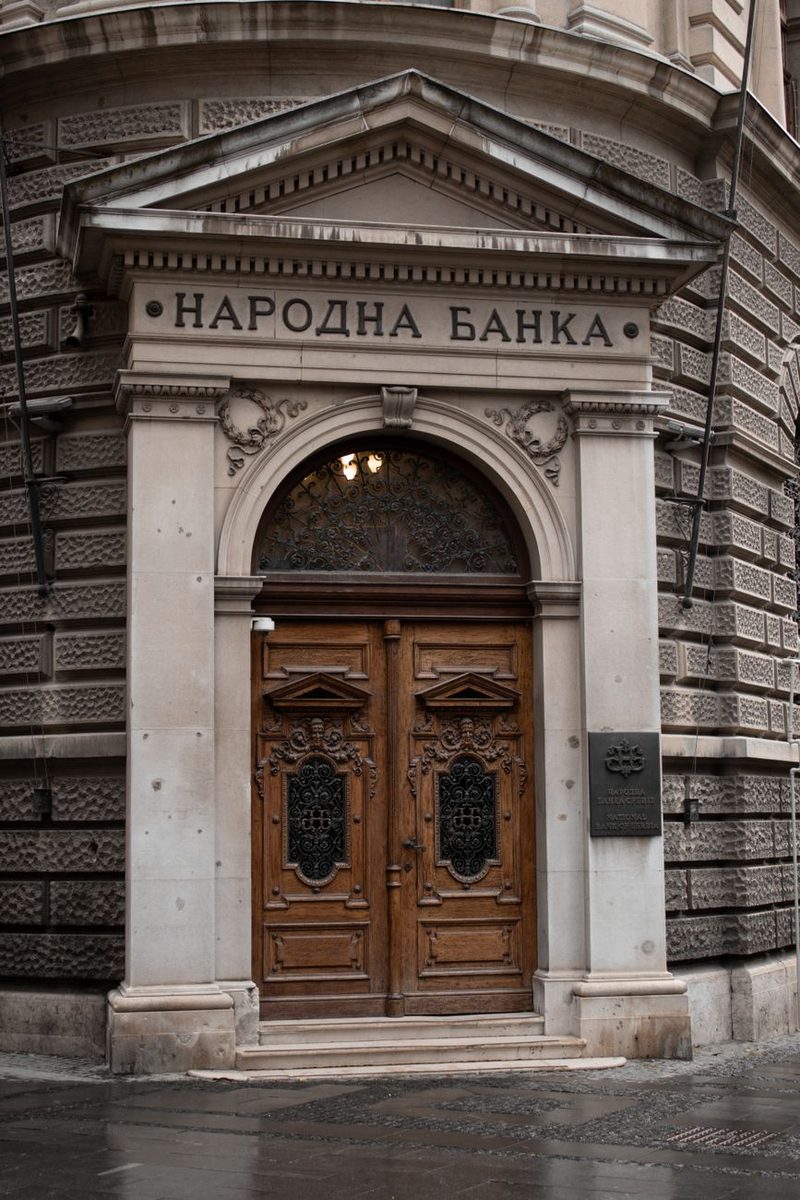
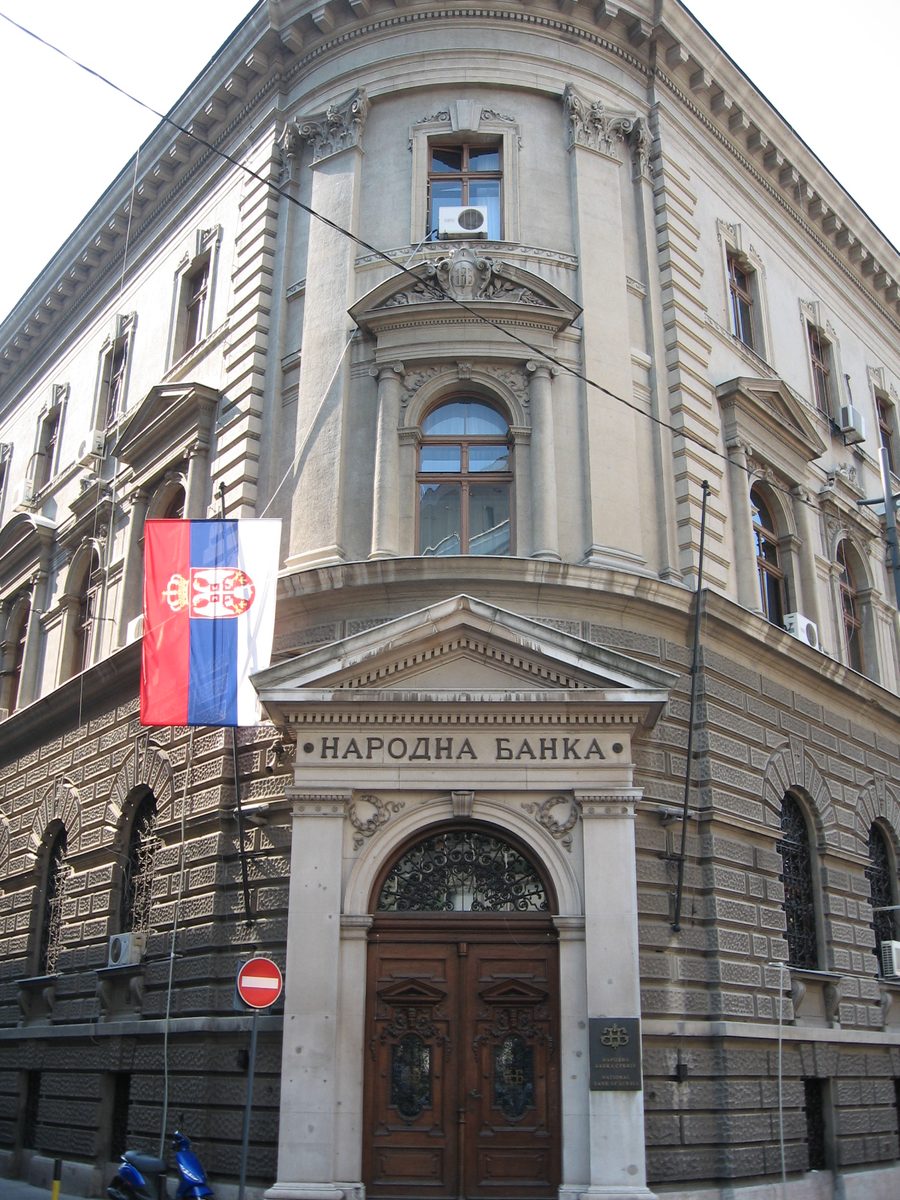
Serbia's central bank raised its key policy rate to 6% on Nov. 12, up from 5.75%, the first increase in more than three years. Economists had expected no change.

The National Bank of Serbia cited an energy shock from the Middle East conflict that has lifted oil, natural gas and electricity prices, and inflation at 4.1% in September. It expects inflation to stay above its 3% target, plus or minus 1.5 percentage points, through next year.

Why it matters

New dinar loans will cost more within three to six months, and the hike signals that Europe's energy-driven inflation has not settled.

Questions about this story

Free account needed to ask — your question is kept and asked for you right after sign-up. Answers are public.

No questions yet — be the first to ask.

Key Indicators

6.00%
Key policy rate
Raised 25 basis points from 5.75% on Nov. 12, 2026.
4.75%
Deposit facility rate
The rate the central bank pays banks on deposits.
7.25%
Lending facility rate
The rate the central bank charges banks for short-term funds.
4.1%
Annual inflation, September 2026
Up on energy prices and base effects from food and household products.
3.5%
2026 GDP growth forecast
The bank's minimum estimate, above its August projection.
4.0%
GDP growth, third quarter 2026
Preliminary estimate, led by services, agriculture and construction.
3%
Inflation target midpoint
The bank targets 3%, with a tolerance band of plus or minus 1.5 points.

Voices

Curated perspectives — historical figures and your fellow readers.

Sign up to generate historical perspectives on this story.

People Involved

Organizations Involved

Timeline

September 2024 December 2026

5 events Latest: Today
Tap a bar to jump to that date
  1. Next board meeting scheduled

    Upcoming Policy

    The board will review rates again in December.

  2. NBS raises key rate to 6%

    Today Policy

    A 25-basis-point hike; deposit rate 4.75%, lending rate 7.25%.

  3. Board holds rate at 5.75%

    Policy

    The Executive Board leaves the rate unchanged at its October meeting.

  4. Inflation rises to 4.1%

    Data

    Annual inflation climbs on energy prices and food base effects.

  5. NBS sets key rate at 5.75%

    Policy

    The rate stays unchanged for more than two years.

Scenarios

1

NBS raises again in December

Possible Resolves by Dec 10, 2026

Discussed by: The bank's own statement, which says decisions will be made meeting by meeting based on incoming data

If energy prices stay high and inflation expectations keep rising, the board could add another 25 basis points at its Dec. 10 meeting. The bank has said it will act on data as it arrives, leaving the door open to a second move.

2

NBS holds at 6% through the first quarter of 2027

Likely Resolves by Q1 2027

Discussed by: The bank's projection that inflation returns to target only by the end of 2027

The bank expects inflation to stay above its target band next year before easing back. That path argues for keeping the rate at 6% or higher through the winter and spring rather than cutting quickly.

3

NBS cuts back below 6% in 2027 as inflation falls

Possible Resolves by End of 2027

Discussed by: The bank's forecast that inflation returns within its target band by the end of 2027

If the energy shock fades and inflation moves back toward 3%, the board could reverse the November hike. The bank cut rates through 2024 once inflation eased, and it could follow the same path again.

Historical Context

3 moments from history that rhyme with this story — and how they unfolded.

July 2022

European Central Bank ends negative rates (2022)

The European Central Bank raised interest rates by 50 basis points in July 2022, its first increase in 11 years, as energy prices surged after Russia's invasion of Ukraine. The move ended eight years of negative rates.

Then

Eurozone inflation reached 10.6% in October 2022, and the ECB kept raising rates.

Now

The ECB took its deposit rate to 4% by September 2023, then held it before beginning cuts in 2024.

Why this matters now

Serbia's decision follows the same logic: act early to stop an energy price shock from spreading into wages and other prices.

2022

National Bank of Hungary emergency tightening (2022)

Hungary's central bank raised its base rate sharply through 2022, reaching 13% by September, as the forint weakened and energy costs climbed. The bank used emergency measures alongside its regular rate decisions.

Then

Hungarian inflation kept rising, peaking above 25% in early 2023.

Now

The bank held rates high into 2023 and began cutting late that year as inflation fell.

Why this matters now

A small, energy-importing European economy facing a similar shock shows how far rates can move and how long inflation can stay above target.

2021-2023

Serbia's previous tightening cycle (2021-2023)

The National Bank of Serbia raised its key policy rate through 2022 and 2023 to fight inflation, then cut rates as price growth eased. By September 2024 the rate had settled at 5.75%.

Then

Inflation eased and the bank shifted to holding rates steady.

Now

The rate stayed at 5.75% for more than two years before the November 2026 increase.

Why this matters now

The bank has reversed course quickly before, which makes both another hike and an eventual cut plausible.

Sources

(10)