
Pull to refresh
Logo
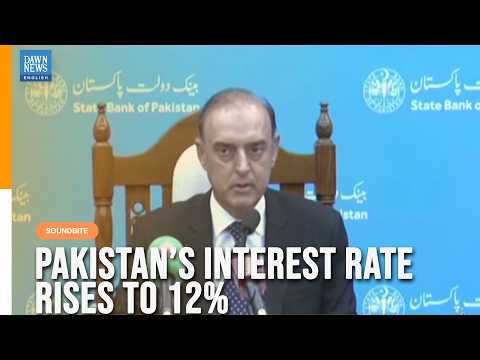
Pakistan central bank raises key rate to 12%

Pakistan central bank raises key rate to 12%

Money Moves

First hike since April as Middle East conflict and energy costs keep inflation above the 5-7% target

Today: SBP raises policy rate 50 basis points to 12%

Overview

Updated 1 hour ago

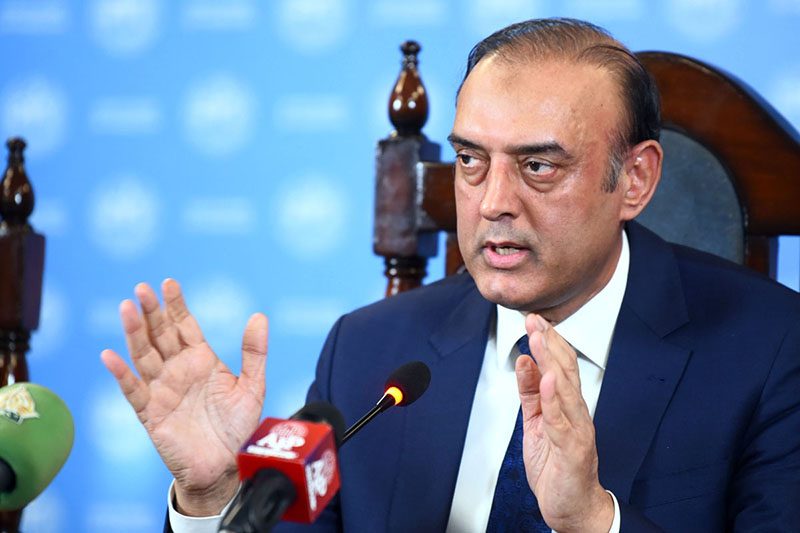
Pakistan's central bank raised its benchmark policy rate by half a percentage point to 12% on October 26, the first increase since April. Nine of the ten Monetary Policy Committee members backed the move, which comes as annual inflation hit 10.3% in September — well above the bank's 5-7% target.

The bank cited the intensifying Middle East conflict and low prospects of near-term resolution keeping global energy prices elevated, plus domestic wheat supply frictions. The hike is designed to stop energy and food costs from spreading into broader price increases, even if it slows the country's gradual economic recovery.

Why it matters

Every Pakistani borrower faces costlier loans as the central bank prioritizes taming double-digit inflation over shielding the fragile recovery from higher energy costs.

Questions about this story

Free account needed to ask — your question is kept and asked for you right after sign-up. Answers are public.

No questions yet — be the first to ask.

Key Indicators

12%
Policy rate
SBP benchmark rate after the October 26 hike, effective October 27
10.3%
Annual inflation (September)
September CPI, down from 11.1% in August but above the 5-7% target band
$21.5B
Foreign exchange reserves
Sufficient for about three months of imports
+0.5 pp
Rate hike size
Increase from 11.5%, supported by 9 of 10 MPC members

Voices

Curated perspectives — historical figures and your fellow readers.

Ever wondered what historical figures would say about today's headlines?

Sign up to generate historical perspectives on this story.

People Involved

Organizations Involved

Timeline

April 2026 October 2026

7 events Latest: Today
Tap a bar to jump to that date
  1. New 12% policy rate takes effect

    Upcoming Policy

    The higher rate applies from October 27, raising borrowing costs on housing, auto, business, and agricultural loans.

  2. SBP raises policy rate 50 basis points to 12%

    Today Policy

    Nine of ten MPC members back the first hike since April, citing the Middle East conflict and elevated energy prices.

  3. IMF staff-level agreement for $1.21 billion

    Finance

    Pakistan and the IMF reached a staff-level agreement that could unlock about $1.21 billion, pending executive board approval.

  4. SBP holds rate at September meeting

    Policy

    Second consecutive hold before the October hike.

  5. September inflation reads 10.3%

    Data

    Annual CPI decelerated from 11.1% but stayed well above the 5-7% target. Transport costs rose 27.4% year on year.

  6. SBP holds rate at July meeting

    Policy

    Committee kept the rate unchanged, pausing after April's hike.

  7. SBP raises policy rate by 1 percentage point

    Policy

    First tightening move brought the rate to 11.5% amid persistent inflation pressures.

Scenarios

1

Pakistan holds at 12% through early 2027

Possible Resolves by Q1 2027

Discussed by: SBP's own guidance; economists quoted in Pakistani financial media

If oil prices stabilize below $100 a barrel and wheat supply frictions ease, the SBP may let the October hike do its work and hold through winter. The bank retained its 3.5-4.5% growth forecast for the fiscal year ending June 2027, suggesting it sees 12% as compatible with a gradual recovery rather than a brake on it.

2

Pakistan cuts rates as inflation cools toward target

Possible Resolves by Q2 2027

Discussed by: Economist Mohsin Mesidia (quoted in WE News), who said rate cuts would follow if oil prices decline

If Middle East tensions ease and oil drops sharply, imported energy costs fall, and inflation could move toward the 5-7% target by mid-2027. Analysts quoted in Pakistani media expect the SBP to reverse course if the external pressure fades. The bank itself noted that prior easing during 2024-2025 showed it is willing to cut when conditions warrant.

3

Pakistan hikes again, rate tops 12%

Unlikely Resolves by Q2 2027

Discussed by: SBP's October 26 statement, which warned of second-round effects from prolonged food and energy inflation

If the Middle East conflict escalates further, oil holds above $100, and inflation expectations shift upward, the SBP could move again. The bank said the domestic impact of the global shock has so far been contained but repeatedly flagged the risk that food and energy costs spread into broader price increases across the economy.

Historical Context

2 moments from history that rhyme with this story — and how they unfolded.

September 2021 – June 2023

Pakistan's 2021-2023 tightening cycle

Pakistan's central bank lifted rates from roughly 7% to 22% by June 2023 as inflation spiraled to a peak near 38% in May 2023 — the worst in decades. The bank was defending the currency and stabilizing the economy under an IMF rescue program amid a balance-of-payments crisis.

Then

Rates stayed at 22% for more than a year, and inflation fell sharply through 2024-2025 as the bank began cutting.

Now

The episode showed how far Pakistani rate policy stretches in a crisis and how severely imported inflation hits an economy dependent on energy imports.

Why this matters now

Sets the reference point for Pakistani rate policy: today's 12% is modest by comparison, and the current hike stems from a far milder inflation shock. It also shows the pattern of external shocks transmitting through energy and food prices.

February-August 2022

The 2022 global energy and food price shock

Russia's invasion of Ukraine sent oil and grain prices soaring worldwide. Energy-importing economies like Pakistan saw inflation accelerate rapidly through 2022 as fuel, electricity, and food costs climbed, forcing their central banks to tighten.

Then

Import-dependent economies raised rates to contain the imported shock and defend currencies.

Now

Established the transmission channel from global energy prices into domestic Pakistani inflation through fuel and electricity costs.

Why this matters now

Closely mirrors the current dynamic: an external conflict keeping oil above $100 a barrel transmits directly into Pakistani inflation. The SBP's October statement cites nearly identical mechanics.

Sources

(10)