Anchor

Green-card holders held in airport lounge with limited medical care, legal access, and beds
3 days ago: SFist reports on SFO detentions and conditionsNew here? Follow stories to track developments over time. Create a free account to get updates when stories you care about change.
Overview
Updated 1 hour agoA lounge inside San Francisco International Airport has become a makeshift holding cell. Immigration agents held 25 people there for more than three days this year, some in chairs under lights left on all night, with limited access to medical care, legal representation, or beds.
That exceeds the government's own 72-hour detention standard. Attorneys say the practice marks a shift away from releasing travelers with court appointments, and it is part of a broader expansion of immigration enforcement that has put 400+ people in airport custody nationwide beyond the limit.
Why it matters
If this practice continues, green-card holders arriving at U.S. airports could face indefinite detention without due process, undermining a process that previously relied on scheduled releases.
Questions about this story
Free account needed to ask — your question is kept and asked for you right after sign-up. Answers are public.
No questions yet — be the first to ask.
Key Indicators
25
People held at SFO >72 hours in 2026
Reported by the San Francisco Chronicle, through July.
19
Green-card holders among those held
Of the 25 held at SFO, 19 were lawful permanent residents.
400+
People held >72 hours at U.S. airports nationwide
Federal data covering January through the reporting period.
57
Median age of green-card holders held at SFO
Compared to 44 nationwide; older detainees drew medical concerns.
Related Media
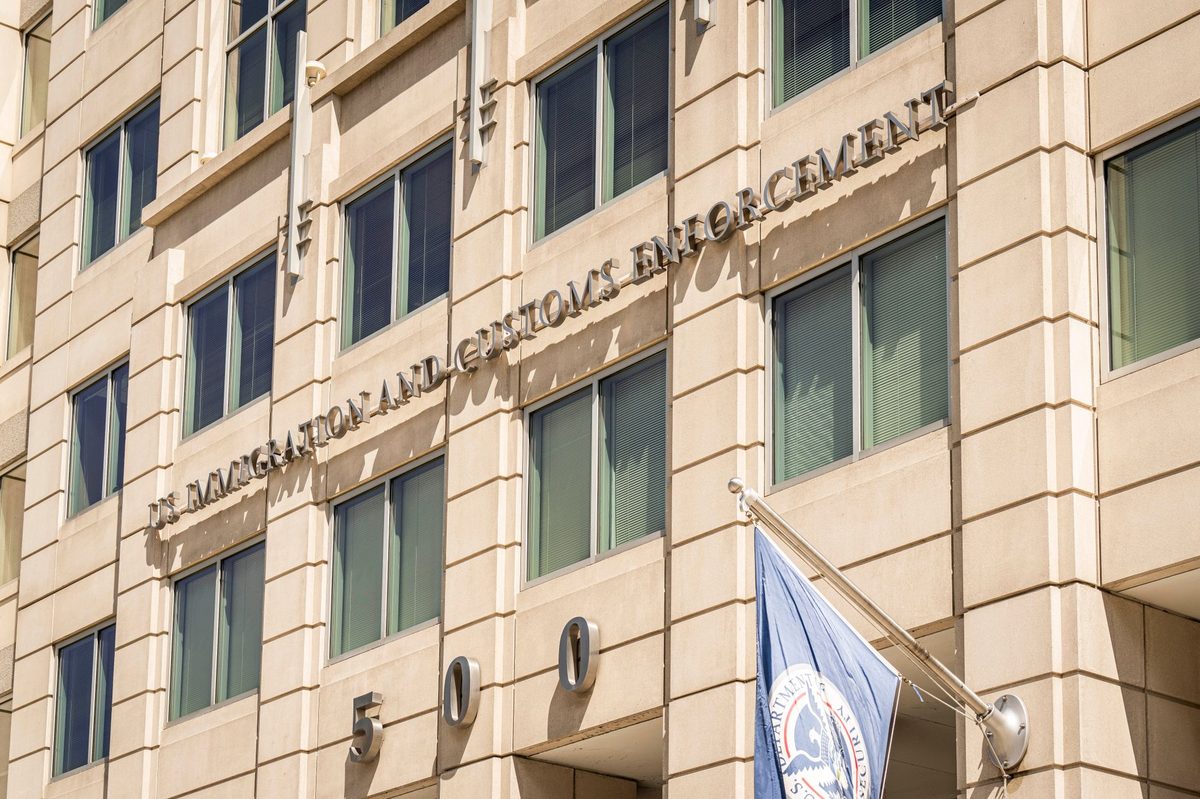
Exterior view of the US Immigration and Customs Enforcement building with a visible flag and signage.
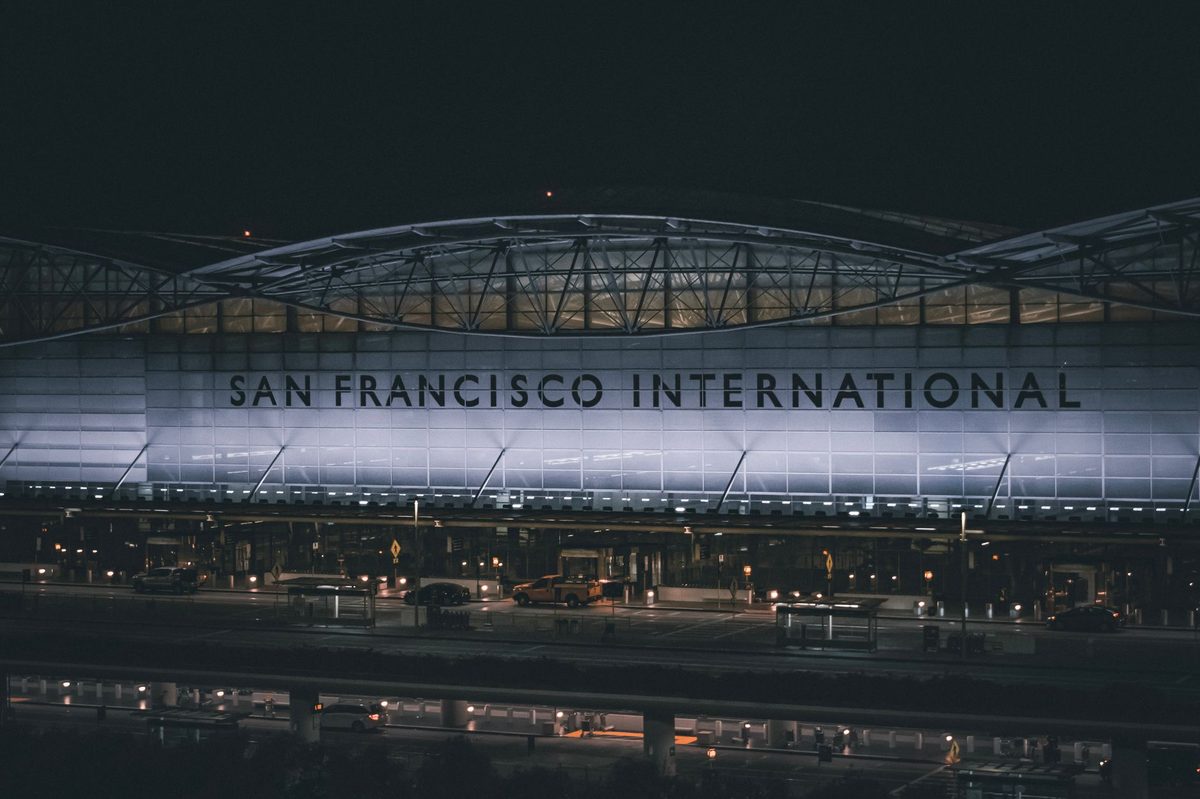
Dramatic nighttime view of the illuminated facade at San Francisco International Airport.
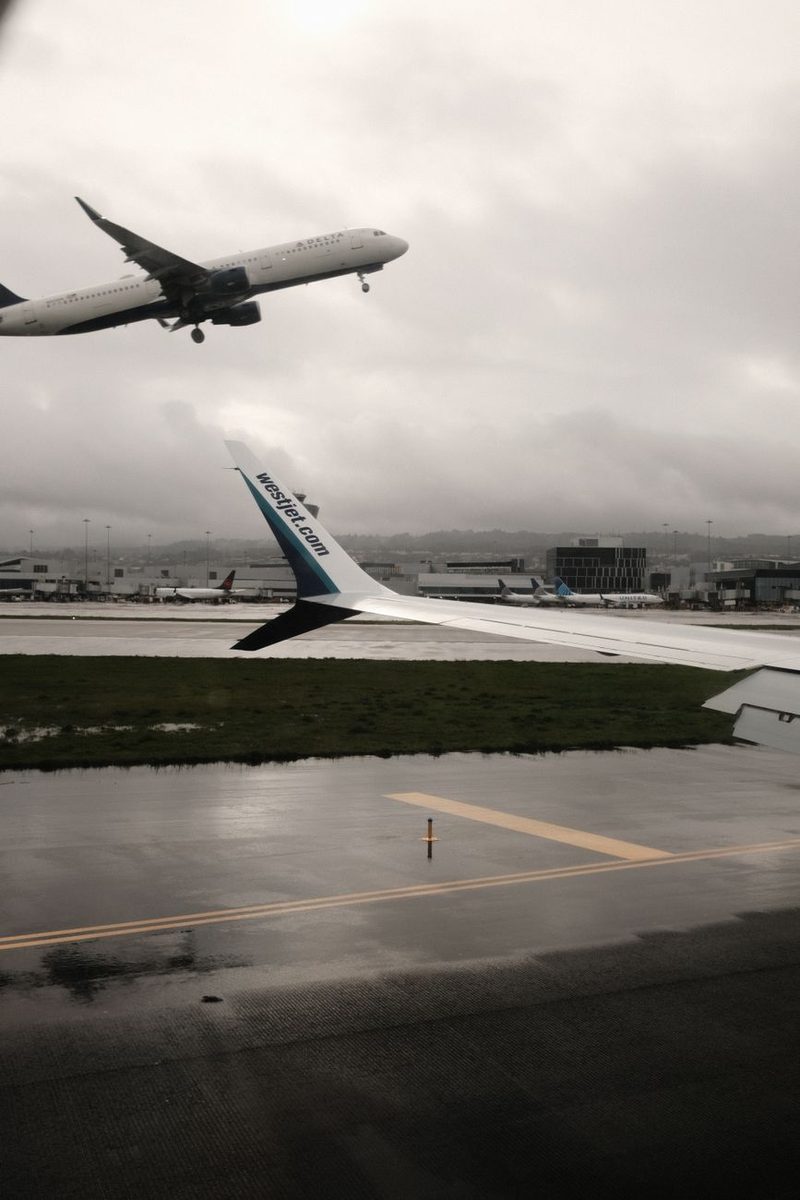
Airplane captured during takeoff at San Francisco International Airport on an overcast day.
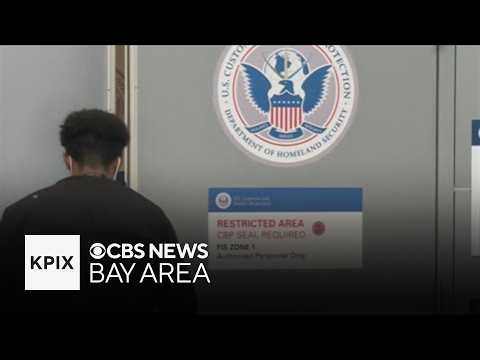
7.6K views
3:42
ICE keeping detainees at SFO for days, San Francisco ...
KPIX | CBS NEWS BAY AREA
5.0K views
2:35
ICE arrests in SF Bay Area area up nearly 70%, data shows
ABC7 News Bay Area

16.9K views
5:47
Why Green Card Holders Are Being Detained at Airports in 2025
Ashoori Law
Images from Openverse under Creative Commons licenses. Videos from YouTube.
Voices
Curated perspectives — historical figures and your fellow readers.
Play
Exploring all sides of a story is often best achieved with Play.
Most of these play right now — no account needed. Sign up to save scores, keep a streak, and unlock Debate and Predict.
Log in
Sign Up
Higher or Lower
A number from this story, against one from elsewhere in the news — guess which is bigger, then keep the chain going. 5 rounds, 3 strikes; a miss costs a strike and resets your streak.
Example
Anchor
EU tariff revenue
$52B
Big for this kind of number
Mystery
Pentagon AI contract
?
Round 1
Streak: 0
Mystery
?
Keyboard: ↓/L lower · ↑/H higher
0 pts
Best streak: 0 · Rounds: 0
0 points — sign up to put that on the leaderboard.
Now try on this story
Timeline
ICE detains immigrants at SFO beyond 72-hour limit
Order five events from this story, oldest at top. Each in the right slot scores 1 — neighbours within one slot count too. Your previous result — green ✓ for exact slots, yellow ~ for off by one. Cards now in true chronological order.
Loading puzzle…
Tap 💡 Free hint to lock the oldest into slot 1 — that leaves just four to order. Type pills are clues.
0/5
Exact slot
0/5
Within 1
Sign up to save your score and track a streak across stories.
Now try on this story
Connections
Sixteen names from the news. Find the four hidden groups of four. Four mistakes max.
Loading today's puzzle…
0/4 groups
Mistakes
Sign up to keep a daily streak — a new puzzle lands every day.
Now try on this story
Exit debate?
Your progress in this debate will be lost.
How it works
- 1 Two AI personas square off on this story.
- 2 You predict who'll win each round — correct picks earn XP.
- 3 One crossfire question is yours to fire. Pick it carefully.
Couldn't generate a topic
Select Your Champions
Choose one persona for each side of the debate
DEBATE TOPIC
Choose personas with different perspectives for a more dynamic debate.
SIDE A (PRO)
Select debater for this side:
No debate personas available right now.
SIDE B (CON)
Select debater for this side:
No debate personas available right now.
VS
Get ready to make your prediction...
Round of
Claim
Evidence
Stakes
Crossfire Answer
Closing Statement
Claim
Evidence
Stakes
Crossfire Answer
Closing Statement
Your Crossfire Question
Generating arguments...
Who's Got This Round?
Make your prediction before the referee scores
The referee scores both sides on
Correct predictions earn +20 XP
· Press 1 or 2 to pick
Evidence
40%
Logic
30%
Detail
20%
Style
10%
Round Results
Your Pick
Not this time
(%)
Overall Score
/10
Your Pick
Not this time
(%)
Overall Score
/10
Set the Crossfire
Pick the question both personas must answer in the final round
Crafting crossfire questions...
Choosing a question earns +10 XP crossfire bonus
🏆
Total XP Earned
Cred Change
Predictions
Debate Oracle! You called every round!
Sharp Instincts! You know your debaters!
The Coin Flip Strategist! Perfectly balanced!
The Contrarian! Bold predictions!
Inverse Genius! Try betting the opposite next time!
XP Breakdown
Base completion
+20 XP
Rounds played ( rounds x 5 XP)
+ XP
Correct predictions ( correct x 20 XP)
+ XP
Crossfire bonus
+10 XP
Accuracy
%
Prediction History
Round
You picked:
✓
✗
Now try on this story
Keep debating to level up your credibility and unlock achievements
People Involved
Organizations Involved
U.S. Immigration and Customs Enforcement
Federal Agency
Conducting enforcement and transfers from airports
Enforces federal immigration laws, including detention and removal.
U.S. Customs and Border Protection
Federal Agency
Operates the SFO holding facility and sets detention standards
Manages U.S. borders and airports, including initial immigration screening.
Timeline
January 2025 September 2026
5 events
Latest: 3 days ago
Tap a bar to jump to that date
-
SFist reports on SFO detentions and conditions
Latest News ReportStory publishes, detailing the holding area's makeshift conditions, legal concerns, and government response.
-
Mullin admitted to CBP facility, sees five detainees
OversightAfter being turned away, Mullin gains access six days later. Officers acknowledge the policy shift and mention weekend court closures extending holds.
-
Rep. Mullin's first attempt to inspect facility refused
OversightCBP rejects Mullin's visit request despite federal law permitting member inspections without advance notice.
-
25 people held at SFO beyond 72 hours through July
Data ReportThe San Francisco Chronicle compiles federal data showing 25 detentions at SFO lasting over three days, 19 of them green-card holders. 18 were later transferred to ICE custody.
-
CBP shifts away from deferred inspection at SFO
Policy ShiftAttorneys report that green-card holders increasingly are held at the airport rather than released with court appointments. Federal officers later acknowledge this to Rep. Mullin.
Historical Context
3 moments from history that rhyme with this story — and how they unfolded.
September 2001 – 2003
Post-9/11 Preventive Detention (2001-2003)
In the wake of 9/11, the government detained hundreds of non-citizens for immigration violations, often incommunicado and for months, under sweeping national security powers. Many were held without specific evidence of wrongdoing.
Then
Civil liberties groups filed lawsuits; several detainees were deported; conditions were criticized by the Justice Department's inspector general.
Now
Set a precedent for extended immigration detention during emergencies, raising ongoing concerns about executive discretion.
Why this matters now
The current holds echo these earlier practices, where administrative detention extended beyond stated standards, attracting legal and political scrutiny.
April-June 2018
Family Separation Policy (2018)
The Trump administration's 'zero tolerance' policy led to the separation of thousands of migrant families at the U.S.-Mexico border. Parents were prosecuted, children placed in government custody, and the policy was ended by executive order amid public outcry.
Then
Massive legal challenges and a court order requiring reunification.
Now
The episode demonstrated how administrative policy shifts can exceed legal and ethical bounds without explicit legislation, later prompting oversight and reform attempts.
Why this matters now
Like family separation, the SFO detentions exemplify a sudden administrative change in enforcement that strains established procedural safeguards, raising questions of legality and human rights.
Decades up to 2024
Deferred Inspection Practice (pre-2025)
For years, arriving travelers with minor immigration issues were processed at airports and released with a deferred inspection appointment, giving them weeks to obtain court records and meet with officers, often with an attorney present. This avoided long airport detentions.
Then
Travelers could enter the country temporarily while resolving status questions.
Now
The policy reduced the need for expedited judicial review and allowed due process to proceed without physical custody.
Why this matters now
The current shift away from deferred inspection marks a reversal of a well-established practice, turning routine airport entry into a detention event.
Sources
(2)Related Stories
The fight over who gets a bond hearing
Rule Changes
Updated 6 days ago
ICE blocks congressional oversight after fatal Minneapolis shooting
Force in Play
Updated May 20
The closing door: America's legal immigration freeze
Rule Changes
Updated May 23
Department of Homeland Security shutdown over immigration enforcement
Rule Changes
Updated May 29
Chicago’s ICE crackdown hits a wall of judges
Rule Changes
Updated May 15
DHS pulls the plug on family reunification parole—a legal pathway turns into a 30-day countdown
Rule Changes
Updated May 15