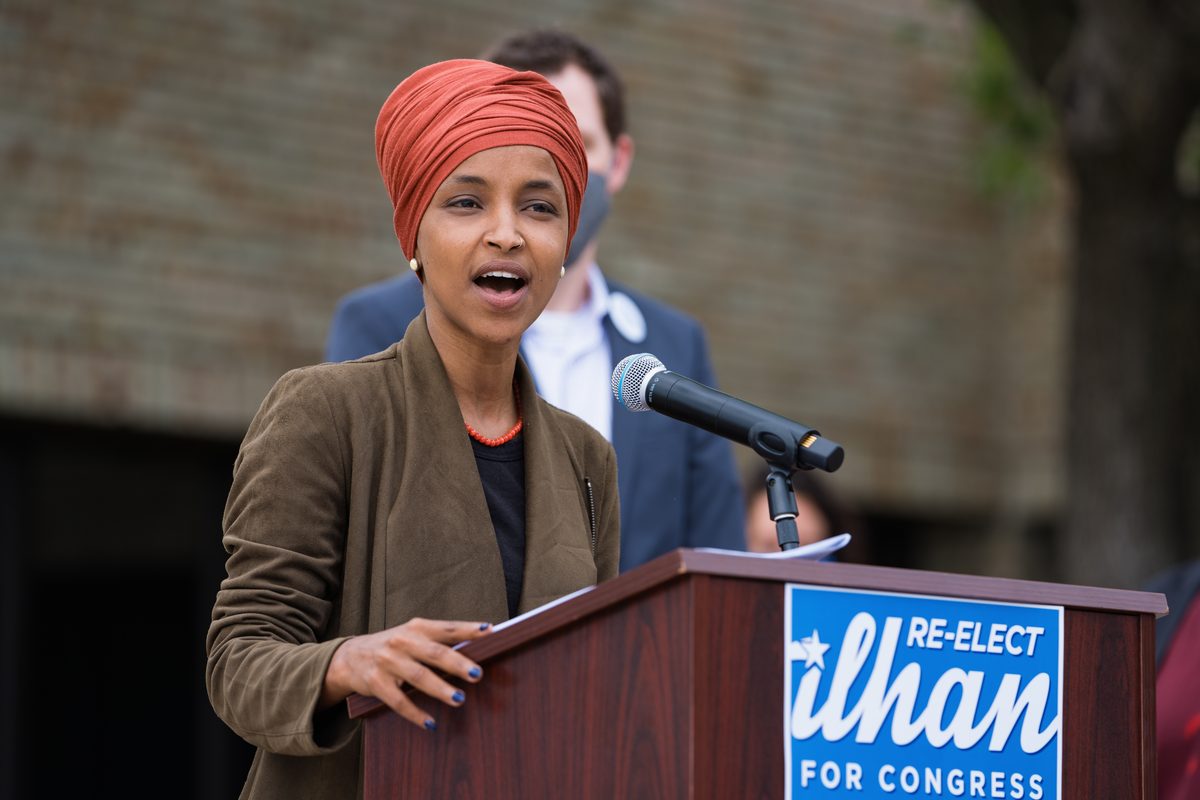
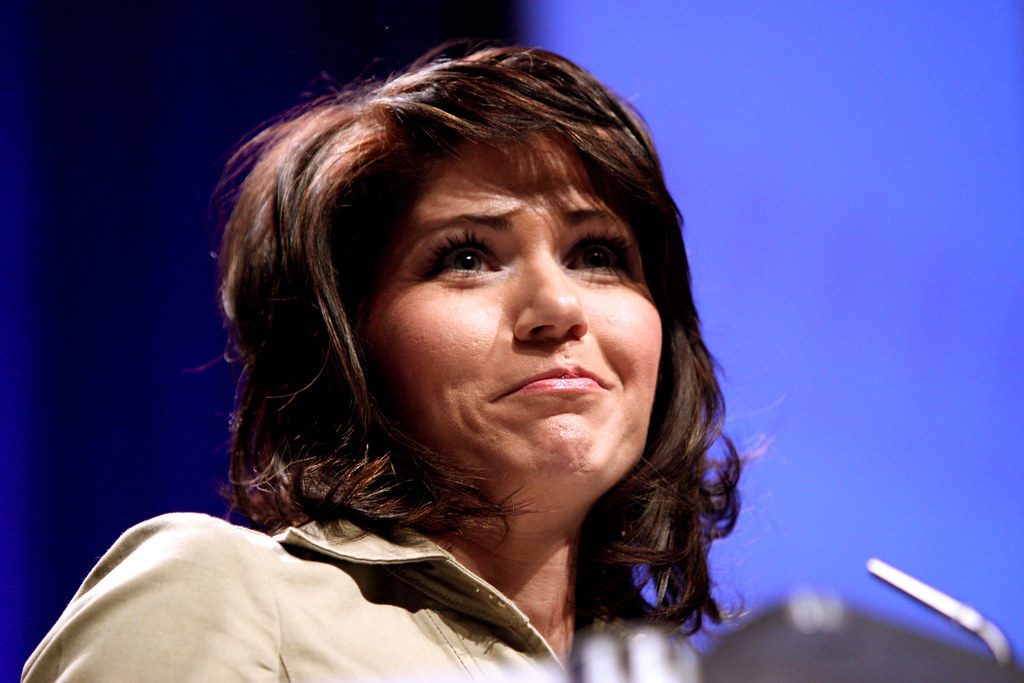
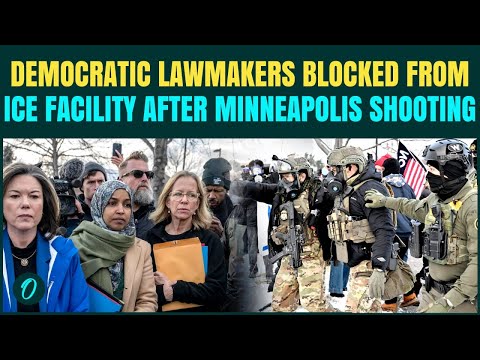
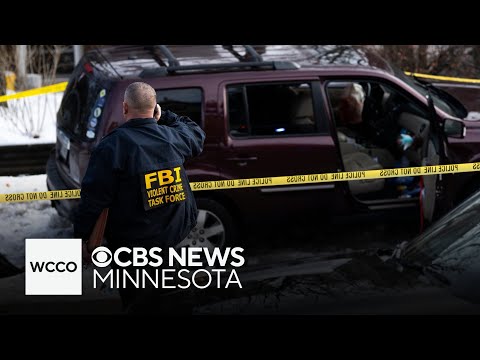
Three Minnesota congresswomen entered a Minneapolis ICE detention center on January 10 but were ordered out minutes later. They'd come three days after an ICE agent shot 37-year-old U.S. citizen Renee Good in the head during what the Trump administration called the largest immigration enforcement operation ever. DHS Secretary Kristi Noem secretly signed a seven-day notice rule the day after Good's killing—a rule a federal judge had already blocked—and Judge Jia Cobb refused to block it on January 20.
Border Patrol agents killed 37-year-old ICU nurse Alex Pretti on January 24—the third federal shooting in Minneapolis in three weeks—and impeachment support jumped to 162 House Democrats, three-fourths of the caucus. FBI supervisor Tracee Mergen resigned January 24 after being pressured to discontinue the Good investigation and shift focus to the victims' actions, and six federal prosecutors quit over investigation concerns. On January 29, Democrats struck a deal separating DHS funding into two weeks, demanding body cameras, ID requirements, and warrant standards before approving full-year funding, with Jeffries's ultimatum: fire Noem or face impeachment.
Questions about this story
Free account needed to ask — your question is kept and asked for you right after sign-up. Answers are public.
No questions yet — be the first to ask.
Key Indicators
162
House Democrats supporting impeachment
Three-fourths of caucus co-sponsoring articles against Noem after Pretti killing
3
Federal shootings in Minneapolis
ICE and Border Patrol killed two U.S. citizens in three weeks
7
Federal officials resigned
FBI supervisor and six Minnesota prosecutors quit over investigation handling
2,000+
ICE agents deployed to Minneapolis
Hundreds more arriving as operation expands beyond largest in history
Jan 29
Shutdown deal struck
Two-week DHS funding extension while Democrats demand ICE reforms
Images from Openverse under Creative Commons licenses.
Videos from YouTube.
Voices
Curated perspectives — historical figures and your fellow readers.
Ayn Rand
(1905-1982) ·Cold War · philosophy
Fictional AI pastiche — not real quote.
"A government agent kills a citizen, then her superiors deploy fencing to protect themselves from accountability while blocking those with the constitutional authority to investigate—this is not law enforcement, but the primitive spectacle of force worshipping itself. When bureaucrats must fortify their buildings against the people they claim to serve, they have already confessed that their power rests not on justice, but on the barrel of a gun pointed in every direction."
0% found this insightful
Dorothy Parker
(1893-1967) ·Jazz Age · wit
Fictional AI pastiche — not real quote.
"They've discovered a novel constitutional principle: when Congress comes knocking after you've shot a citizen in the head, simply declare the door locked by a rule you invented yesterday. I'd call it Kafkaesque, but Kafka had the decency to make his bureaucrats merely indifferent, not homicidal."
0% found this insightful
Ever wondered what historical figures would say about today's headlines?
Sign up to generate historical perspectives on this story.
30 events
Latest: January 29th, 2026 · 8 months ago
Showing 8 of 30
JK to step
Tap a bar to jump to that date
January 2026
Senate Strikes Deal to Avert Shutdown
LatestPolitical
Democrats and White House agree to two-week DHS funding extension while negotiating ICE reforms. Main government funded through September 30. Democrats demand body cameras, identification requirements, end to roving patrols, and warrant standards before approving full-year DHS funding.
Impeachment Support Reaches Three-Fourths of House Democrats
Political
Kelly's impeachment resolution gains 162 co-sponsors—three-fourths of House Democratic caucus. Surge of 20 new co-sponsors follows Pretti killing. Articles cite obstruction of Congress, violation of public trust, and self-dealing including misuse of $200 million for ICE recruitment ads.
Jeffries Issues Impeachment Ultimatum
Political
House Minority Leader Hakeem Jeffries declares Democrats will commence impeachment proceedings if Trump doesn't fire Noem. Says 'Kristi Noem should be fired immediately, or we will commence impeachment proceedings in the House of Representatives.'
Border Patrol Kills ICU Nurse Alex Pretti
Force
Border Patrol agents fire 10 shots in five seconds, killing 37-year-old VA hospital ICU nurse Alex Pretti at 26th and Nicollet in Minneapolis Whittier neighborhood. DHS claims Pretti 'approached' agents with handgun. Verified videos show Pretti holding phone in right hand, nothing in left, before shooting. Forensic audio analysis confirms 10 shots fired. Pretti was lawful gun owner with carry permit and no criminal record. Third federal shooting in Minneapolis in three weeks.
FBI Supervisor Resigns Over Good Investigation Pressure
Investigation
Tracee Mergen, acting supervisor of FBI's Public Corruption Squad in Minneapolis, resigns after leadership pressures her to 'reclassify/discontinue' Good investigation. Sources say Mergen 'would not bow to pressure' from higher-ups. Trump administration shifted investigation focus to Good and her partner's actions rather than ICE agent Jonathan Ross. Deputy AG Todd Blanche says 'currently no basis' for Civil Rights Division investigation. Six Minnesota U.S. Attorney's Office prosecutors also resigned over investigation direction.
Impeachment Support Reaches 142 House Democrats
Political
More than 20 new Democrats sign onto impeachment resolution, bringing total to 142 co-sponsors—two-thirds of House Democratic caucus. Represents dramatic surge from initial 9 co-sponsors.
Judge Cobb Refuses to Block Seven-Day Policy
Legal
Federal judge denies emergency motion to block DHS's seven-day notice requirement. Ruling based on procedural grounds—not proper avenue to challenge policy. Cobb explicitly states ruling is not 'any kind of finding that the policy is lawful.'
FBI Civil Rights Probe Disappeared
Investigation
Washington Post reports FBI opened civil rights investigation into Good shooting, but Justice Department now says no such case exists. Investigation appears to have been closed or reclassified without explanation.
Impeachment Resolution Reaches 100 Co-Sponsors
Political
Kelly's impeachment articles against Noem reach 100 House co-sponsors within seven days of introduction, demonstrating rapid Democratic support.
Kelly Formally Introduces Impeachment Articles
Political
Rep. Robin Kelly formally files three articles of impeachment: Obstruction of Congress (withholding appropriated funds, blocking oversight), Violation of Public Trust (compromising safety, violating due process, directing unconstitutional actions), and Self-Dealing.
Judge Cobb Holds Hearing on DHS Funding Questions
Legal
At Wednesday hearing, Judge Cobb presses administration for answers on how DHS funds implementation of seven-day notice guidance. Hearing ends without ruling.
DOJ Civil Rights Division Leaders Resign in Protest
Political
Criminal section chief, principal deputy chief, deputy chief, and acting deputy chief resign after Assistant AG Harmeet Dhillon decides not to investigate ICE shooting of Renee Good despite video evidence.
Dhillon Disputes DOJ Resignation Narrative
Statement
Assistant AG Harmeet Dhillon calls reports of protest resignations 'fake news,' stating no division employee quit and departures were pre-planned retirements applied for before the shooting. Claims contradicted by multiple news organizations.
Democrats File Emergency Court Motion for Facility Access
Legal
Attorneys for congressional Democrats ask Judge Jia Cobb for emergency hearing, arguing Noem's new seven-day policy violates December court order and federal appropriations law prohibiting DHS from blocking oversight.
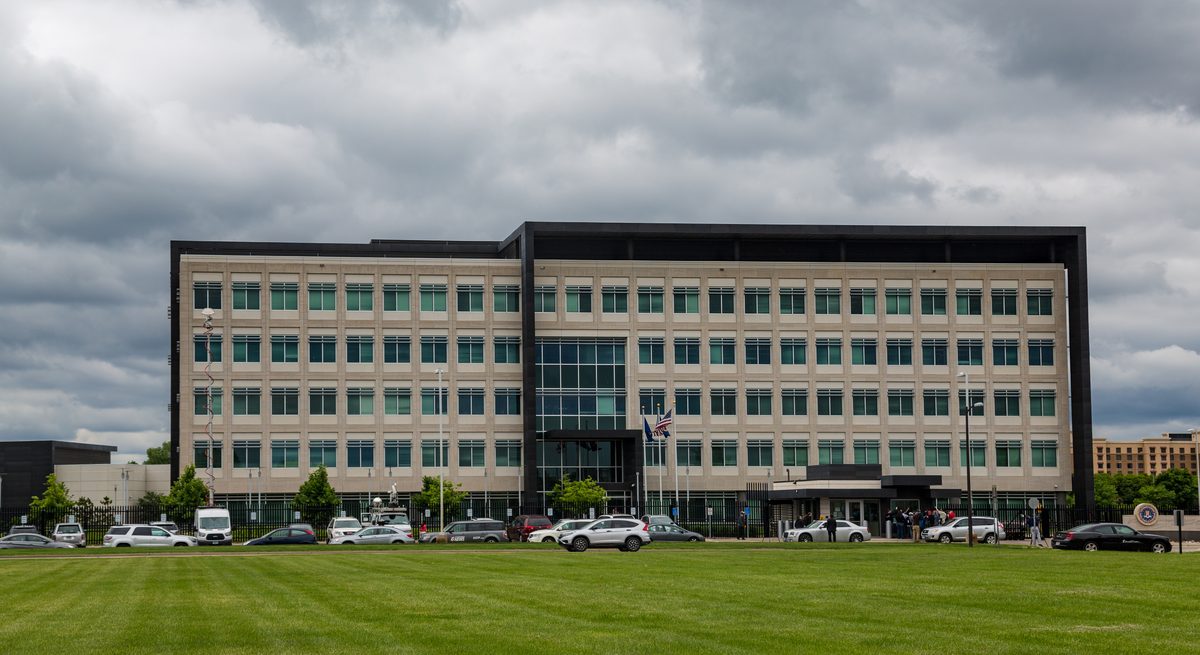
Whipple Building Fortified with Barriers and Fencing
Security
Masked workers install fencing and concrete barriers around Whipple Federal Building as hundreds more federal agents arrive in Minnesota, expanding operation beyond original 2,000.
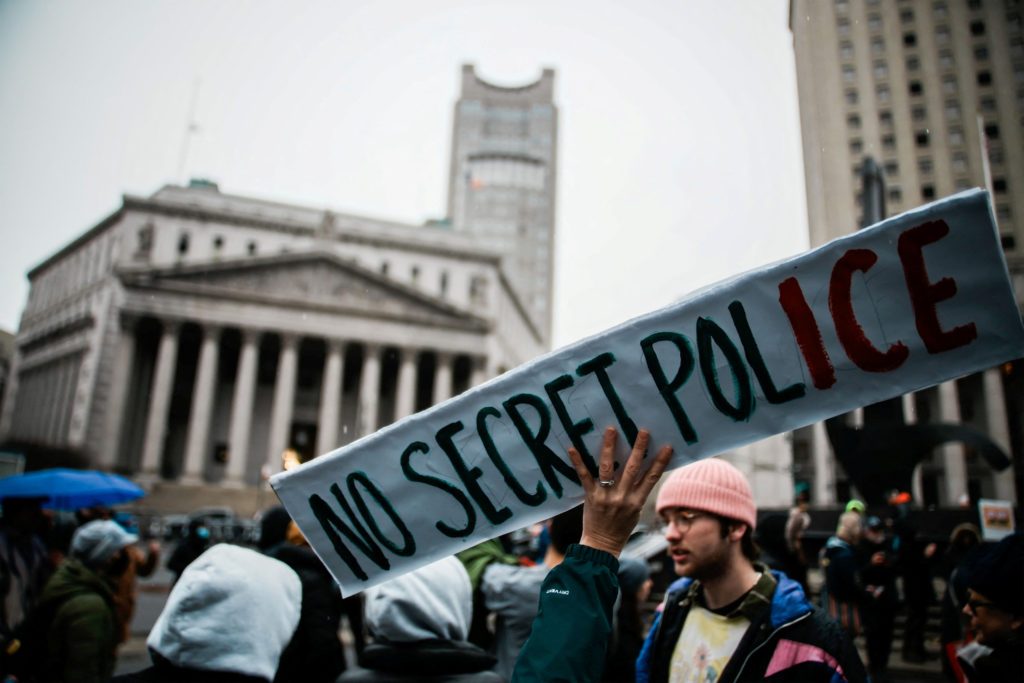
Nationwide 'ICE Out for Good' Protests Conclude
Protest
More than 1,000 demonstrations held across U.S. during Jan 10-11 weekend. Minneapolis protests drew thousands to Powderhorn Park, historic site of 2020 George Floyd protests. ACLU reports overwhelming peaceful actions.
DHS Confirms Noem Secretly Signed Seven-Day Policy
Policy
NPR obtains memo showing Noem instructed staff on seven-day advance notice requirement for congressional visits on January 8—one day after Good's killing, despite December court ruling blocking identical policy.
Three Congresswomen Denied Access to ICE Detention Facility
Oversight
Reps. Omar, Craig, and Morrison initially allowed into Whipple Federal Building, then ordered out after witnessing 20 detainees in facility without beds. DHS cites seven-day notice rule already blocked by court.
1,000+ Nationwide Protests Planned
Protest
'ICE Out for Good' demonstrations organized in response to Good shooting. ACLU, MoveOn, United We Dream among organizing groups. 29 arrested during overnight Minneapolis protests.
Impeachment Calls Against Noem Intensify
Political
House Judiciary ranking member Jamie Raskin cites 'rising clamor' for Noem impeachment. Rep. Robin Kelly announces plans to push forward. Good family GoFundMe reaches $1.5M.
ICE Officer Cellphone Video Released
Evidence
Cellphone footage from ICE agent's perspective shows three shots fired through windshield. Mayor Frey dismisses DHS narrative, says agent walked away with 'hop in his step.'
DOJ Civil Rights Division Declines Investigation
Investigation
Assistant Attorney General Harmeet Dhillon decides Civil Rights Division will not investigate whether ICE agent improperly used deadly force. Decision triggers mass resignations among senior prosecutors.
FBI Blocks State Investigation
Investigation
FBI revokes Minnesota BCA access to shooting evidence hours after agreeing to joint investigation. DOJ Civil Rights Division also excluded from case. State prosecutors vow independent review.
Portland Border Patrol Shooting
Force
CBP agent shoots two people in Portland during enforcement operation. Like Minneapolis, officials claim motorists weaponized vehicle. Six arrested during protests at ICE facility.
Minneapolis Protests Escalate
Protest
11 protesters arrested outside Whipple Federal Building on assault and obstruction charges. DHS says 600 protesters gathered, some blocking vehicles and assaulting officers.
Rep. Robin Kelly Announces Impeachment Articles
Political
Illinois Rep. Robin Kelly announces plans to impeach DHS Secretary Noem for 'obstruction of justice, violation of public trust, and self-dealing.' Nine House Democrats sign on as co-sponsors.
ICE Agent Kills U.S. Citizen Renee Good
Force
ICE agent shoots 37-year-old writer and mother of three in the head during Minneapolis operation. DHS claims self-defense; Mayor Frey calls claim 'bullshit' after viewing video. Good's ninth ICE shooting victim since September 2025.
Noem Labels Shooting 'Domestic Terrorism'
Statement
DHS Secretary immediately characterizes Good's death as domestic terrorism, claiming she stalked and impeded agents all day. Minneapolis leaders demand transparent investigation.
DHS Launches Largest Immigration Operation Ever
Enforcement
2,000 federal agents deploy to Minneapolis for 30-day surge operation. DHS Secretary Kristi Noem personally participates in arrests. Acting Director calls it ICE's largest operation in history.
December 2025
Judge Blocks DHS Seven-Day Notice Policy
Legal
Federal court rules DHS likely overstepped authority with policy requiring seven-day notice for congressional detention facility visits, violating appropriations law mandating unannounced access.
Scenarios
1
Congress Sues DHS, Forces Facility Access
Likely
Discussed by: Legal experts cited by Democracy Forward, precedent from December 2025 lawsuit by dozen House members
Congressional Democrats file emergency lawsuit seeking immediate access to detention facilities, citing appropriations law and the December court ruling blocking the seven-day notice policy. Courts grant preliminary injunction forcing DHS to allow unannounced oversight visits. Inspection revelations about detention conditions fuel impeachment momentum against Noem and spark legislative push to restrict ICE enforcement operations. Similar to successful legal challenges that reversed earlier Trump administration access restrictions.
2
DOJ Clears ICE Agent, Protests Escalate Into Violence
Possible
Discussed by: Concern expressed by Rep. Jasmine Crockett warning of 'state-sanctioned execution,' protest organizers planning sustained actions
FBI investigation concludes shooting was justified self-defense. With Civil Rights Division excluded and state investigators blocked, no independent review challenges federal narrative. Cellphone video evidence dismissed. Decision triggers sustained civil unrest beyond initial 1,000 protests. Some demonstrations turn destructive, giving Trump administration pretext for expanded federal law enforcement deployment. Omar's prediction of martial law becomes self-fulfilling prophecy. Congressional oversight remains blocked as crisis deepens.
3
Minnesota BCA Reveals Contradictory Evidence, Political Crisis Deepens
Possible
Discussed by: Minnesota state prosecutors vowing independent review despite FBI obstruction, Minneapolis Mayor Frey demanding state involvement
Despite FBI blocking access, Minnesota investigators piece together independent case from witness interviews, public videos, and forensic analysis. BCA releases report directly contradicting federal self-defense narrative, showing Good posed no threat. Evidence of execution-style shooting emerges. Minnesota AG Keith Ellison calls for state murder charges against ICE agent, creating constitutional crisis over whether states can prosecute federal agents. Noem faces near-certain impeachment. Split deepens between federal enforcement and blue state/city governments refusing cooperation.
4
Oversight Stalemate Continues, Story Fades
Uncertain
Discussed by: Pattern observed in previous Trump administration access denials that generated outrage but limited consequences
Congressional lawsuit moves slowly through courts. Media attention shifts. The 1,000 planned protests happen but lack sustained momentum. No dramatic new evidence emerges. FBI investigation drags on for months without conclusion. Democrats lack votes for Noem impeachment in Republican House. ICE continues blocking facility access while enforcement operations proceed. The constitutional question of whether Congress can actually oversee executive branch use of force remains unresolved. Good's family lawsuit becomes the only accountability mechanism, settled quietly years later.
5
House Democrats Launch Formal Impeachment Proceedings
Likely
Discussed by: House Minority Leader Hakeem Jeffries in January 27 statement, 142 House Democrats co-sponsoring articles
With two-thirds of House Democrats backing impeachment and Jeffries's ultimatum delivered, Democrats commence formal proceedings against Noem. Republican House majority blocks advancement, but impeachment hearings create sustained pressure. Public testimony reveals details about blocked oversight, disputed shooting investigation, and policy violations. Process becomes referendum on executive accountability during immigration enforcement. Similar to 2019 Trump impeachment—passed House on party lines, died in Senate, but shaped political narrative.
6
Government Shutdown Over ICE Accountability
Possible
Discussed by: Senate Democrats negotiating two-week DHS funding deal, five previously moderate Democrats now willing to risk shutdown
Two-week DHS funding extension expires mid-February with no agreement on Democratic demands for body cameras, identification requirements, warrant standards, and end to roving patrols. Democrats refuse to pass full-year DHS funding without reforms. Partial government shutdown ensues, becoming referendum on federal immigration enforcement accountability. Public pressure builds as shutdown continues, with polls showing 66% of Americans believe ICE agent who killed Good should be investigated. Either administration concedes reforms or Republicans find three defectors to pass funding without Democrats.
7
Mass Exodus From Federal Law Enforcement Investigations
Possible
Discussed by: Pattern emerging with FBI supervisor Mergen, six Minnesota prosecutors, four DOJ Civil Rights officials all resigning over investigation interference
Tracee Mergen's resignation triggers broader revolt among federal investigators and prosecutors unwilling to participate in what they view as cover-up of federal use of force. More FBI agents and federal prosecutors resign or request transfers. Career officials refuse to sign off on politically-directed investigative decisions. Investigation capacity at FBI Minneapolis field office and Minnesota U.S. Attorney degrades. Creates vacuum where no credible federal investigation of Good or Pretti shootings proceeds, leaving only Minnesota state review and civil litigation as accountability mechanisms.
Historical Context
3 moments from history that rhyme with this story — and how they unfolded.
1 of 3
2003-2004
Abu Ghraib Prison Scandal (2004)
U.S. military personnel abused detainees at Abu Ghraib prison in Iraq. Initial Pentagon denials crumbled when photographic evidence leaked. Congress launched bipartisan investigation despite military resistance. Senate Armed Services Committee conducted five-year inquiry. Four congressional delegations eventually visited Abu Ghraib to view conditions firsthand, though Human Rights Watch and other outside groups were denied access.
Then
Multiple military personnel prosecuted. Defense Secretary Donald Rumsfeld nearly resigned. Extensive congressional hearings exposed systemic detention and interrogation policy failures.
Now
Reformed military detention policies. Established precedent that congressional oversight can pierce executive branch resistance during national security operations, though implementation remains contested.
Why this matters now
Both cases involve federal detention, officials blocking independent oversight, and competing narratives about use of force. Key difference: congressional Republicans eventually joined Abu Ghraib oversight. Today's partisan divide means oversight itself has become the battleground.
2 of 3
2018-2019
Border Facility Family Separations (2018-2019)
First Trump administration separated migrant children from families at border. Multiple Congress members attempted facility inspections. Some were turned away. Rep. Jason Crow was denied entry to Aurora detention facility for 24 days. The administration initially claimed members lacked authority for unannounced visits. Congressional outrage led to appropriations language explicitly mandating access without notice—the same law DHS is now violating.
Then
Public outcry forced policy reversal on family separations. Congress embedded facility access rights in appropriations law. Courts affirmed congressional oversight authority.
Now
Legal framework established that DHS now openly defies. Demonstrated that appropriations restrictions and court rulings mean little without enforcement mechanism. Congressional oversight depends on executive branch voluntary compliance.
Why this matters now
This is the sequel. The Trump administration learned that legal defeats don't matter if you simply ignore them. They're using the exact seven-day notice policy that courts blocked, betting Congress won't or can't enforce its own laws during active enforcement operations.
3 of 3
May 1970
Kent State Shootings (1970)
Ohio National Guard shot college students protesting Vietnam War, killing four. Nixon administration initially claimed self-defense, saying Guardsmen faced violent mob. Investigations revealed students were retreating, some shot from hundreds of feet away. FBI investigation was widely seen as whitewash. Congressional hearings exposed contradictions. Civil lawsuits forced release of suppressed evidence.
Then
Nationwide college strikes. Public opinion turned against Vietnam War. FBI and DOJ investigations resulted in no prosecutions, though civil suits later succeeded.
Now
Established pattern where federal investigations of federal force protect federal agents, while independent review reveals contradictory evidence. Civil litigation becomes primary accountability mechanism when official investigations fail.
Why this matters now
Federal authorities killing citizens, claiming self-defense, blocking independent investigation while conducting their own exoneration. Mayor Frey's 'bullshit' echoes the credibility collapse when official narratives collide with video evidence. If FBI clears the ICE agent while blocking Minnesota investigators, the Kent State playbook repeats.