



Pull to refresh
Logo
A solar-funded super PAC defeats clean energy opponents and sets sights on 2028

A solar-funded super PAC defeats clean energy opponents and sets sights on 2028

Force in Play

The Invest in Tomorrow Coalition spent $17 million in the 2026 midterms and says it won 19 of the 23 races it contested.

Overview

Updated 1 hour ago

For years, voting against solar and wind carried little political cost in Congress. In 2026, a super PAC funded by solar investors spent $17 million to change that, and most of its targets lost.

Democrats now control both chambers, so the next energy fights will play out inside a party that already supports clean power. The PAC says it is not finished: it is already pointing at the 2028 primaries.

Why it matters

If the threat holds, lawmakers may think twice before voting to cut clean energy incentives, or the tactic may prove a one-off.

Questions about this story

Free account needed to ask — your question is kept and asked for you right after sign-up. Answers are public.

No questions yet — be the first to ask.

Key Indicators

$17M
Spent across the 2026 cycle
The PAC's total outlay, including primary and general election races.
83%
Claimed win rate
19 wins out of 23 races, by the PAC's own count.
6 of 6
Primary races won
Every primary the PAC targeted ended the way it wanted.
13 of 17
General election races won
Count includes Lauren Boebert's apparent, not final, loss in Colorado.
40%
IRA repeal letter signers not returning
Share of Republicans who signed a May 2025 repeal letter who lost their seats.

Voices

Curated perspectives — historical figures and your fellow readers.

Sign up to generate historical perspectives on this story.

People Involved

Organizations Involved

Timeline

May 2025 November 2026

6 events Latest: Today
Tap a bar to jump to that date
  1. PAC reports 19 wins in 23 races and eyes 2028

    Today Politics

    The group says it spent $17 million and will keep targeting opponents in the next presidential cycle.

  2. Democrats win both chambers; PAC wins most targeted races

    Election

    Democrats take the House and Senate. The PAC sees its desired outcome in 13 of 17 targeted races.

  3. PAC helps defeat three Republicans in primaries

    Election

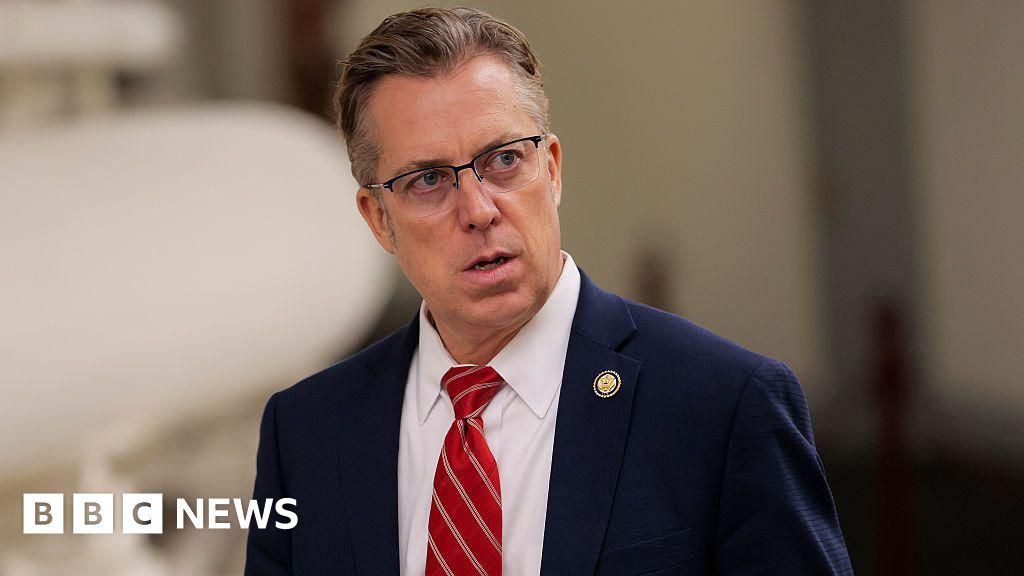
    Targets including Andy Ogles lose; the PAC spends $2 million in his Tennessee race alone.

  4. Invest in Tomorrow Coalition launches

    Politics

    The solar-funded super PAC forms with a pledge to spend millions against clean energy opponents.

  5. Budget law cancels decade-long clean energy tax credit

    Legislation

    The One Big Beautiful Bill Act ends the credit, prompting clean energy investors to organize politically.

  6. Republicans sign letter urging full repeal of clean energy credits

    Legislation

    A group of Republican lawmakers calls for fully repealing the Inflation Reduction Act's energy incentives.

Scenarios

1

PAC spends again in the 2028 presidential primaries

Likely Resolves by Jun 6, 2028

Discussed by: Tom Matzzie and Canary Media

Matzzie says the group is 'not going away' and calls the 2028 primary a high-impact opening. If it follows through, the PAC would spend on ads and mailers in at least one presidential nominating contest, testing whether its midterm playbook scales to a national race.

2

Congress restores clean energy tax credits

Possible Resolves by End of 2027

Discussed by: League of Conservation Voters and Democratic lawmakers

With Democrats controlling both chambers, supporters point to bills such as the Energy Relief Act. Passage would partly reverse the 2025 cuts and test whether the PAC's electoral pressure translates into law.

3

PAC winds down after its 2026 wins

Unlikely Resolves by Q2 2028

Discussed by: Matzzie's remarks on wanting a 'boring' industry

Matzzie says he would prefer the clean energy industry become politically unremarkable. That could mean the PAC spends its credibility and stands down, treating the 2026 results as enough of a deterrent.

Historical Context

3 moments from history that rhyme with this story — and how they unfolded.

1994

National Rifle Association and the 1994 midterms

The NRA opposed the 1994 federal assault weapons ban and spent heavily against lawmakers who voted for it. Republicans won control of both chambers that November.

Then

The NRA and many analysts credited its spending with helping defeat several ban supporters.

Now

The episode became the standard example of an interest group punishing lawmakers and shaping how politicians weigh single-issue votes.

Why this matters now

The Invest in Tomorrow Coalition is trying to build the same kind of deterrent: a vote against clean energy should carry a known electoral cost.

2000s-2010s

Club for Growth primary challenges

The Club for Growth, a free-market PAC, backed primary challengers to Republicans it considered insufficiently conservative on taxes and spending. It spent millions in Senate and House primaries.

Then

Some incumbents lost, and the group became a feared player in Republican primaries.

Now

Its influence varied by cycle, and critics argued it sometimes produced weaker general election candidates.

Why this matters now

The PAC's primary wins show the same dynamic: outside money can end a lawmaker's career before the general election.

January 2010

Citizens United v. FEC (2010)

The Supreme Court ruled that corporations and unions could spend independently on political campaigns. The decision led to the modern super PAC, which can raise and spend unlimited sums as long as it does not coordinate directly with candidates.

Then

Super PACs proliferated in the 2012 election and became major spenders.

Now

Outside groups now routinely outspend candidates in individual races, as the clean energy PAC did in Indiana.

Why this matters now

The Invest in Tomorrow Coalition's $17 million campaign exists because of the legal opening Citizens United created.

Sources

(4)