

Pull to refresh
Logo
Energy Vault closes project financing for its first owned Texas battery plant

Energy Vault closes project financing for its first owned Texas battery plant

Money Moves

The 150 MW Sosa project in Madison County will sell into ERCOT's spot market with no customer signed

Overview

Updated 46 minutes ago

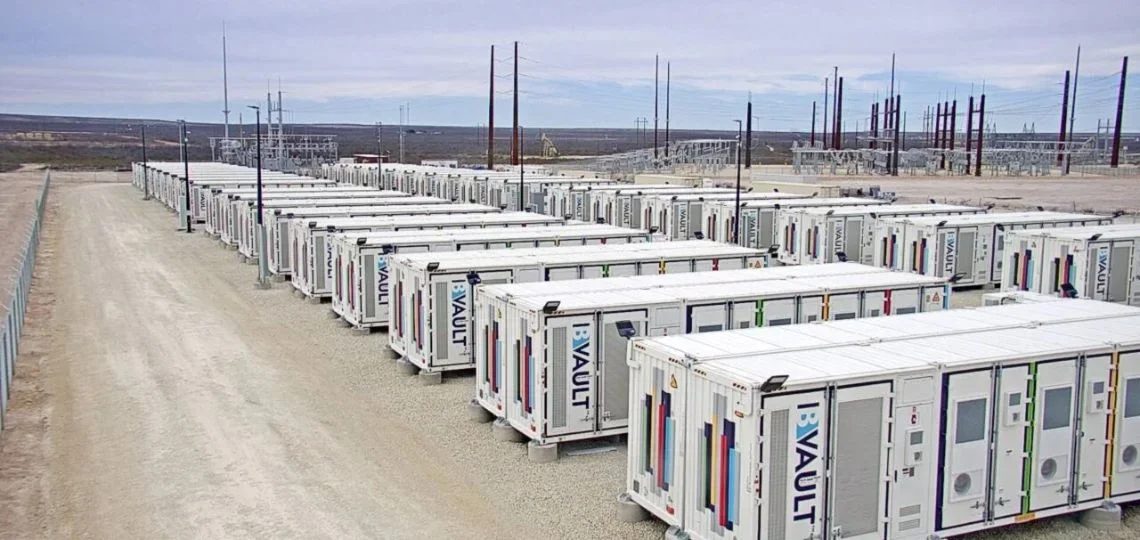
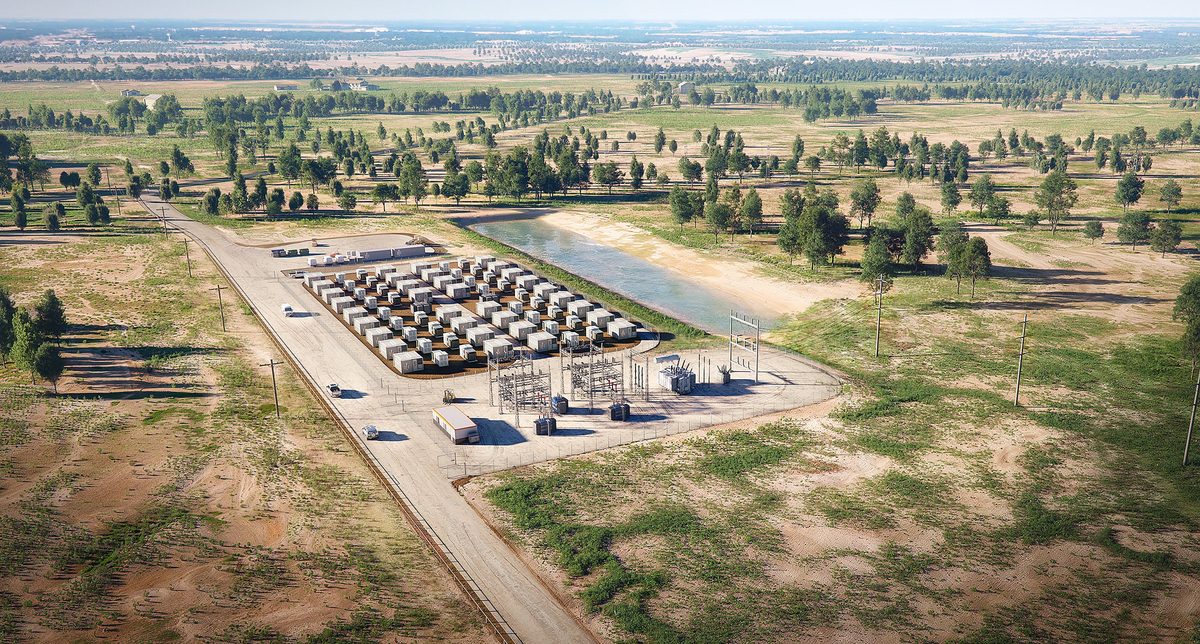
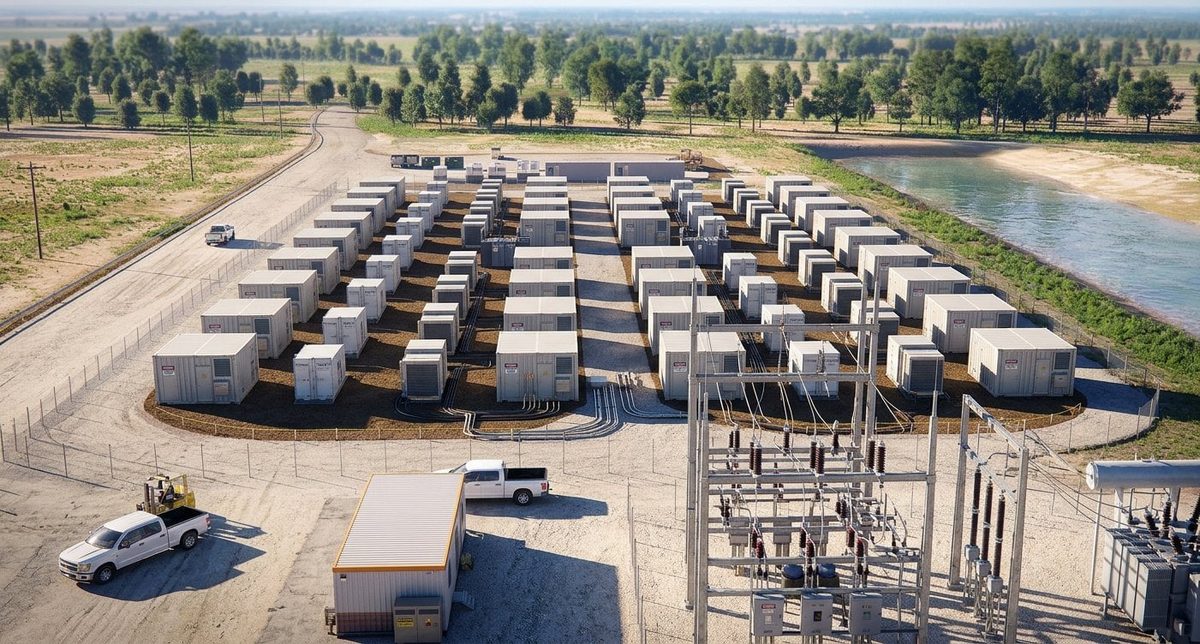
Energy Vault closed $78 million in construction and bridge financing for Sosa, a 150-megawatt battery plant in Madison County, Texas, that it will own instead of sell. No customer has signed up for the electricity. The plant will bid into the ERCOT North market at whatever the spot price pays.

That makes Sosa a test of whether grid-scale batteries can borrow like infrastructure when their revenue rides on Texas power prices. A bank, a preferred equity investor and an institutional partner in Energy Vault's Asset Vault holding company each put money in separately. Cory Magnuson, who runs Asset Vault, said the point was that each backed the project on its own fundamentals.

Why it matters

Texas has 22 gigawatts of batteries earning spot prices, not contract payments. Sosa tests whether that merchant model can carry ordinary project debt.

Questions about this story

Free account needed to ask — your question is kept and asked for you right after sign-up. Answers are public.

No questions yet — be the first to ask.

Key Indicators

$78M
Bridge and construction financing
Preferred equity bridge loan plus construction borrowing arranged with First-Citizens Bank.
$27.2M
Drawn at initial funding
Energy Vault drew this amount when the facility funded on November 19, 2026.
$79.6M
Third-party equity commitment
An unnamed investor committed this for Class A interests, funded in two installments.
3.80%
Annual preferred return to the equity investor
Paid on funded capital before the contractual distribution flip in year six.
300 MWh
Storage capacity
Two-hour duration at full power output.
150 MW
Power capacity
Rated discharge into the ERCOT North zone.
22,072 MW
Installed storage on the ERCOT grid
As of November 2026, per the grid operator's fact sheet.
65
Construction jobs
Expected local employment during the build.

Voices

Curated perspectives — historical figures and your fellow readers.

Sign up to generate historical perspectives on this story.

People Involved

Organizations Involved

Timeline

2025 November 2026

6 events Latest: Yesterday
Tap a bar to jump to that date
  1. Energy Vault announces the $78 million close

    Latest Announcement

    Civil work is finished, a substation is installed, and commercial operation is targeted for the third quarter of 2027.

  2. Bridge funds; Energy Vault draws $27.2 million

    Financing

    OIC funds roughly $38.3 million of its second tranche into Asset Vault the same day.

  3. Sosa credit agreement signed with First-Citizens

    Financing

    A $78 million preferred equity bridge loan and an $8.7 million letter of credit facility, secured on project assets and subsidiary equity.

  4. Third-quarter revenue falls 61% to $13.07 million

    Earnings

    Diluted loss comes in at $0.17 per share, against a shrinking equipment-sales book.

  5. Energy Vault and OIC create the Asset Vault platform

    Corporate

    A contribution and purchase agreement gives OIC equity in the vehicle meant to own storage assets instead of selling them.

  6. Sosa becomes Asset Vault's first acquisition

    Project

    Energy Vault takes over the Madison County site and starts construction in the fourth quarter.

Scenarios

1

Sosa enters commercial operation in the third quarter of 2027

Likely Resolves by Oct 31, 2027

Discussed by: Energy Vault's November 23 announcement

Energy Vault is building the plant itself and says major equipment arrives in the coming months, with civil work and the substation already done. Hitting the target matters beyond this project: it is the reference build for every future Asset Vault asset.

2

Sosa signs a contracted offtake deal before startup

Possible Resolves by Q3 2027

Discussed by: Energy Vault, which says the project retains flexibility to contract as market conditions evolve

The project is financed on merchant revenue, but the agreements leave room to convert to a fixed-price deal. A signed purchase or tolling agreement would cut revenue volatility and make refinancing easier, at the cost of upside.

3

Energy Vault misses the December 2027 in-service deadline and triggers a repurchase

Unlikely Resolves by Jan 31, 2028

Discussed by: The Sosa partnership agreements, which set the deadline and the remedy

If the plant is not placed in service by December 31, 2027, either member can start a repurchase process. Unless the project starts within 30 days of that notice, the investor must be paid 108% of its funded contributions, with an Energy Vault affiliate covering any shortfall.

4

The equity investor funds its second installment on schedule

Likely Resolves by Q2 2028

Discussed by: The Sosa financing agreements

Only 20% of the $79.6 million commitment arrived at the first installment. The remaining 80% depends on mechanical completion, project completion and tax-credit conditions, with a May 30, 2028 deadline that can slide 30 days for a fee.

Historical Context

3 moments from history that rhyme with this story — and how they unfolded.

1998-2005

Merchant gas plants and the Calpine bankruptcy (1998-2005)

Independent developers built tens of thousands of megawatts of gas-fired plants on the bet that wholesale power markets would pay enough to service the debt. Calpine became the largest of them, assembling a merchant fleet with no regulated customers behind it.

Then

Calpine filed for Chapter 11 protection in December 2005 after gas costs rose faster than the power prices its plants could charge.

Now

The plants kept running under new owners, many of them regulated utilities or contracted portfolios. Merchant construction slowed sharply for a decade.

Why this matters now

Sosa is the same wager in a different technology: debt sized against unhedged wholesale revenue in an energy-only market.

2014-2016

SunEdison and the yieldco collapse (2014-2016)

SunEdison grew by promising to drop completed renewable projects into a publicly traded affiliate, TerraForm Power, that paid dividends from long-term contracts. Investors valued the parent on its pace of acquisitions rather than on cash generated.

Then

The acquisition pace outran the cash. SunEdison filed for Chapter 11 in April 2016 and TerraForm's shares collapsed.

Now

Yieldcos survived, but investors now judge them on contract length and counterparty credit rather than growth targets.

Why this matters now

Asset Vault is a version of the same structure. Its difference, and its risk, is that Sosa starts with no contracts to drop in.

January 2002

Texas opens its electricity market to competition (2002)

Texas restructured retail electricity and left ERCOT as an energy-only market, paying generators for power delivered rather than for capacity held in reserve. Regulators bet that scarcity prices would pull in enough generation.

Then

The design attracted heavy investment in gas, then wind and solar, and produced occasional price spikes to the market's offer cap.

Now

Texas now has abundant cheap midday power and thin evening margins, a price pattern that rewards exactly what batteries do: shift energy from one to the other.

Why this matters now

Sosa's revenue exists because ERCOT pays spot prices. The same design that makes merchant storage possible makes its cash flow unpredictable.

Sources

(8)