
Pull to refresh
Logo
South Korea's Supreme Court overturns Han Duck-soo's insurrection conviction

South Korea's Supreme Court overturns Han Duck-soo's insurrection conviction

Rule Changes

A 9-3 ruling vacates the former prime minister's 15-year sentence and sends the case back to the Seoul High Court

Overview

Updated 31 minutes ago

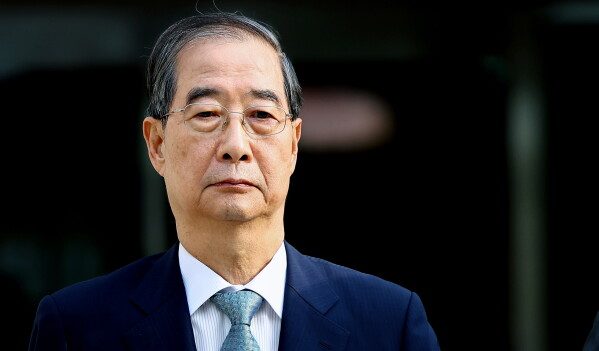
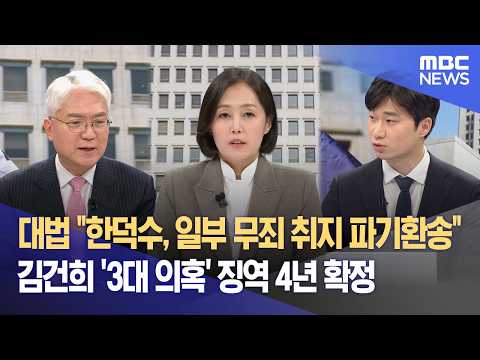
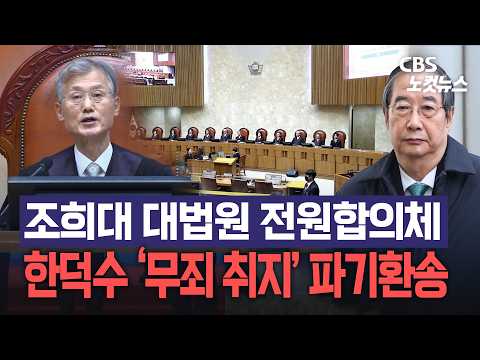
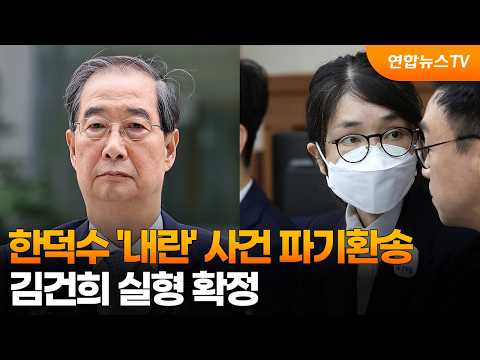
South Korea's Supreme Court overturned former Prime Minister Han Duck-soo's insurrection conviction on November 19, 2026, and sent the case back to the Seoul High Court. The 9-3 ruling vacated the 15-year prison term he received for helping President Yoon Suk Yeol push a martial law decree through a Cabinet meeting in December 2024.

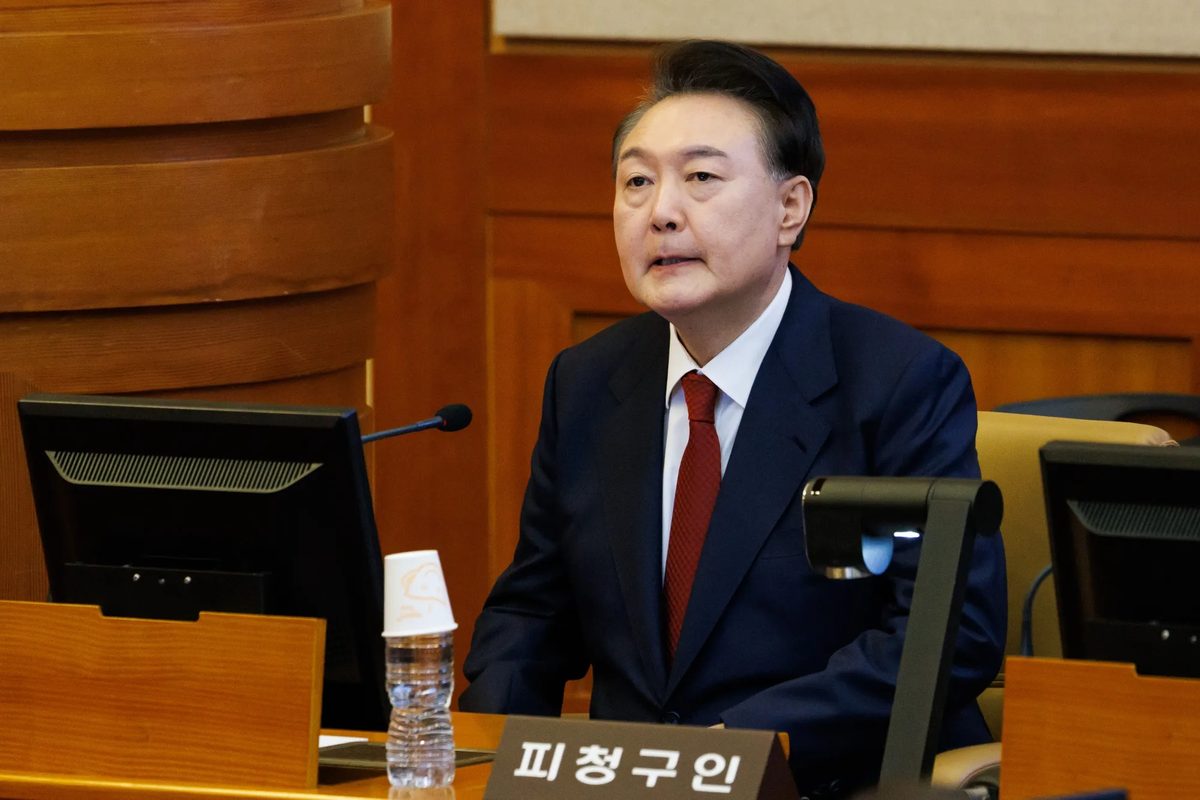
The court said the decree itself was unconstitutional and illegal, but that prosecutors had not proven Han intended to subvert the constitutional order. That distinction now governs his retrial and shadows Yoon's appeal, due January 26, 2027, where the ousted president is fighting a life sentence.

Why it matters

South Korea's top court separated an illegal martial law order from the intent needed to convict the officials who enabled it.

Questions about this story

Free account needed to ask — your question is kept and asked for you right after sign-up. Answers are public.

No questions yet — be the first to ask.

Key Indicators

9–3
Supreme Court vote to overturn the insurrection conviction
Three justices dissented, arguing Han knew the decree was unlawful and did nothing to stop it.
15 years
Prison term vacated by the ruling
The Seoul High Court imposed it; the case returns there for a new sentence.
2
Convictions the Supreme Court left standing
Creating a false official document and perjury were upheld with no legal error found.
~6 hours
How long the December 2024 martial law lasted
Opposition lawmakers voted the decree down the same night it was declared.

Voices

Curated perspectives — historical figures and your fellow readers.

Sign up to generate historical perspectives on this story.

People Involved

Organizations Involved

Timeline

December 2024 January 2027

5 events Latest: Today
Tap a bar to jump to that date
  1. Seoul High Court due to rule on Yoon's appeal

    Upcoming Scheduled

    The same panel that sentenced Han to 15 years will decide Yoon's appeal.

  2. Yoon declares emergency martial law

    Force

    Yoon cited 'anti-state forces' as justification. Lawmakers overturned the decree in about six hours.

Scenarios

1

Seoul High Court re-convicts Han and imposes prison time

Possible Resolves by Q2 2027

Discussed by: Legal analysis in SBS and Korea JoongAng Daily following the remand

The retrial returns to the court that imposed 15 years. It can revisit only the Cabinet-meeting conduct the Supreme Court sent back, but it must still sentence Han for the perjury and false-document convictions it upheld. If the panel finds he intended to help Yoon subvert the constitutional order, a long term follows.

2

Han acquitted of insurrection and spared prison

Possible Resolves by Q2 2027

Discussed by: Three dissenting Supreme Court justices argued the opposite outcome; the majority's reasoning points here

Having found the Cabinet-meeting evidence insufficient to prove intent, the High Court could clear Han on the remanded charge. His sentence would then rest on the false-document and perjury convictions alone, which typically draw far shorter terms and may be suspended.

3

Yoon's life sentence upheld on appeal

Uncertain Resolves by Feb 15, 2027

Discussed by: SBS analysis of how the Han ruling affects Yoon's pending appeal

The Supreme Court separated the illegality of the decree from each defendant's intent. That cuts against Yoon less sharply than against Han, because the trial court found Yoon ordered the deployment of troops and police himself. The Seoul High Court is due to rule on January 26, 2027.

Historical Context

2 moments from history that rhyme with this story — and how they unfolded.

December 1995 - August 1996

Chun Doo-hwan's insurrection trial (1995-1996)

Chun Doo-hwan seized power in a 1979 military coup and expanded martial law in May 1980, sending troops into Gwangju where hundreds of civilians were killed. Prosecutors later charged him with insurrection. A court convicted him in August 1996 and sentenced him to death.

Then

The Seoul High Court reduced the sentence to life imprisonment, and the Supreme Court upheld the conviction in 1997.

Now

President Kim Young-sam pardoned Chun in December 1997, but the conviction established that a former ruler could be tried for turning the military against the constitutional order.

Why this matters now

South Korea has tried a former leader for insurrection before, and the intent standard at issue in Han's case descends from those prosecutions.

December 2016 - April 2018

Park Geun-hye's impeachment and conviction (2016-2017)

The National Assembly impeached Park over a corruption scandal in December 2016. The Constitutional Court removed her from office in March 2017, and prosecutors arrested her weeks later on bribery and abuse-of-power charges.

Then

A court convicted Park in April 2018 and sentenced her to 24 years, later reduced on appeal.

Now

She was pardoned in December 2021, five years after her impeachment, showing that South Korean presidents' criminal cases often end in both prison and political pardon.

Why this matters now

It set the pattern now repeating: removal from office first, then a separate criminal case that moves through the courts for years.

Sources

(7)