

Logo
Daily Brief
Following
Why
South Korea's Former President Faces Death Penalty for Self-Coup

South Korea's Former President Faces Death Penalty for Self-Coup

Yoon Suk Yeol on trial for December 2024 martial law declaration—the first presidential death penalty case since 1996

Today: Prosecutors Seek Death Penalty

Overview

South Korea has not executed anyone in 28 years. Yet on January 13, 2026, prosecutors asked a Seoul court to sentence former President Yoon Suk Yeol to death. Yoon, who spent six chaotic hours under martial law on December 3, 2024, before lawmakers voted it down, is the first South Korean president to face execution since military strongman Chun Doo-hwan in 1996.

The trial marks the end of a 13-month constitutional crisis that saw Yoon impeached, arrested, and removed from office—the shortest-serving elected president in the country's democratic history. A verdict on February 19 will determine whether Asia's fourth-largest economy sentences a former head of state to death for what prosecutors call a 'self-coup,' even as experts predict life imprisonment is the likelier outcome.

Key Indicators

6
Hours of martial law
Duration before National Assembly voted 190-0 to lift it
28
Years since last execution
South Korea's de facto moratorium on capital punishment began in December 1997
8-0
Constitutional Court vote
Unanimous decision upholding Yoon's impeachment in April 2025
79.4%
Voter turnout
Highest since 1997 in June 2025 snap election that replaced Yoon

People Involved

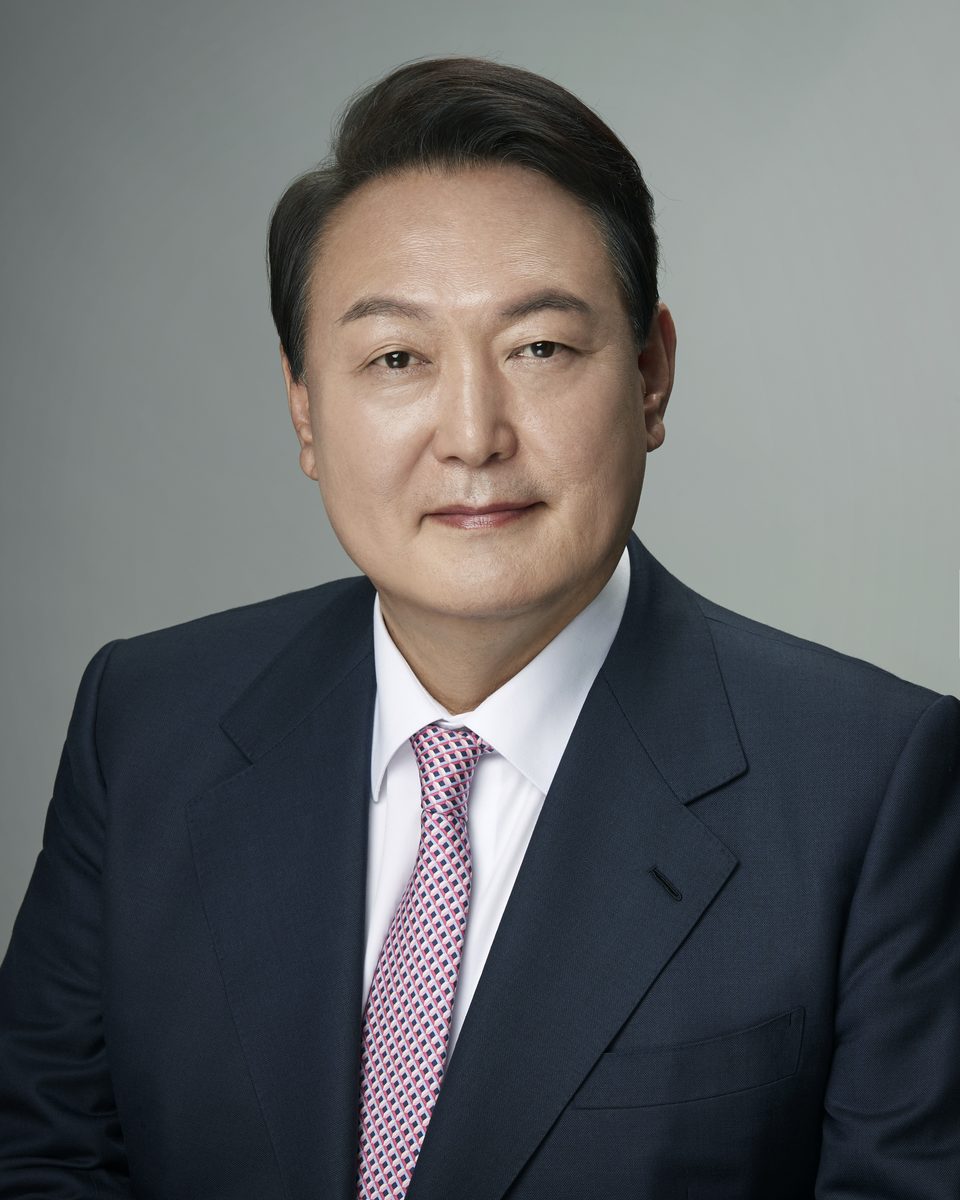
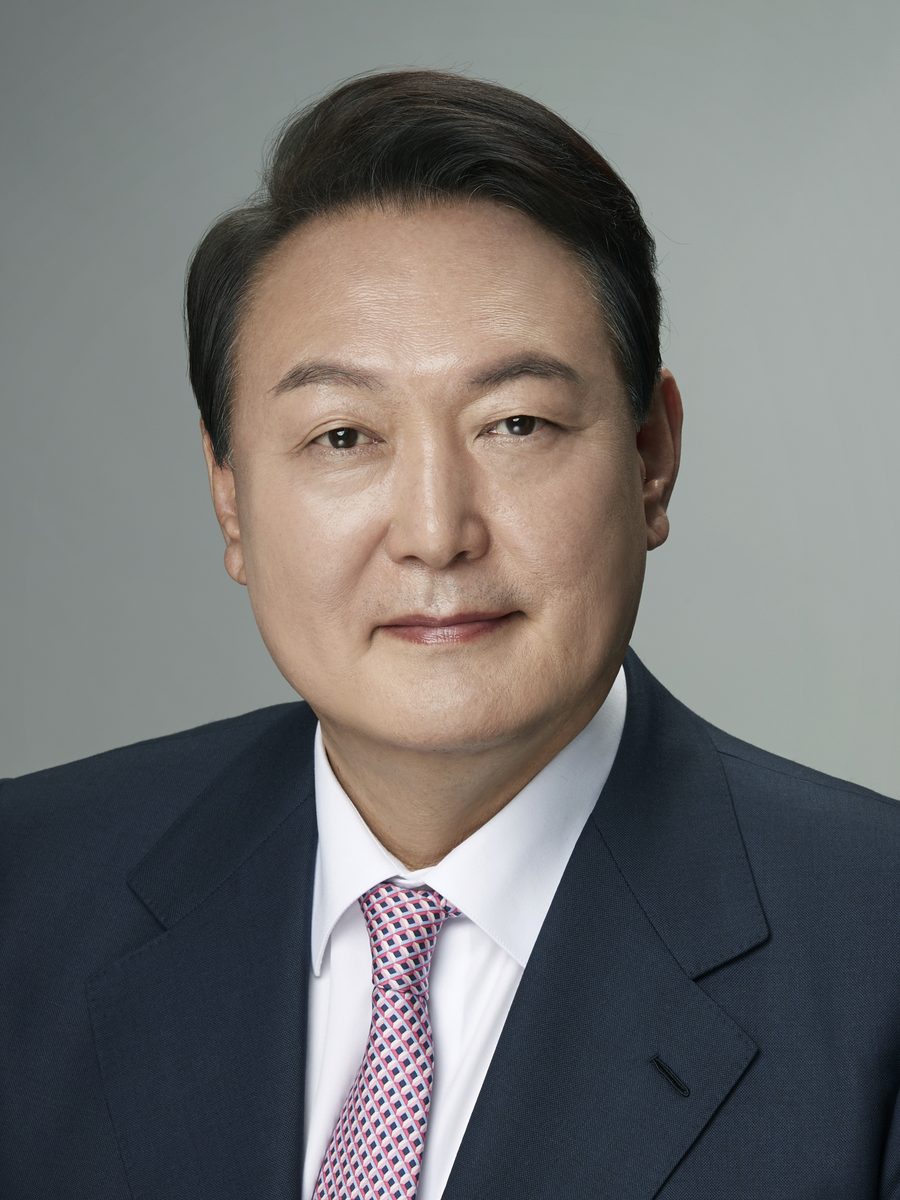
Yoon Suk Yeol
Yoon Suk Yeol
Former President of South Korea (2022-2025) (In detention, facing death penalty request)
KY
Kim Yong-hyun
Former Defense Minister (Facing life imprisonment request)
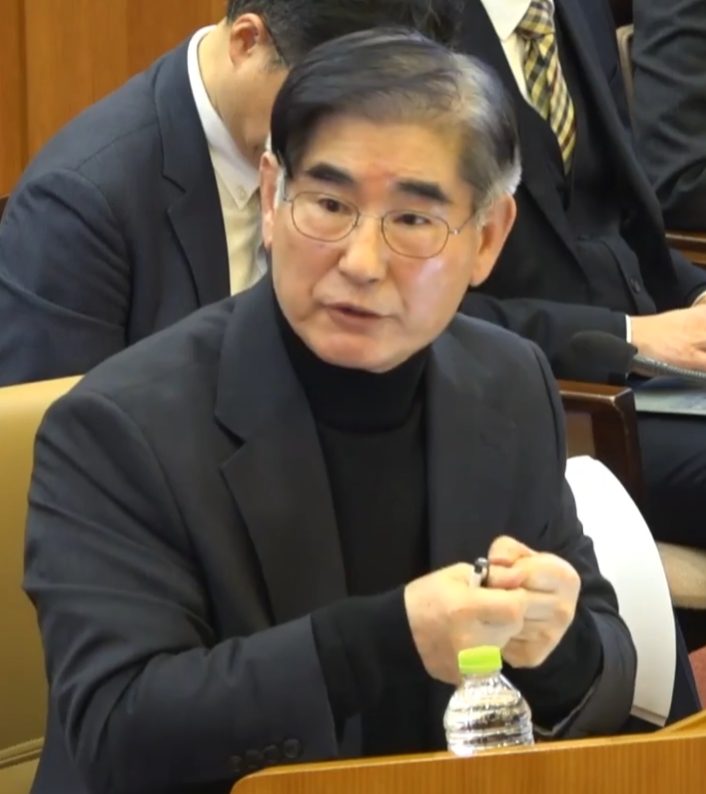
Cho Eun-suk
Cho Eun-suk
Special Prosecutor (Leading prosecution team)
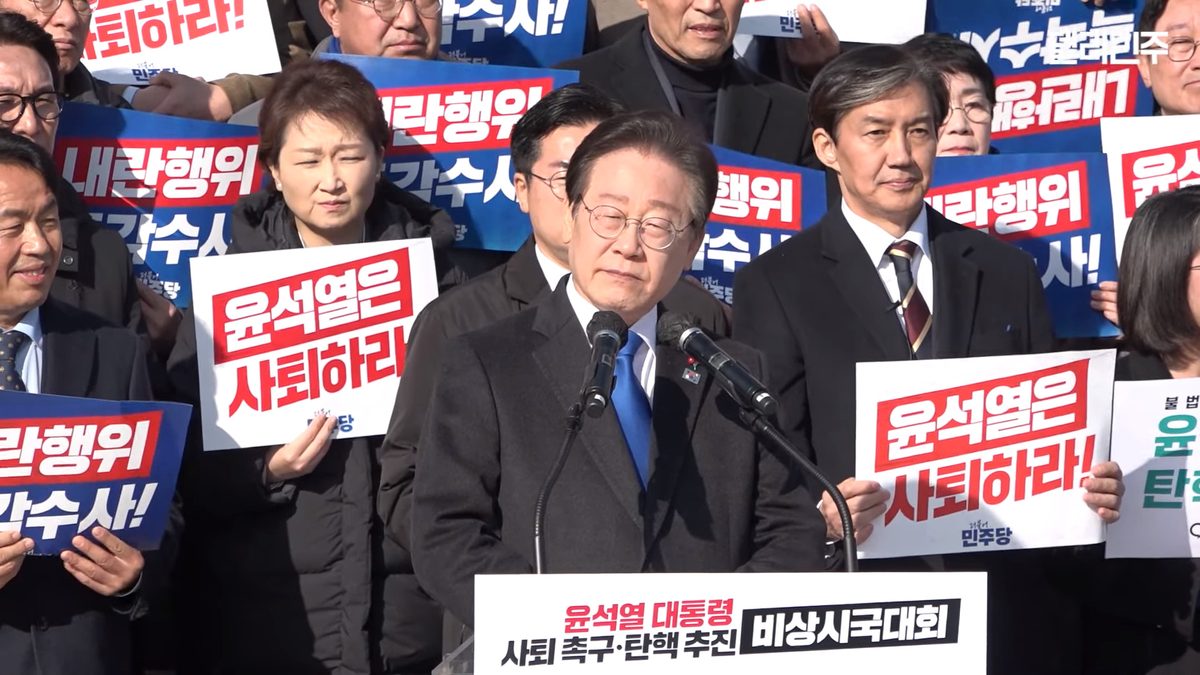
Lee Jae Myung
Lee Jae Myung
President of South Korea (since June 2025) (In office)

Organizations Involved

SE
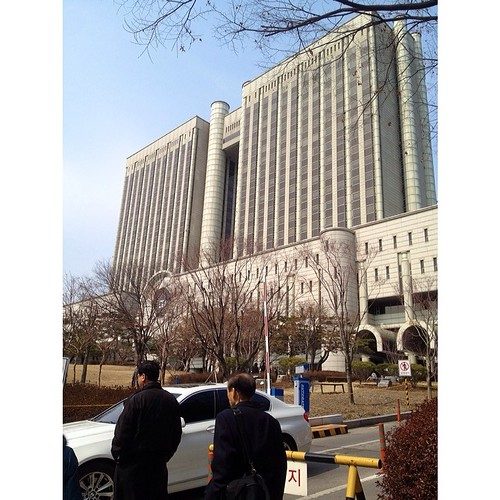
Seoul Central District Court
Judicial Body
Status: Presiding over Yoon's insurrection trial

The district court handling criminal proceedings against Yoon and seven co-defendants.

Constitutional Court of Korea
Judicial Body
Status: Upheld Yoon's impeachment

The court that unanimously removed Yoon from office in April 2025.

People Power Party
People Power Party
Political Party
Status: Distancing from Yoon ahead of June elections

South Korea's main conservative party, now struggling to reconcile its hardline base with moderate voters.

Timeline

  1. Prosecutors Seek Death Penalty

    Legal

    Special counsel Cho Eun-suk requests death sentence in 17-hour closing hearing. First presidential death penalty case since Chun Doo-hwan in 1996.

  2. Yoon Rearrested

    Legal

    With presidential immunity gone, court issues new warrant. Yoon returned to detention.

  3. Lee Jae-myung Wins Snap Election

    Political

    Opposition leader defeats conservative candidate 49.4% to 41.2% in highest-turnout election since 1997.

  4. Constitutional Court Removes Yoon

    Legal

    In unanimous 8-0 ruling, court upholds impeachment. Yoon loses all presidential immunity and privileges.

  5. Yoon Indicted for Insurrection

    Legal

    Prosecutors formally charge Yoon as 'ringleader of an insurrection'—the first sitting president indicted in South Korean history.

  6. Yoon Arrested After Standoff

    Legal

    After a failed attempt on January 3, hundreds of officers breach the presidential residence. Yoon becomes first sitting president arrested in South Korean history.

  7. National Assembly Impeaches Yoon

    Legislative

    After a first vote fails on December 7, lawmakers impeach Yoon 204-85. Twelve members of his own party vote against him.

  8. Kim Yong-hyun Arrested

    Legal

    Former defense minister arrested on insurrection charges for advising martial law and ordering troops to the National Assembly.

  9. Defense Minister Kim Resigns

    Resignation

    Kim Yong-hyun, who allegedly advised Yoon to declare martial law, steps down.

  10. National Assembly Votes Down Martial Law

    Legislative

    After thousands of citizens surround the building and lawmakers breach barricades, 190 legislators vote unanimously to lift martial law. Yoon complies at 04:30.

  11. Yoon Declares Martial Law

    Crisis

    In a surprise late-night address, Yoon declares martial law citing 'anti-state forces' and 'North Korean communist threats.' Military helicopters land on National Assembly grounds. First martial law since 1980.

Scenarios

1

Yoon Sentenced to Life Imprisonment

Discussed by: Korea Herald, legal experts including Mason Richey (Hankuk University) and Benjamin Engel (Dankook University)

The court convicts Yoon but opts for life imprisonment rather than death. This is the widely expected outcome. South Korea's insurrection statute allows only three sentences—death, life with hard labor, or life without—and courts have consistently avoided death penalties in recent decades. Chun Doo-hwan's 1996 death sentence was commuted to life on appeal. Yoon would serve his sentence unless pardoned by a future conservative president.

2

Yoon Sentenced to Death, Never Executed

Discussed by: Special counsel Cho Eun-suk, Korea Times, analysts noting symbolic significance

The court accepts prosecutors' recommendation and sentences Yoon to death. Even if upheld on appeal, execution remains virtually impossible—South Korea has not executed anyone since 1997 and is classified as 'abolitionist in practice.' The sentence would carry enormous symbolic weight, branding Yoon's actions as the gravest constitutional violation since military dictatorship. It could also, as Engel warns, create a 'martyr' figure among hardline conservatives.

3

Conviction Overturned on Appeal

Discussed by: Yoon's defense team, conservative legal commentators

Yoon maintains that declaring martial law was within his constitutional authority as president. If appeals courts accept this argument or find procedural flaws—as occurred briefly in March 2025 when his arrest warrant was canceled—Yoon could be freed. Given the Constitutional Court's unanimous impeachment ruling, this outcome appears unlikely but cannot be ruled out.

4

Future Presidential Pardon

Discussed by: Analysts citing Chun Doo-hwan and Roh Tae-woo precedent

Following the pattern of 1997, when both Chun and Roh were pardoned after serving portions of their sentences, a future conservative president could pardon Yoon. This would require the People Power Party to regain the presidency and determine that reconciliation outweighs political risk. Given current polling, this scenario remains distant.

Historical Context

Chun Doo-hwan Trial (1996)

March-August 1996

What Happened

Former President Chun Doo-hwan was tried for leading a 1979 military coup and ordering the violent suppression of pro-democracy protesters in Gwangju in 1980, where approximately 200 people were killed. He was sentenced to death; his successor Roh Tae-woo received 22.5 years for his role.

Outcome

Short Term

Appeals courts reduced Chun's sentence to life imprisonment. Both were pardoned in December 1997 by President Kim Young-sam on advice of president-elect Kim Dae-jung.

Long Term

The trials established that former presidents could be held criminally accountable for abuses of power, but also demonstrated that death sentences for ex-presidents are typically commuted.

Why It's Relevant Today

Yoon is the first former president to face a death penalty request since Chun. Prosecutors explicitly argued Yoon deserves harsher treatment because he acted in peacetime and after South Korea had become a democracy.

Park Geun-hye Impeachment (2017)

December 2016-March 2017

What Happened

President Park Geun-hye was impeached after revelations that she granted excessive influence to a personal confidante, Choi Soon-sil, who used access to extort donations from major corporations. Her approval rating fell to 4%. The National Assembly voted 234-56 to impeach.

Outcome

Short Term

Constitutional Court unanimously upheld impeachment on March 10, 2017. Park was later sentenced to 25 years for corruption.

Long Term

Park was pardoned in December 2021. The case established that South Korea's democratic institutions could peacefully remove a president, providing a procedural template for Yoon's removal.

Why It's Relevant Today

Yoon's impeachment followed the Park precedent but moved faster—the Constitutional Court ruled in four months versus Park's three. Unlike Park's corruption case, Yoon faces insurrection charges with mandatory life-or-death sentencing.

Gwangju Uprising (1980)

May 1980

What Happened

After Chun Doo-hwan declared martial law and arrested opposition leaders, citizens in Gwangju rose up in protest. Military forces killed approximately 200 people in suppressing the uprising. The massacre became a defining moment for South Korea's democracy movement.

Outcome

Short Term

Chun consolidated power and ruled until 1988. The massacre was officially suppressed from public discourse for years.

Long Term

Gwangju became a symbol of democratic resistance. The eventual prosecution of Chun and Roh in 1996 demonstrated that authoritarian abuses, even by presidents, can eventually face legal accountability.

Why It's Relevant Today

Prosecutors drew direct parallels between Yoon's martial law and the 1980 crisis, arguing that Yoon's actions were more egregious because they occurred in an established democracy rather than during authoritarian transition.

13 Sources: