
Pull to refresh
Logo
South Sudan's president dissolves government ahead of first national elections

South Sudan's president dissolves government ahead of first national elections

Rule Changes

Kiir removes vice-presidents and parliament, appoints caretakers for December vote

Today: Government dissolved, caretaker administration appointed

Overview

Updated 1 hour ago

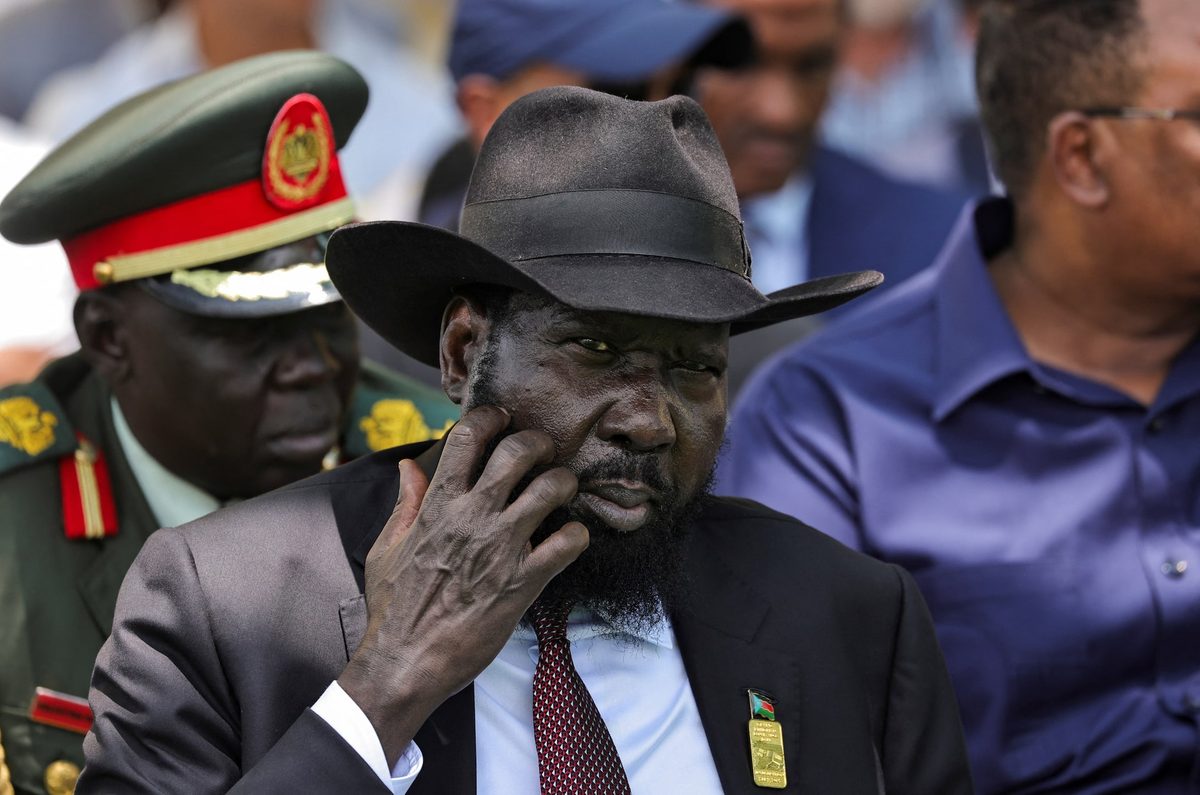
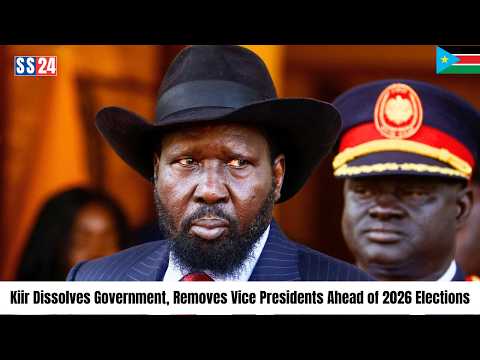
South Sudan's President Salva Kiir dissolved the country's transitional government on Tuesday, removing all vice-presidents, ministers, and state assemblies. The decree clears the way for the country's first national elections since independence in 2011, now scheduled for December 22.

The move ends a power-sharing arrangement created by the 2018 peace deal that halted a five-year civil war. Lawyer Michael Wani and analyst Machot Amuom warn Kiir now holds unchecked power, with no vice-presidents, no parliament, and no executive to constrain him.

Why it matters

If these elections fail or spark renewed conflict, South Sudan's 2018 peace deal collapses and the region destabilizes.

Questions about this story

Free account needed to ask — your question is kept and asked for you right after sign-up. Answers are public.

No questions yet — be the first to ask.

Key Indicators

0
National elections held since 2011 independence
South Sudan has never held a national election since becoming independent.
2
Times elections postponed since independence
Polls were previously scheduled and delayed twice before the December 2026 date.
5
Vice-presidents removed by dissolution decree
First Vice-President Riek Machar and four other vice-presidents were removed from office.
10
State governments dissolved
All 10 state governments and legislative assemblies were dissolved, with caretaker governors appointed.

Voices

Curated perspectives — historical figures and your fellow readers.

Ever wondered what historical figures would say about today's headlines?

Sign up to generate historical perspectives on this story.

People Involved

Organizations Involved

Timeline

July 2011 December 2026

7 events Latest: Today
Tap a bar to jump to that date
  1. Scheduled date for first national elections

    Upcoming Election

    South Sudan's first national elections since independence are scheduled to take place.

  2. Government dissolved, caretaker administration appointed

    Today Political

    Kiir dissolves the transitional government, removes all vice-presidents, and appoints caretaker ministers and governors.

  3. Kiir signs election law amendments

    Legislation

    President signs amendments allowing him to stay in power during the election period and removing preconditions for the vote.

  4. Parliament approves election law changes

    Legislation

    Parliament approves amendments to the National Elections Act, removing constitution and census requirements.

  5. Peace deal signed

    Agreement

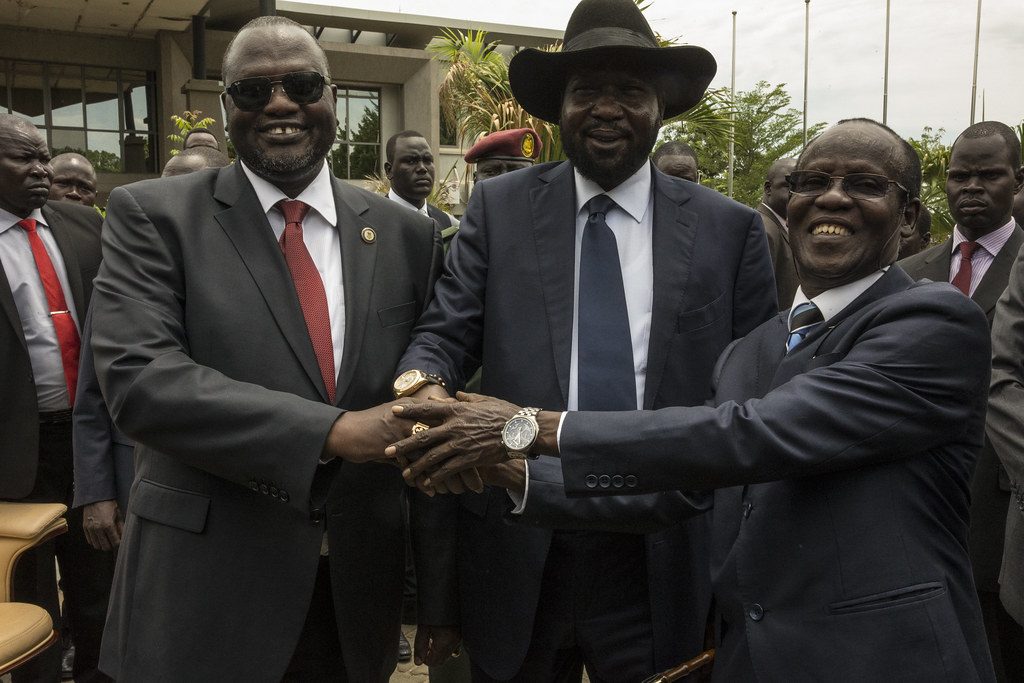
    Revitalized peace agreement signed, creating a power-sharing government with Kiir and Machar.

  6. Civil war erupts

    Conflict

    Fighting breaks out between forces loyal to Kiir and Machar, splitting the country along ethnic lines.

  7. South Sudan gains independence

    Independence

    South Sudan becomes an independent nation after decades of conflict with Sudan.

Scenarios

1

Elections Held December 22, Partial or Full

Possible Resolves by End of 2026

Discussed by: National Elections Commission, political analyst Andrea Mac Mabior

The National Elections Commission proceeds with the December 22 vote. Insecurity in parts of the country may force a partial election, with some areas unable to vote. Kiir remains in office through the transition, and a new president is sworn in if the vote is completed.

2

Elections Postponed Again

Possible Resolves by Dec 22, 2026

Discussed by: Analyst Machot Amuom

Kiir uses his expanded powers to delay the vote, citing insecurity, incomplete voter registration, or lack of preparation. The new law gives him authority to extend the election period, and analysts note nothing structurally prevents another postponement.

3

Opposition Rejects Results, Conflict Resumes

Unlikely Resolves by Q1 2027

Discussed by: South Sudan Opposition Alliance, analysts

The opposition coalition, which already rejected the election law changes, boycotts the vote or rejects the results. Violence breaks out in parts of the country, threatening the 2018 peace deal and regional stability.

Historical Context

3 moments from history that rhyme with this story — and how they unfolded.

December 2007 - February 2008

Kenya's 2007 Post-Election Violence

Disputed presidential election results triggered ethnic violence across Kenya. More than 1,000 people were killed and 600,000 displaced before a power-sharing deal created a coalition government.

Then

A power-sharing government was formed with rival candidates as president and prime minister.

Now

The violence led to constitutional reforms and a new election system, but showed how disputed votes can tear a country apart.

Why this matters now

South Sudan faces a similar risk if opposition groups reject the December election results.

April 2010

Sudan's 2010 Elections

Sudan held its first multi-party elections in 24 years. The main opposition parties boycotted, citing fraud and lack of preparation. International observers noted widespread irregularities.

Then

The ruling National Congress Party won a landslide. The flawed vote deepened distrust between north and south.

Now

The disputed elections set the stage for the 2011 secession referendum that created South Sudan.

Why this matters now

Shows the risks of holding elections in a fragile state without opposition participation or adequate preparation.

December 2013 - September 2018

South Sudan's 2013 Civil War

A political rivalry between Kiir and Machar erupted into a civil war that killed hundreds of thousands and displaced millions. The conflict split the country along ethnic lines.

Then

The 2018 peace deal ended the fighting and created a power-sharing government.

Now

The peace deal held but was only partially implemented, with key tasks like army unification and voter registration unfinished.

Why this matters now

The dissolution removes the power-sharing structure that ended this war, raising the risk of a return to conflict.

Sources

(10)