For five years, Southeast Asia's scam compounds operated with near-impunity, generating an estimated $75 billion while trafficking hundreds of thousands of workers into forced labor. Then a Chinese actor got kidnapped in January 2025, and Beijing decided it had seen enough. Within twelve months, China extradited scam kingpins from Thailand, Cambodia, and Myanmar and sentenced crime family leaders to death. Beijing pressured regional governments into coordinated enforcement, transforming a tolerated nuisance into an existential threat.
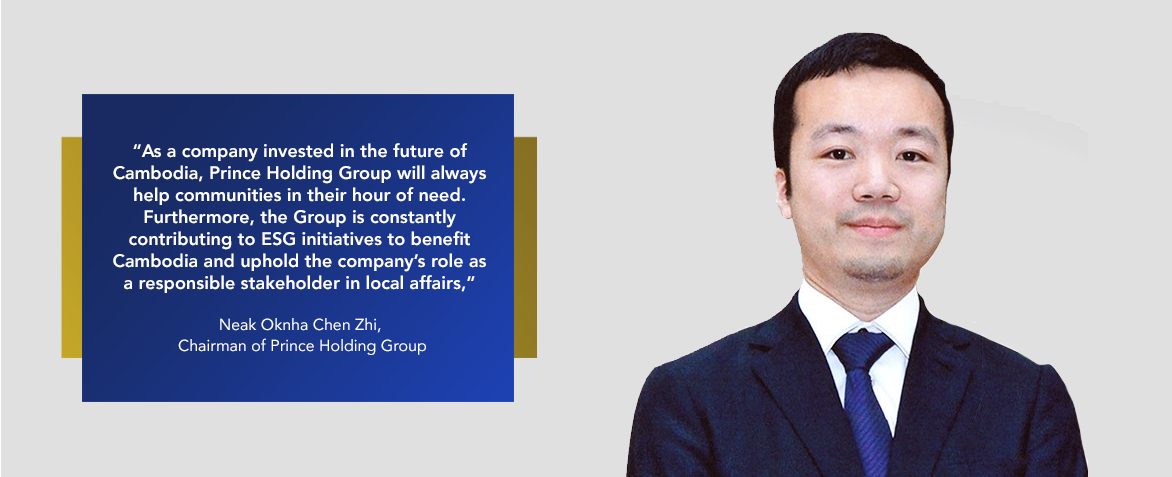
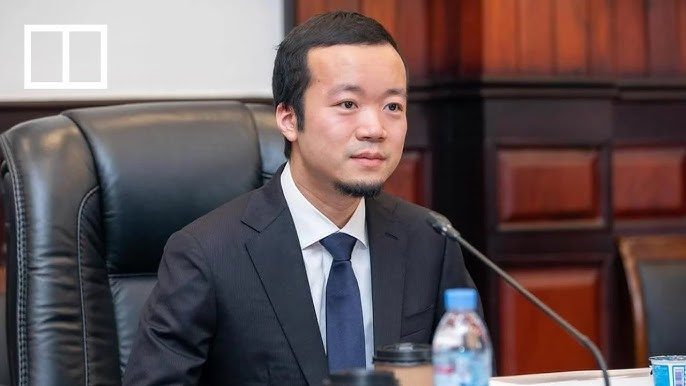
Chen Zhi's extradition to China on January 7, 2026, marks the highest-profile arrest yet. The founder of Cambodia's Prince Group, which US prosecutors allege operated at least ten forced labor camps running cryptocurrency fraud schemes, was handed to Chinese authorities despite active US warrants. Beijing called on his associates to surrender by February 15 for lighter sentences, then on January 29 executed 11 members of Myanmar's Ming family crime group—demonstrating its willingness to impose death penalties.
Questions about this story
Free account needed to ask — your question is kept and asked for you right after sign-up. Answers are public.
No questions yet — be the first to ask.
Key Indicators
$75B
Global losses (2020-2024)
Estimated victim losses to Southeast Asian cyber scams over five years
$15B
Bitcoin seized from Chen Zhi
Largest forfeiture action in US Justice Department history
100,000+
Workers in Cambodian scam industry
UN estimate of people working in Cambodia's scam centers, many trafficked
53,000+
Chinese nationals deported from Myanmar
Suspected scam workers repatriated to China since October 2023
23 events
Latest: January 29th, 2026 · 9 months ago
Showing 8 of 23
JK to step
Tap a bar to jump to that date
Jump to
January 2026
China executes 11 members of Myanmar Ming family scam group
LatestLegal
China carries out death sentences against 11 people convicted in September 2025, including Ming family leaders, for running billion-dollar scam and gambling operations in Myanmar that killed 14 Chinese citizens. Five others received death sentences with two-year reprieves; 23 received prison terms.
Cambodia arrests 75 scam suspects in Phnom Penh raids
Enforcement
Police raid hotel and guesthouse in capital, arresting 75 suspected scam operators for allegedly conducting online fraud and illegal residence. Part of intensified enforcement following Chen Zhi's extradition.
China calls on Chen Zhi associates to surrender
Enforcement
China's Ministry of Public Security offers lighter sentences to associates who surrender by February 15. Mass flight from Sihanoukville scam compounds follows Chen's arrest.
Mass exodus from Sihanoukville scam compounds
Enforcement
Hundreds flee suspected scam centers including Amber Casino, departing with suitcases and equipment following Chen Zhi's arrest. Critics call crackdown 'anti-crime theatre' as many evacuated before authorities arrived.
Cambodia suspends Prince Group property sales
Financial
Real estate regulator freezes sales at five Prince Group luxury properties—four in Phnom Penh, one in Sihanoukville. Existing contract holders must complete purchases; those paid in full can sell after registering ownership.
Prince Bank placed into liquidation
Financial
National Bank of Cambodia orders Prince Bank into liquidation, appointing Morison Kak MKA as official liquidator. Bank no longer permitted to accept deposits or provide loans. 200,000 customers affected; deposits up to $500 guaranteed.
Chen Zhi extradited to China
Extradition
Cambodia hands Chen Zhi to Chinese authorities rather than the US, which had active warrants. Chinese state media broadcasts footage of handcuffed Chen being escorted from aircraft.
Chen Zhi arrested in Cambodia
Arrest
Cambodian authorities arrest Chen Zhi and two other Chinese nationals after months of joint investigation with China.
December 2025
Cambodia revokes Chen Zhi's citizenship
Legal
Cambodia strips Chen Zhi of citizenship acquired years earlier, clearing a legal obstacle to his extradition.
November 2025
Thailand extradites She Zhijiang to China
Extradition
After three years of legal battles, Thailand hands over Shwe Kokko developer She Zhijiang to Chinese authorities. His $15 billion 'resort city' housed major scam operations.
Bai family leaders sentenced to death
Legal
Chinese court sentences five members of Myanmar's Bai crime group, including patriarch Bai Suocheng and his son, to death for scam operations.
October 2025
US and UK impose record sanctions on Prince Group
Sanctions
US Treasury sanctions 146 targets within Prince Group, designating it a transnational criminal organization. DOJ seizes $15 billion in bitcoin—the largest forfeiture in department history.
Prince Bank faces mass withdrawals
Financial
Cambodian customers rush to withdraw savings from Prince Bank after sanctions announcement. Some branches halt transactions due to insufficient liquidity.
September 2025
Myanmar's Ming family sentenced to death in China
Legal
Chinese court sentences 11 members of the Ming crime family to death for running billion-dollar scam and gambling operations in Myanmar's Kokang region.
February 2025
China deploys police to Thai-Myanmar border
Enforcement
China's assistant minister of public security crosses into Myanmar—the first foreign official allowed since the 2021 coup. Over 7,000 workers await repatriation.
January 2025
Wang Xing rescued after massive public pressure
Rescue
Thai police locate and rescue Wang Xing within three days. His swift recovery—while thousands remain trapped—sparks public outrage in China.
Chinese actor Wang Xing kidnapped to Myanmar
Incident
Actor Wang Xing is lured to Thailand with a fake job offer and trafficked to a Myanmar scam compound. His girlfriend's social media campaign forces government response.
October 2023
Myanmar begins mass deportations to China
Enforcement
Myanmar's junta begins deporting Chinese nationals suspected of scam involvement. Over 53,000 will be repatriated by early 2026.
August 2023
UN estimates 220,000 trafficked into scam centers
Report
UN Human Rights Office estimates 220,000 people from dozens of countries are held as forced laborers in Cambodia and Myanmar scam centers.
March 2020
COVID-19 accelerates scam industry growth
Turning Point
Pandemic border closures devastate legitimate casino tourism. Empty casino floors and dormitories become scam operation centers.
December 2019
Cambodia bans online gambling
Policy
Under Chinese pressure, Hun Sen bans online gambling. Around 200,000 Chinese nationals leave Cambodia. Casinos pivot to hosting scam operations.
August 2019
China requests Chen Zhi's arrest
Investigation
Chinese authorities present evidence and request Cambodia arrest Chen Zhi. Prime Minister Hun Sen refuses.
2018
Chinese criminal groups relocate to Southeast Asia
Origin
China's organized crime crackdowns push criminal networks into Cambodia, Myanmar, and Laos. Sihanoukville transforms into a casino boomtown with massive Chinese investment.
Scenarios
1
Scam Industry Scatters to Remote Locations
Likely
Discussed by: Global Initiative Against Transnational Organized Crime, UNODC analysts
The crackdown displaces rather than eliminates the industry. Operations relocate from border zones to remote areas of Shan and Karen states with satellite internet and solar power, or expand to new countries like Laos and the Philippines. The Global Initiative notes scam syndicates have already built new hubs 100-200 km from monitored borders. Revenue may temporarily dip before recovering.
2
Cambodia Completes Clean Break From Scam Industry
Possible
Discussed by: US State Department, Foreign Policy analysts
Under sustained international pressure, Cambodia's government prosecutes mid-level operators, not just Chen Zhi. Prince Bank liquidation and property freezes cascade through the legitimate economy, forcing a genuine restructuring. Hun Manet distances from his father's business networks to preserve Western relations and investment.
3
China Uses Crackdown to Expand Regional Police Influence
Likely
Discussed by: United States Institute of Peace, human rights organizations
China leverages public safety concerns to establish permanent police presence in Thailand and Myanmar. Joint law enforcement centers become platforms for pursuing political targets, including Uyghur refugees. Regional governments accept expanded Chinese security cooperation in exchange for help with the scam problem.
4
US Pursues Chen Zhi Extradition From China
Unlikely
Discussed by: Legal analysts, DOJ watchers
The US presses for Chen Zhi's transfer to face Brooklyn charges, citing the $15 billion seizure and American victims. China refuses, keeping a politically sensitive case out of US courts. The standoff becomes another friction point in US-China relations, with no resolution likely given absent extradition treaty.
Historical Context
3 moments from history that rhyme with this story — and how they unfolded.
1 of 3
June 1991
Pablo Escobar's Negotiated Surrender (1991)
Colombian drug lord Pablo Escobar, who controlled 80% of the global cocaine trade, surrendered to authorities after negotiating remarkable terms: a custom-built prison he designed himself, guards he selected, and a constitutional ban on extradition to the United States. The Colombian Constituent Assembly voted 51-13 to prohibit extradition the same day Escobar turned himself in.
Then
Escobar continued running his operation from 'La Catedral' prison, which featured a football pitch, bar, and waterfall. He escaped in 1992 when authorities tried to transfer him.
Now
The failed arrangement showed that negotiated surrenders without genuine enforcement can simply legitimize criminal operations. Escobar was killed by Colombian forces in 1993.
Why this matters now
China's offer of lighter sentences for Chen Zhi associates who surrender echoes these negotiated terms. The key difference: China has demonstrated willingness to execute scam kingpins, having already sentenced members of three Myanmar crime families to death.
2 of 3
1993-1996
Dismantling of Medellín and Cali Cartels (1993-1996)
After Escobar's death in 1993, Colombian and US authorities systematically dismantled the Medellín Cartel. The Cali Cartel, which had helped hunt Escobar, was itself destroyed by 1996 through arrests of its leadership. The two organizations had controlled the majority of global cocaine trafficking.
Then
Cocaine prices spiked temporarily as supply chains were disrupted.
Now
Rather than ending the drug trade, the crackdown fragmented it. Mexican organizations that had served as intermediaries evolved into dominant cartels. The industry dispersed rather than disappeared.
Why this matters now
The parallel suggests Southeast Asian scam operations may similarly fragment rather than collapse. Analysts already observe operators relocating to remote areas with satellite connectivity, beyond current enforcement reach.
3 of 3
2018-2020
China's 2018 Organized Crime Crackdown
The Chinese Communist Party launched a three-year campaign against organized crime and 'black and evil forces.' Police arrested over 300,000 suspects, dismantled thousands of criminal gangs, and seized billions in assets. The campaign specifically targeted criminal organizations with political protection.
Then
Domestic organized crime networks were significantly disrupted.
Now
Criminal groups relocated operations to Southeast Asia, particularly Cambodia, Myanmar, and Laos. The campaign that cleaned up China created the conditions for the scam center explosion abroad.
Why this matters now
This history explains both why scam centers proliferated in Southeast Asia and why China now has strong political incentive to pursue them there—the current crisis is partly blowback from Beijing's earlier success.