
Pull to refresh
Logo
Daily Brief
Following
Why Sign Up
Spirit Airlines ceases operations after federal rescue package fails

Spirit Airlines ceases operations after federal rescue package fails

Money Moves
By Newzino Staff |

First major US airline to fail for financial reasons in 25 years; big four carriers now control roughly 80 percent of domestic flights

Today: Spirit Airlines ceases all operations

Overview

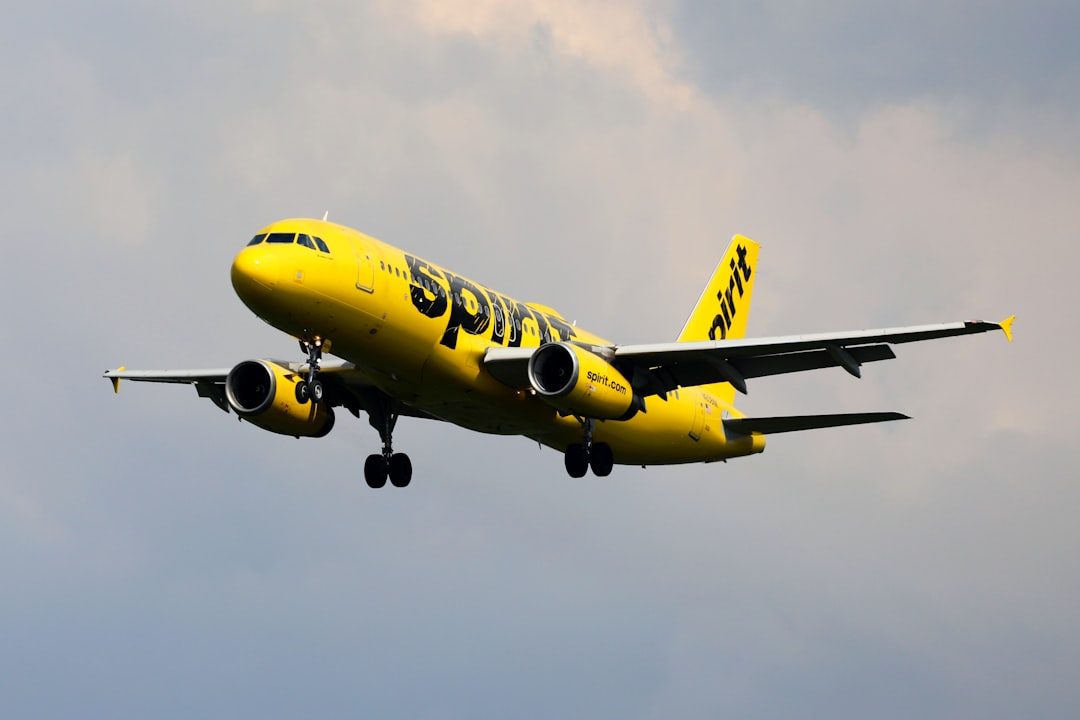
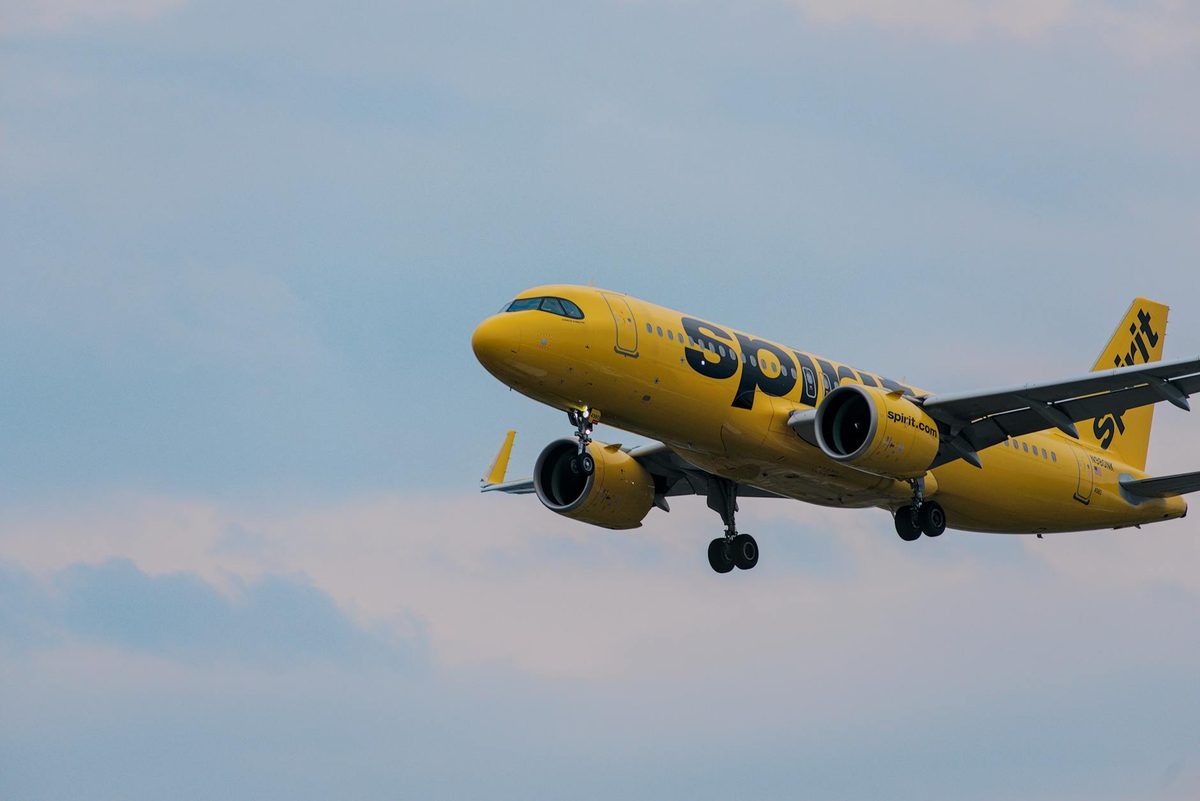
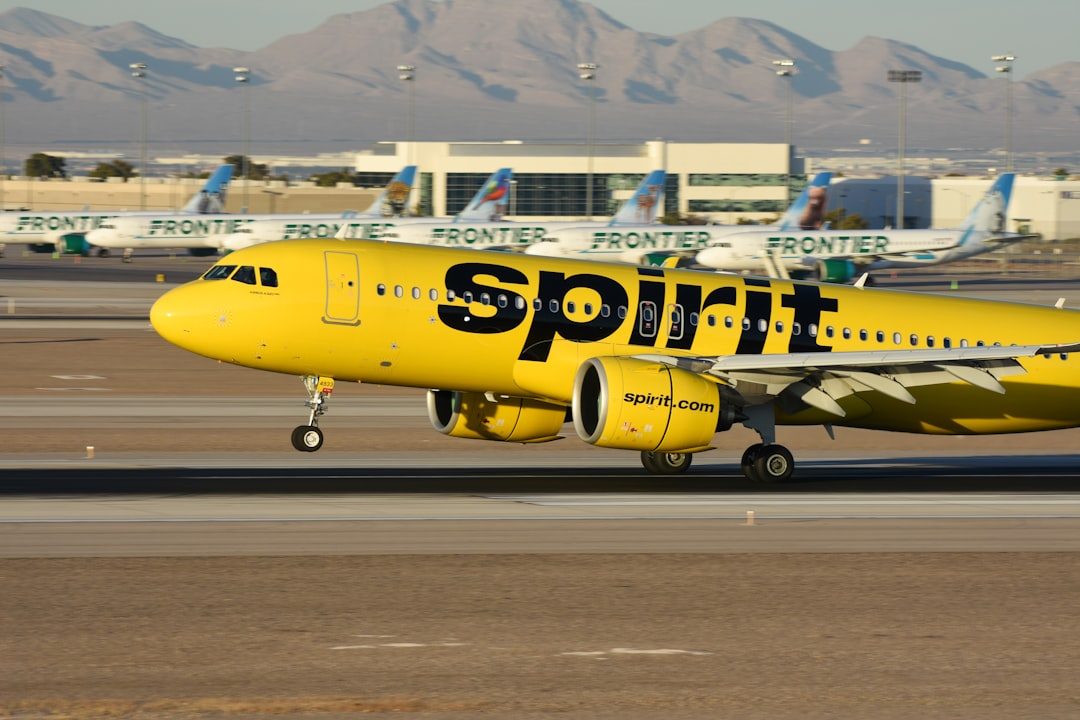
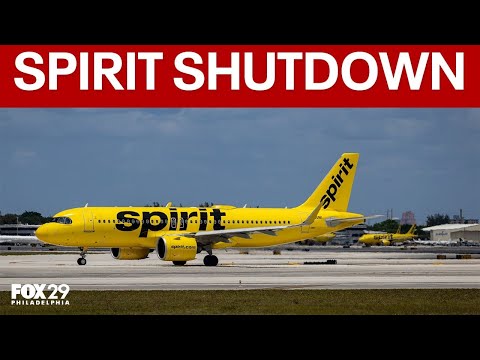
Roughly 1.8 million Spirit Airlines passengers woke up on May 2, 2026 to find their tickets worthless. At 3:00 a.m. Eastern Time, the eighth-largest US carrier shut down for good, told customers to stay home from the airport, and laid off about 17,000 employees and contractors. The trigger was a creditor group that walked away from a $500 million rescue package the Trump administration had been brokering.

Why it matters

With Spirit gone, the carriers that pressured the big four on price are largely gone too — and US domestic fares set the floor for what flying costs.

Key Indicators

17,000
Jobs eliminated overnight
About 14,000 employees plus contractors lost work at 3:00 a.m. Eastern on May 2.
1.8M
Booked seats canceled
Tickets sold through end of May 2026 are now invalid; customers told not to come to airports.
$500M
Rescue package that fell through
Trump administration proposal collapsed when a key creditor group rejected the terms.
~80%
US flights now controlled by big four
American, Delta, United, and Southwest's combined share after Spirit's exit.
~$200
Cap on rebooking fares
United, Delta, JetBlue, and Southwest agreed to cap one-way replacement fares for stranded passengers.
25 years
Since last comparable failure
First major US airline to shut down for financial reasons since the post-9/11 era.

Interactive

Exploring all sides of a story is often best achieved with Play.

Ever wondered what historical figures would say about today's headlines?

Sign up to generate historical perspectives on this story.

Sign Up

Debate Arena

Two rounds, two personas, one winner. You set the crossfire.

People Involved

Organizations Involved

Timeline

  1. Spirit Airlines ceases all operations

    Shutdown

    Carrier cancels all flights, eliminates roughly 17,000 jobs, and tells 1.8 million booked passengers not to come to airports. United, Delta, JetBlue, and Southwest cap rebooking fares at about $200 one-way.

  2. Key creditor group rejects $500M rescue terms

    Financial

    A bondholder bloc refuses the haircut required to unlock federal participation, killing the package overnight.

  3. Iran war fuel-price spike pressures Spirit

    Macroeconomic

    Surging jet fuel prices linked to the Iran war erode the cash cushion Spirit had built post-restructuring, prompting urgent talks with the Trump administration.

  4. Spirit exits first bankruptcy, then re-files

    Financial

    Restructured Spirit struggles to return to profitability; rising costs force a second Chapter 11 filing within months.

  5. Spirit files first Chapter 11 bankruptcy

    Financial

    Carrier enters a prepackaged restructuring with bondholders, aiming to wipe out equity and emerge with a lighter debt load.

  6. Federal court blocks JetBlue–Spirit merger

    Legal

    A federal judge sides with the Department of Justice, ruling the deal would eliminate a critical low-fare competitor. JetBlue and Spirit later abandon the transaction.

  7. JetBlue wins bidding war for Spirit

    Corporate

    JetBlue's $3.8 billion offer beats out Frontier, setting up a merger that would have created the fifth-largest US carrier.

Scenarios

1

Frontier and Allegiant absorb Spirit's gates and crews

Discussed by: Aviation analysts at Cowen, Raymond James, and trade outlets including The Air Current

Bankruptcy court auctions Spirit's airport gates, slots at constrained airports like Newark and Fort Lauderdale, and its A320-family aircraft leases. Frontier and Allegiant — the remaining ultra-low-cost carriers — pick up assets and pilots at distressed prices, partially refilling the low-fare gap. Outcome depends on whether trustees prioritize maximum recovery or preservation of competition.

2

Big four absorb the assets, fares rise on Spirit routes

Discussed by: Consumer groups, Senate Commerce Committee staff, antitrust scholars

American, Delta, United, and Southwest acquire Spirit's most valuable slots and gates piecemeal, arguing no single transaction triggers antitrust review. Studies of past airline failures suggest fares on former Spirit routes rise 15 to 30 percent within a year. Triggers congressional hearings on aviation competition.

3

Congress passes airline-stabilization framework

Discussed by: Senate Commerce Committee, Air Line Pilots Association, House Transportation Committee members

Spirit's collapse — and the political fallout from 17,000 lost jobs and stranded passengers — prompts legislation creating a standing federal facility to backstop airlines facing fuel-cost shocks. Modeled loosely on the post-9/11 Air Transportation Stabilization Board. Faces resistance from members who view it as a permanent bailout mechanism.

4

DOJ opens antitrust review of post-Spirit market

Discussed by: Former DOJ Antitrust Division officials, American Antitrust Institute

The same theory of harm that blocked the JetBlue–Spirit merger — that Spirit was a uniquely disciplining low-fare competitor — now points to elevated concentration without any merger to review. DOJ launches a market study on the big four's pricing power and any future consolidation triggers heightened scrutiny.

Historical Context

Pan American World Airways collapse (1991)

December 1991

What Happened

Pan Am, once the flag carrier of US international aviation, ceased operations on December 4, 1991 after the Gulf War spiked fuel prices, the Lockerbie bombing depressed bookings, and Delta walked away from a planned rescue purchase of remaining assets. Roughly 7,500 employees lost their jobs that day.

Outcome

Short Term

Delta acquired Pan Am's transatlantic routes and shuttle; United picked up Pacific routes. Stranded passengers were absorbed by competitors over weeks.

Long Term

US international aviation consolidated around three legacy carriers. Pan Am's branded successor attempts all failed within a few years.

Why It's Relevant Today

Like Spirit, Pan Am collapsed when an outside fuel-price shock combined with a failed rescue. Demonstrates how quickly competitors absorb routes — and how rarely a defunct airline brand is successfully revived.

TWA acquisition by American Airlines (2001)

January–April 2001

What Happened

Trans World Airlines filed its third bankruptcy in January 2001 and was sold to American Airlines for about $500 million plus assumed debt. Roughly 20,000 TWA employees were merged into American's workforce, though many faced steep seniority losses.

Outcome

Short Term

American gained TWA's St. Louis hub and international routes, briefly making it the world's largest airline.

Long Term

American shut most of the St. Louis hub within two years. The TWA deal is widely cited as the last major US airline failure for financial reasons before Spirit — the '25 years' benchmark in current coverage.

Why It's Relevant Today

Sets the historical baseline against which Spirit's shutdown is being measured. Shows that even acquisition-style rescues often hollow out the acquired carrier's network within years.

Eastern Air Lines shutdown (1991)

January 1991

What Happened

Eastern, once a top-five US carrier, shut down operations on January 18, 1991 after a prolonged labor dispute, debt accumulated under Frank Lorenzo's ownership, and inability to secure further financing in bankruptcy. About 18,000 employees lost their jobs.

Outcome

Short Term

Eastern's gates at Atlanta, Miami, and other hubs were absorbed by Delta and others. Liquidation auctions distributed fleet across multiple buyers.

Long Term

Eastern's collapse — combined with Pan Am's the same year — accelerated the consolidation of US aviation into the modern big-four structure.

Why It's Relevant Today

The closest precedent for an abrupt overnight shutdown without a successor airline. Eastern's gate-by-gate disposition is a likely template for how Spirit's airport assets will be redistributed.

Sources

(4)