
Pull to refresh
Logo
Swiss voters reject stricter neutrality rules, keeping sanctions and NATO options

Swiss voters reject stricter neutrality rules, keeping sanctions and NATO options

Rule Changes

70.1% voted No on locking in stricter neutrality, preserving EU sanctions and NATO cooperation

Overview

Updated Sep 28

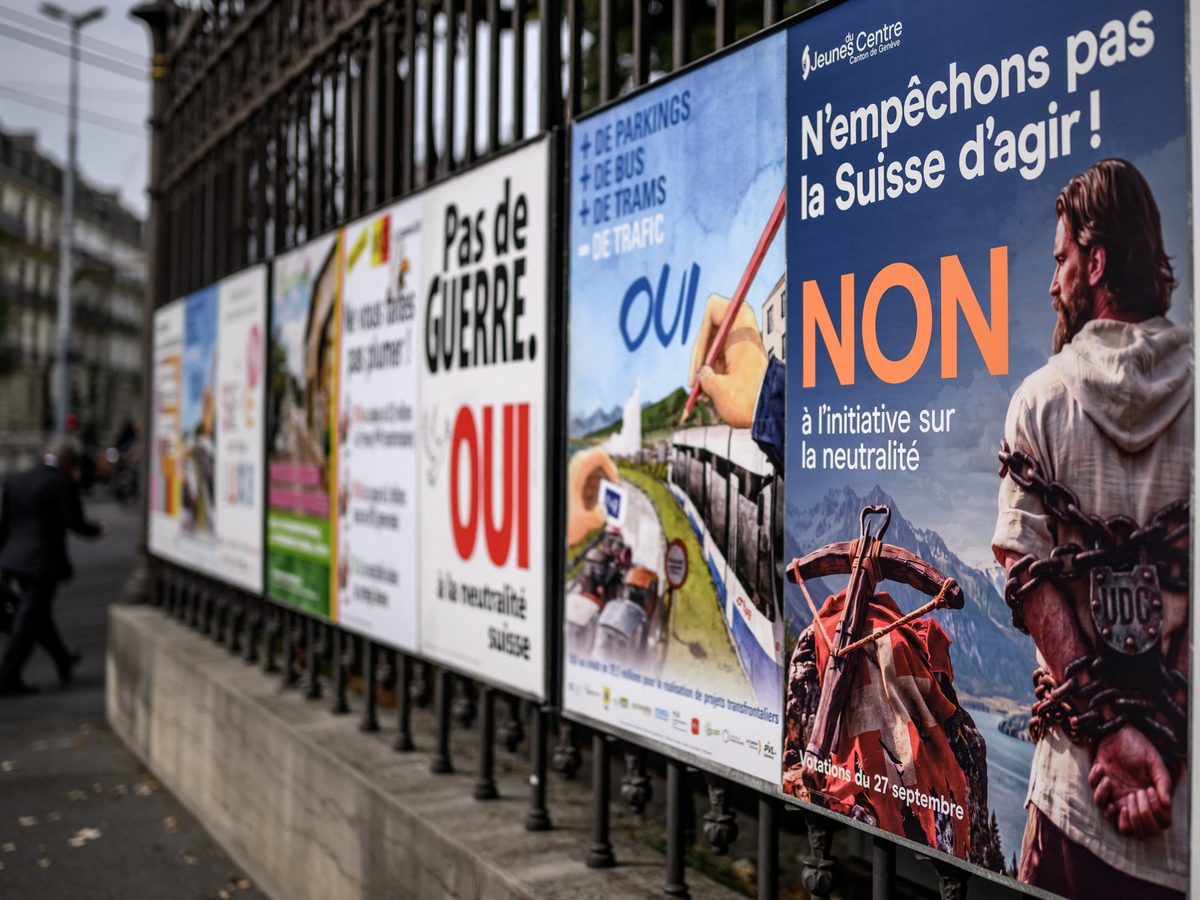
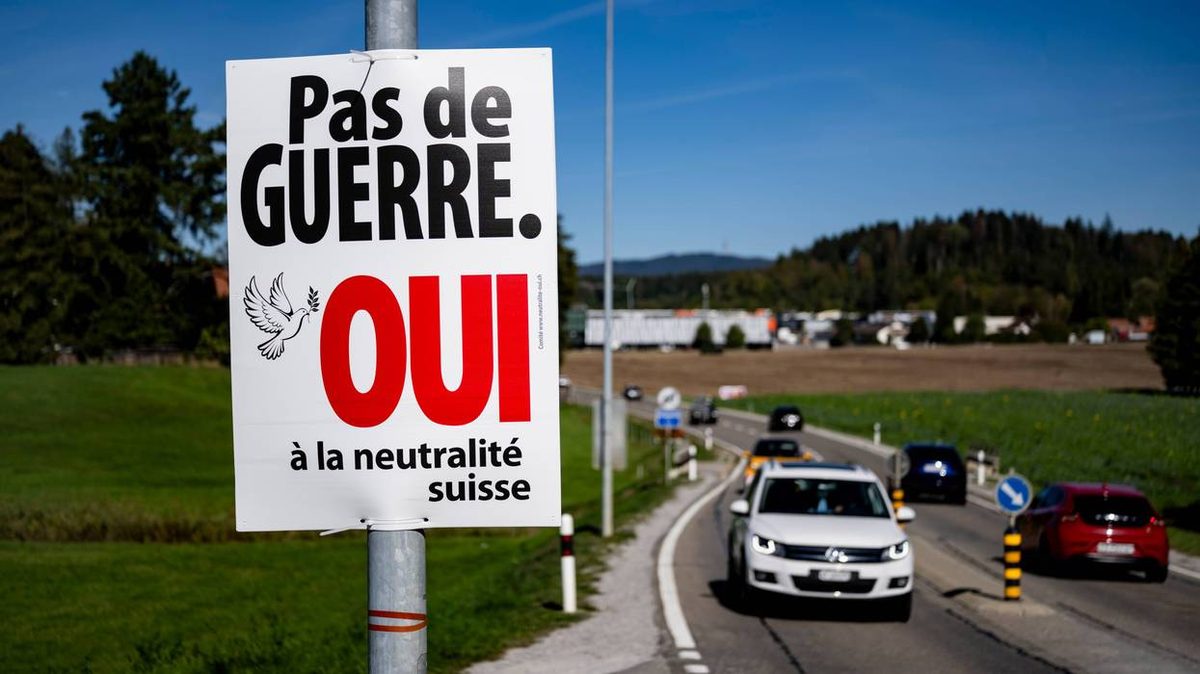
Swiss voters rejected a proposal to lock a stricter form of neutrality into their constitution on September 27. The final count showed 70.1 percent voting No, with all 26 cantons rejecting the plan.

The initiative would have barred Switzerland from joining military alliances and from imposing economic sanctions not ordered by the United Nations Security Council. In practice, it would have meant dropping the European Union sanctions the Swiss government placed on Russia after the 2022 invasion. Voters kept the flexible practice the government has run since then.

Why it matters

Had it passed, Switzerland would have dropped EU sanctions on Russia, opening a loophole for sanctions evasion in the middle of Europe.

Questions about this story

Free account needed to ask — your question is kept and asked for you right after sign-up. Answers are public.

No questions yet — be the first to ask.

Key Indicators

70.1%
Voters who rejected the initiative
Final official result, with all 26 cantons voting No.
29.9%
Voters who backed the initiative
The Yes share, concentrated among older voters and the political right.
0
Cantons that approved the initiative
Every one of Switzerland's 26 cantons voted No, killing the proposal's required cantonal majority.

Voices

Curated perspectives — historical figures and your fellow readers.

Sign up to generate historical perspectives on this story.

People Involved

Organizations Involved

Timeline

1848 September 2026

7 events Latest: September 27th, 2026 · 1 month ago
Tap a bar to jump to that date
  1. Voters reject the neutrality initiative

    Latest Referendum

    70.1% of voters reject enshrining stricter neutrality; all 26 cantons vote No, clearing the required cantonal majority.

  2. Swiss authorities confirm Russian disinformation targeted the vote

    Geopolitical

    The State Secretariat for Security Policy said coordinated, covert disinformation operations were observed around the referendum. It does not believe foreign actors had a decisive impact.

  3. Cassis: result 'not a vote against neutrality'

    Government response

    Foreign Minister Ignazio Cassis said the vote keeps Switzerland's maneuvering room on sanctions. He argued the government can continue deciding case by case whether sanctions serve Swiss interests.

  4. Food self-sufficiency initiative also defeated

    Referendum

    A separate initiative demanding 70% national food self-sufficiency failed on the same ballot, with 72.5% voting No.

  5. Russia invades Ukraine

    Geopolitical

    Moscow's full-scale assault on Ukraine sets off a security reassessment across Europe, including in neutral states.

  6. Switzerland adopts EU sanctions on Russia

    Policy shift

    The Federal Council adopts the EU's sanctions against Russia, breaking precedent by sanctioning a belligerent state.

  7. Neutrality embedded in the constitution

    Constitutional founding

    The 1848 Swiss constitution inscribed perpetual and armed neutrality, established practice since the Congress of Vienna.

Scenarios

1

Status quo holds: flexible neutrality continues

Likely Resolves by Q2 2027

Discussed by: Swiss Federal Council and the parliamentary majority that recommended a No vote

With the initiative dead, the government keeps its current practice: adopting EU sanctions where it judges international law requires them, and continuing cooperation with NATO for exercises and interoperability. The absolutist reading loses any near-term political vehicle.

2

Arms export rules loosen for Ukraine

Possible Resolves by End of 2027

Discussed by: Swiss media and defence officials (swissinfo, SRF)

Rejection clears the way for the next debate: Swiss-made weapons currently cannot be re-exported to conflict zones, blocking them from reaching Ukraine. Pressure mounts on the Federal Council to relax the rules, which supporters argue is compatible with the flexible neutrality voters just endorsed.

3

SVP launches a new neutrality initiative

Uncertain Resolves by End of 2027

Discussed by: Swiss People's Party leadership

The party and its Pro Switzerland allies, shaken by the scale of defeat, may reframe their push around arms exports or closer NATO ties and launch a fresh popular initiative. Signature collection would take years, making this a slow-burn scenario.

4

Voters approve arms export reform on November 29

Possible Resolves by Nov 29, 2026

Discussed by: Swiss media (swissinfo, Politico)

The November 29 referendum would let Switzerland export weapons to 25 mostly Western partner states involved in conflicts, though not to Ukraine. Passage would ease the neutrality constraints that have blocked Swiss-made arms from reaching Ukraine. The left opposes the reform, fearing Swiss weapons will end up in conflict zones.

5

EU treaty package faces a referendum of its own

Uncertain

Discussed by: Brussels Signal

The treaties Switzerland signed with the EU on March 2, 2026, covering electricity, food safety, health and free movement of persons, are expected to face a national referendum. The outcome will test how far voters want to deepen EU ties after rejecting the hard-line neutrality initiative.

Historical Context

2 moments from history that rhyme with this story — and how they unfolded.

February 2022 – March 2024

Finland and Sweden drop neutrality for NATO (2022–2024)

Russia's full-scale invasion of Ukraine in February 2022 pushed Finland and Sweden to abandon decades of non-alignment. Both applied for NATO membership within months; Finland joined in April 2023, Sweden in March 2024.

Then

NATO gained two new members and closed its Baltic flank; both countries ended their long-standing neutrality.

Now

The Nordic shift showed Russia's invasion reshaping how European states define neutrality and security.

Why this matters now

The same invasion prompted Switzerland's sanction U-turn. The Swiss vote shows voters accepting partial alignment while keeping formal neutrality — a middle path between the Nordic break and absolutist neutrality.

December 1992

Switzerland rejects EEA membership (1992)

Swiss voters narrowly rejected joining the European Economic Area, which would have tied Switzerland closely to the then-EEC. The vote came as Europe deepened integration after the Cold War.

Then

Switzerland stayed outside the EU and EEA, negotiating bilateral treaties instead.

Now

The decision set Switzerland's path as a wealthy non-member, independent but deeply tied to Europe.

Why this matters now

A second instance of Swiss voters keeping a distinct European path — this time, refusing to sever policy ties with Europe rather than refusing to join them.

Sources

(19)