
Pull to refresh
Logo
University of Sydney opens Australia's first single-cell cancer proteomics lab

University of Sydney opens Australia's first single-cell cancer proteomics lab

New Capabilities

National facility analyzes proteins inside individual cancer cells to understand drug resistance

Today: ACRF Single Cell Cancer Proteomics Laboratory opens

Overview

Updated 1 hour ago

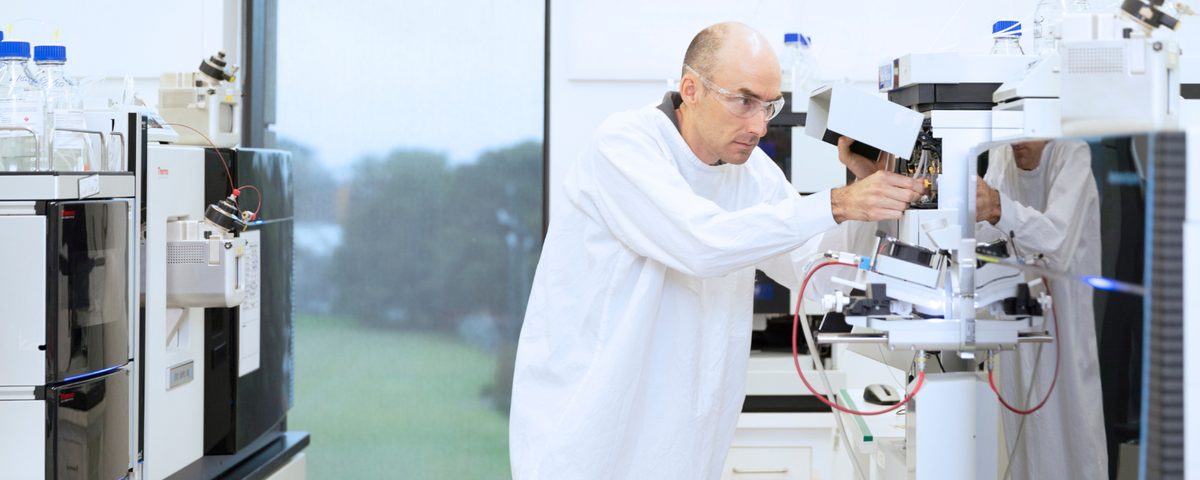
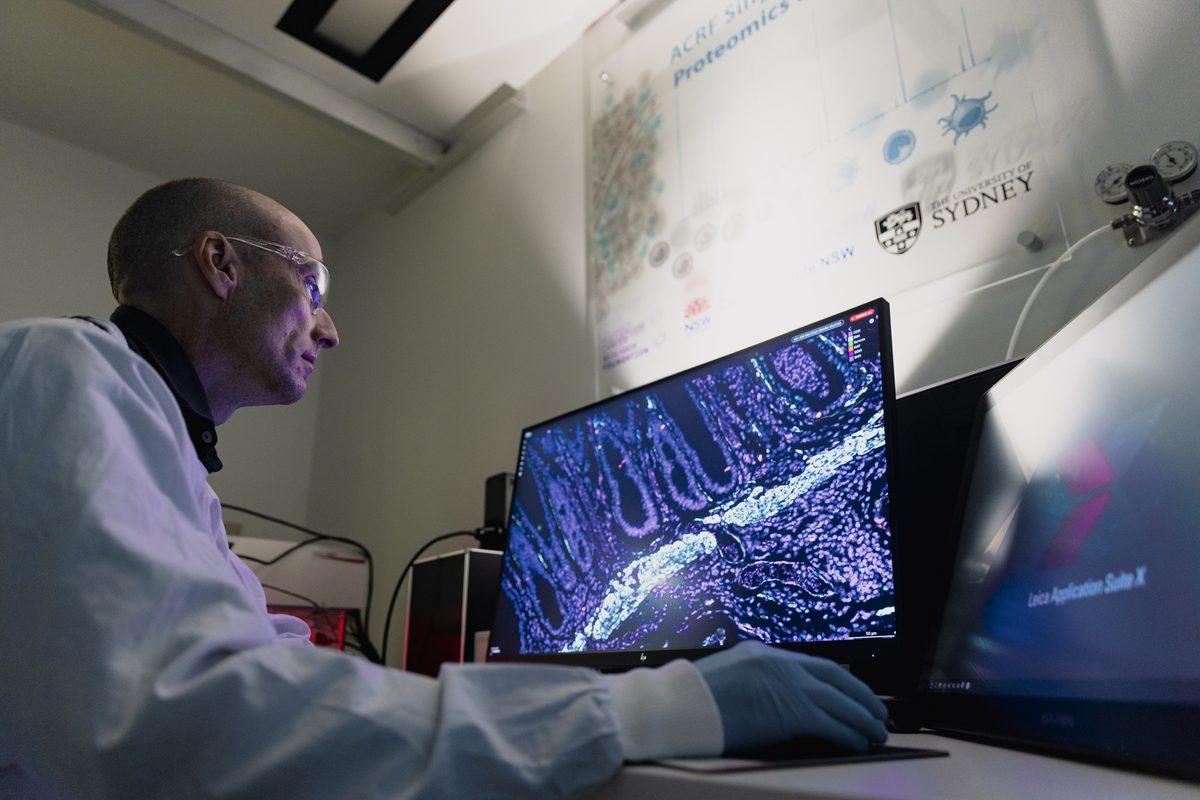
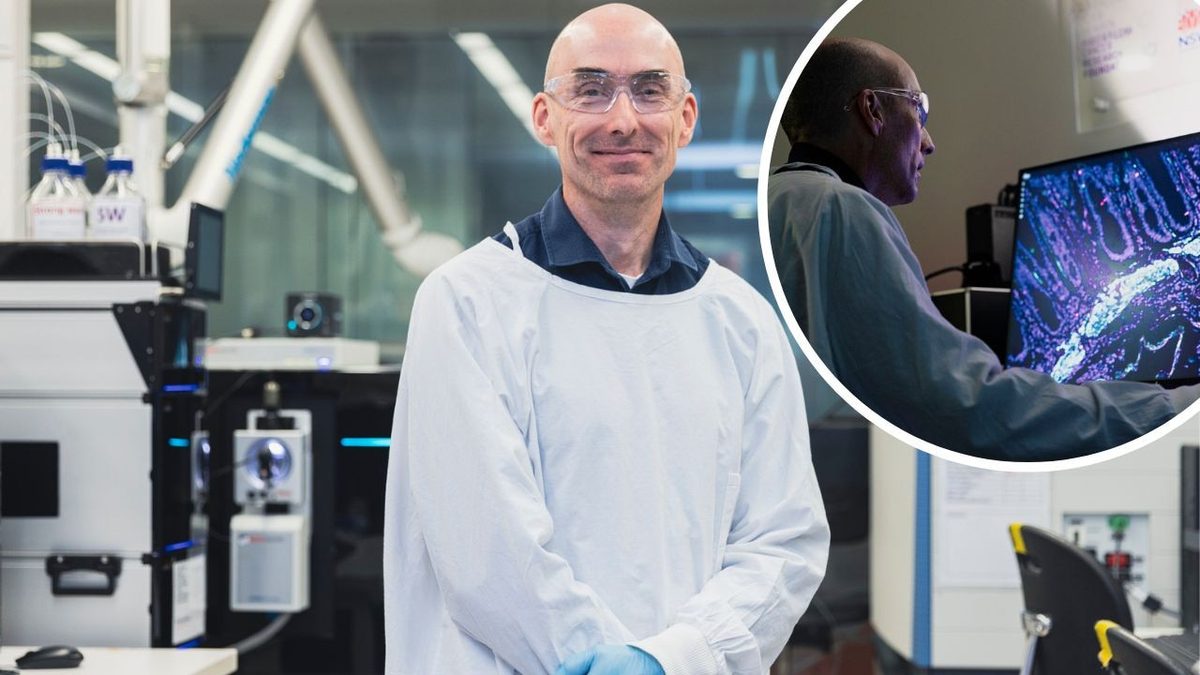
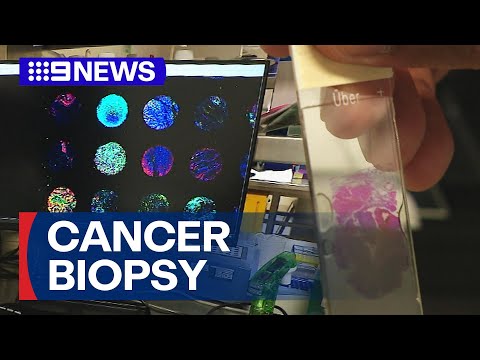
A new lab at the University of Sydney can now measure the proteins inside individual cancer cells — one cell at a time, thousands of proteins per cell. It's Australia's first facility built entirely for single-cell cancer proteomics, and it opened on September 22.

Chemotherapy usually kills most cancer cells. A small population, called 'persister cells,' survives treatment, regrows, and sometimes spreads to other organs. Researchers at this lab want to find what makes those cells different — and what they're vulnerable to.

Why it matters

Researchers could find why 'persister' cancer cells resist treatment, enabling drugs that target drug-resistant tumors and improve survival for melanoma and glioblastoma patients.

Questions about this story

Free account needed to ask — your question is kept and asked for you right after sign-up. Answers are public.

No questions yet — be the first to ask.

Key Indicators

$4.2M
Combined investment in the facility
From the Australian Cancer Research Foundation and the University of Sydney, with support from the Cancer Institute NSW.
5,000
Proteins analyzable per single cell
Throughput enabled by the Thermo Fisher Scientific Orbitrap Astral Zoom mass spectrometer.
90
Cells analyzable per day
Reproducible single-cell quantification rate for the discovery proteomics workflow.
1st
Australia's first dedicated single-cell cancer proteomics laboratory
The facility is a national resource available to researchers across Australia.

Voices

Curated perspectives — historical figures and your fellow readers.

Ever wondered what historical figures would say about today's headlines?

Sign up to generate historical perspectives on this story.

People Involved

Organizations Involved

Timeline

December 2025 September 2026

2 events Latest: Today
  1. ACRF Single Cell Cancer Proteomics Laboratory opens

    Today Facility Launch

    The University of Sydney officially opened the facility at the Charles Perkins Centre, making it Australia's first dedicated single-cell cancer proteomics lab available as a national research resource.

  2. ACRF awards $1.8M grant for single-cell proteomics lab

    Funding

    The Australian Cancer Research Foundation announced a $1.8 million grant to the University of Sydney to build Australia's first single-cell cancer proteomics laboratory. The Cancer Institute NSW committed $100,000 per year for five years.

Scenarios

1

Single-cell lab identifies mechanism behind drug-resistant cancer

Likely Resolves by Sep 22, 2028

Discussed by: University of Sydney researchers led by Mark Larance; melanoma and glioblastoma research community

The lab's primary research targets are melanoma, glioblastoma, and persistent breast and prostate cancers. Researchers will analyze patient-derived cell lines and tissue samples to identify why some cancer cells survive chemotherapy while others die. A peer-reviewed paper describing a specific resistance mechanism in a solid tumor would validate the approach and point toward new drug targets.

2

Single-cell proteomics findings reach clinical trials

Possible Resolves by Sep 22, 2029

Discussed by: University of Sydney clinical partners including Melanoma Institute Australia and Chris O'Brien Lifehouse

The lab has direct clinical collaborations with Melanoma Institute Australia, Chris O'Brien Lifehouse, and NSW Health Pathology. If single-cell proteomics data from patient samples identifies a drug target in treatment-resistant cells, researchers could design a clinical trial testing a drug against that target. Trial registration would mark the transition from discovery science to patient treatment.

3

National adoption of the facility falls short

Unlikely Resolves by Sep 22, 2028

Discussed by: No specific analysts track this; it is a standard risk for shared research infrastructure

The facility is designed as a national resource, but its impact depends on whether researchers at other Australian institutions actually use it. Mass spectrometry workflows require specialized training, and some labs may prefer established bulk-analysis methods. Low adoption in the first two years would reduce the return on the $4.2 million investment.

Historical Context

3 moments from history that rhyme with this story — and how they unfolded.

April 1990

Hubble Space Telescope launch (1990)

NASA launched the Hubble Space Telescope in April 1990, giving astronomers the clearest views of distant galaxies yet achieved. The telescope revealed thousands of previously unseen galaxies and helped measure the universe's expansion rate. Mark Larance uses Hubble as his analogy for the new mass spectrometer: an observation platform that sees what was previously invisible.

Then

Hubble transformed observational astronomy, producing discoveries that reshaped cosmology within its first decade.

Now

The telescope operated for over 30 years, establishing the model of shared national scientific infrastructure that transforms a field.

Why this matters now

Larance explicitly calls the Orbitrap Astral Zoom the 'Hubble Space Telescope' for cancer cells — a shared observation platform that reveals what researchers previously could not see.

1990-2003

Human Genome Project (1990-2003)

The Human Genome Project was an international effort to map the complete human DNA sequence. It took 13 years, cost about $3 billion, and created a shared biological research platform that changed medicine.

Then

The genome sequence accelerated gene discovery for rare diseases and cancer mutations within years.

Now

It established the precedent that shared national research infrastructure can transform biological discovery and patient care.

Why this matters now

Like the genome project, this lab is a shared national platform — a research resource built for use by institutions across Australia, not just its host university.

2013-2018

Single-cell RNA sequencing revolution (2013-2018)

The development of single-cell RNA sequencing around 2013 let researchers profile gene expression in individual cells for the first time. This revealed that tumors previously treated as uniform masses actually contain many distinct cell types with different behaviors and treatment responses.

Then

Single-cell transcriptomics became a standard research tool and transformed understanding of tumor heterogeneity.

Now

It enabled cell atlas projects and precision medicine approaches that classify tumors by cell composition rather than tissue of origin.

Why this matters now

Single-cell proteomics measures the actual working molecules — proteins — rather than the RNA blueprint. The new lab's approach has lower technical variability than transcriptomics and captures a wider dynamic range of biological states.

Sources

(6)