


Pull to refresh
Logo
Tech7 wins SBIR to build Space Development Agency testbed for proliferated LEO tech

Tech7 wins SBIR to build Space Development Agency testbed for proliferated LEO tech

New Capabilities

Direct to Phase II award extends Tech7's TRACE 2.0 platform into SDA's rapid-integration pipeline

Today: Tech7 wins Direct to Phase II SBIR for PLATE

Overview

Updated 1 hour ago

The Space Development Agency is buying a testbed to vet third-party satellite technology before committing to full integration. Tech7 Company, a Colorado Springs defense contractor, won a Direct to Phase II Small Business Innovation Research (SBIR) contract, facilitated by the Space Force's innovation arm SpaceWERX, to build it — the Proliferated LEO Agile Testbed Environment, called PLATE. Tech7 announced the award on October 19, 2026.

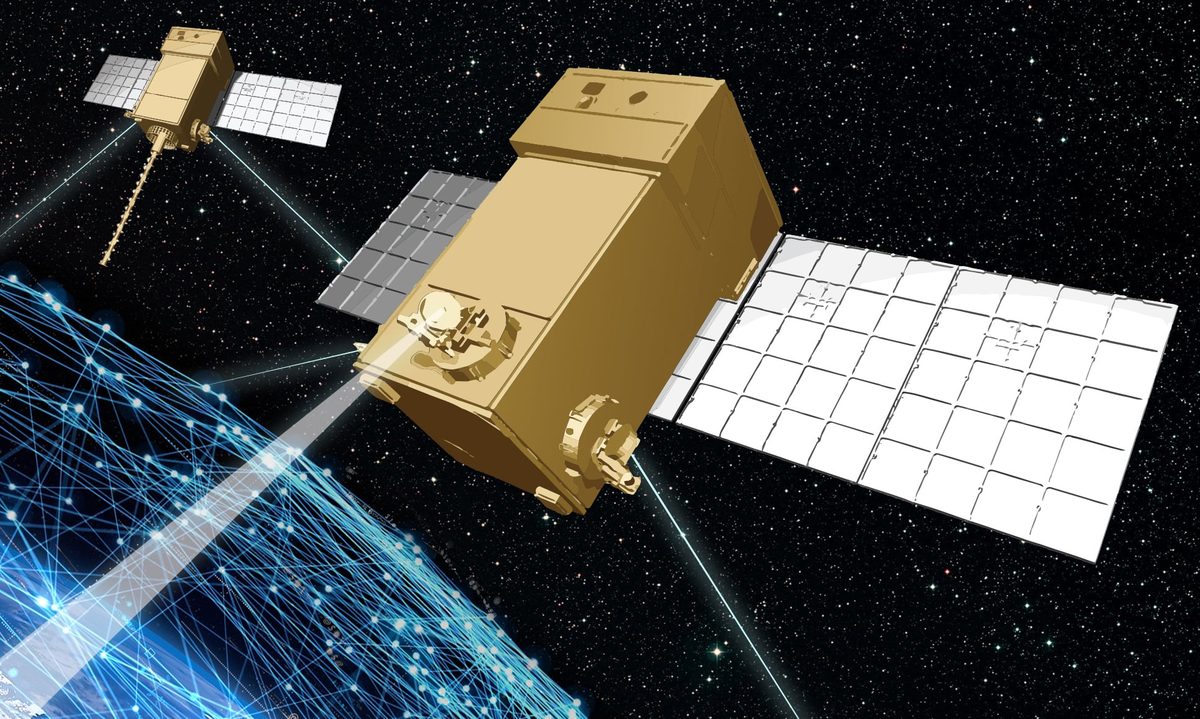
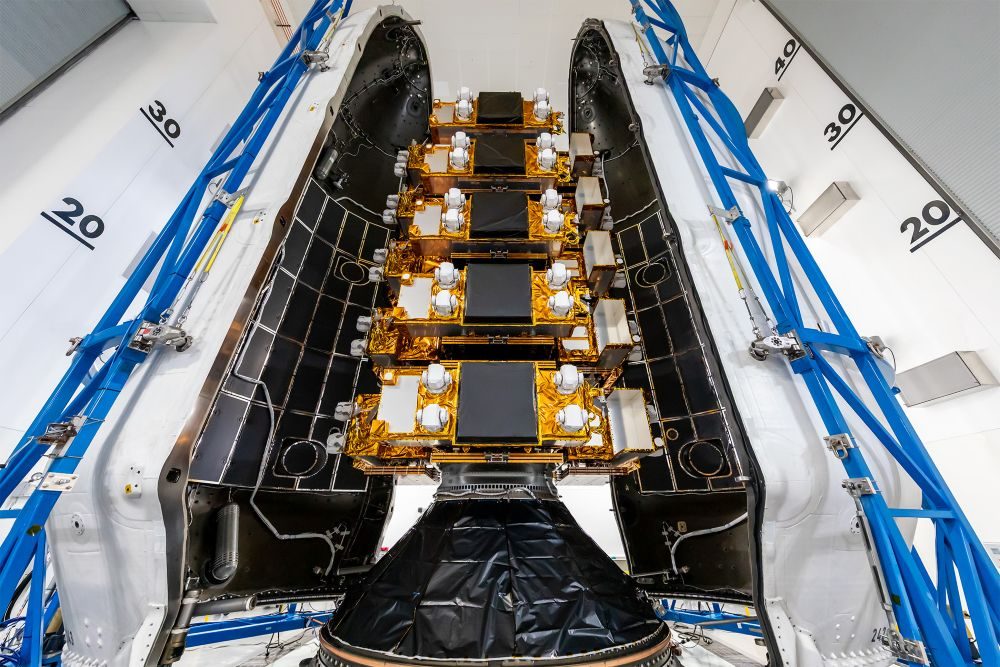
PLATE extends Tech7's TRACE 2.0 platform, which already holds a $489M IDIQ contract spanning three federal departments. For SDA, the testbed is a way to compress the lengthy process of evaluating and integrating new capabilities into its Proliferated Warfighter Space Architecture (PWSA) — the low Earth orbit constellation at the core of its missile warning and tracking plans.

Why it matters

PLATE gives SDA a faster path to evaluate and integrate third-party satellite tech into the military's largest LEO constellation program.

Questions about this story

Free account needed to ask — your question is kept and asked for you right after sign-up. Answers are public.

No questions yet — be the first to ask.

Key Indicators

$489 million
TRACE 2.0 IDIQ contract ceiling
Tech7's Phase III SBIR IDIQ awarded by GSA in August 2025, covering DoD, DHS, and DOC missions.
$158.9 million
First TRACE 2.0 task order
Awarded March 2026 to support the Space Force's space domain awareness mission under BMC3I.
19
Companies in SDA's HALO pool
SDA's parallel rapid-prototyping vehicle, selected October 2024 to compete for future demonstration orders.

Voices

Curated perspectives — historical figures and your fellow readers.

Ever wondered what historical figures would say about today's headlines?

Sign up to generate historical perspectives on this story.

People Involved

Organizations Involved

Timeline

February 2022 October 2026

5 events Latest: Today
Tap a bar to jump to that date
  1. Tech7 wins Direct to Phase II SBIR for PLATE

    Today Contract Award

    SpaceWERX-facilitated award funds Tech7 to build the Proliferated LEO Agile Testbed Environment for SDA.

  2. Tech7 receives $158.9M first task order for USSF

    Contract Award

    Task Order 1 supports space domain awareness for the Space Force's BMC3I office, using TRACE 2.0 digital workflows.

  3. Tech7 awarded $489M TRACE 2.0 SBIR Phase III IDIQ

    Contract Award

    GSA contract lets Tech7 develop and deploy TRACE 2.0 across DoD, DHS, and DOC for rapid tech integration.

  4. SDA selects 19 companies for HALO rapid prototyping pool

    Procurement

    SDA's Hybrid Acquisition for Proliferated LEO Orbit pool lets pre-vetted vendors compete for fast demonstration orders.

  5. SSCI demonstrates AI edge processing for SDA's POET experiment

    Demonstration

    Scientific Systems Company ran a cloud-detection app on Loft Orbital's satellite-servicing platform, showing third-party software could integrate on-orbit in weeks.

Scenarios

1

PLATE becomes SDA's integration pipeline for future PWSA tranches

Likely Resolves by End of 2027

Discussed by: Tech7's own framing — the company pitches the testbed as an end-to-end pipeline from gap analysis to operational deployment

PLATE moves from prototype to operational capability, vetting third-party technologies ahead of PWSA Tranche 3 and beyond. SDA places follow-on task orders that make the testbed a standing part of how the agency evaluates new capabilities. A telltale sign would be SDA citing PLATE results in an official request for proposals or prototype order.

2

PLATE stays a demonstration, HALO absorbs the workload

Possible Resolves by End of 2027

Discussed by: SDA's own acquisition strategy, which already routes rapid prototyping through the 19-company HALO pool

PLATE delivers a successful prototype but does not become the standing testbed. SDA instead issues HALO prototype orders that cover similar test-and-evaluation functions, spreading the work across its vendor pool. PLATE would remain a one-off demonstration, and Tech7's SDA role stays confined to the TRACE 2.0 task order.

3

PLATE expands beyond SDA to other federal agencies

Possible Resolves by Q2 2028

Discussed by: Tech7's TRACE 2.0 IDIQ, which already spans DoD, DHS, and DOC

Built on the TRACE 2.0 platform, PLATE gains traction with other agencies facing similar technology-integration timelines. A second department places a task order or exercises an option to use the testbed. This would mirror the original TRACE 2.0 contract structure, where one platform serves multiple missions.

Historical Context

2 moments from history that rhyme with this story — and how they unfolded.

February 2022

POET on-orbit experiment (2022)

Scientific Systems Company ran an AI cloud-detection app on Loft Orbital's YAM-3 satellite-as-a-service platform. The software, funded through a separate BlackSky contract, integrated in four weeks from delivery to execution — a first step toward SDA's edge-processing goal.

Then

SDA demonstrated third-party software could upload and run on-orbit in weeks, not years.

Now

The experiment informed edge processor sizing for SDA's proliferated architecture and validated the satellite-as-a-service model for testbeds.

Why this matters now

PLATE aims to formalize and expand this pattern — a dedicated testbed where SDA can evaluate multiple third-party technologies before a full integration decision.

October 2024

SDA HALO pool selection (2024)

SDA selected 19 non-traditional space companies for its Hybrid Acquisition for Proliferated LEO Orbit pool. Each received $20,000 to cover administrative costs and became eligible to compete for rapid prototype demonstration orders.

Then

SDA built a pre-vetted vendor pool capable of bidding on future demonstration projects within months.

Now

HALO broadened the performer base for future PWSA tranches and gave SDA a faster contracting mechanism alongside traditional SBIRs.

Why this matters now

PLATE sits alongside HALO as another vehicle in SDA's toolkit for rapid tech evaluation. Whether they complement or overlap will shape how SDA brings new capabilities into the architecture.

Sources

(5)