


Pull to refresh
Logo
Momentus tracks NASA satellite with low-cost AI sensors in orbital proximity test

Momentus tracks NASA satellite with low-cost AI sensors in orbital proximity test

New Capabilities

A commercial off-the-shelf LiDAR and camera suite validated autonomous rendezvous operations for the Space Force

Yesterday: Demonstration details publicized

Overview

Updated Yesterday

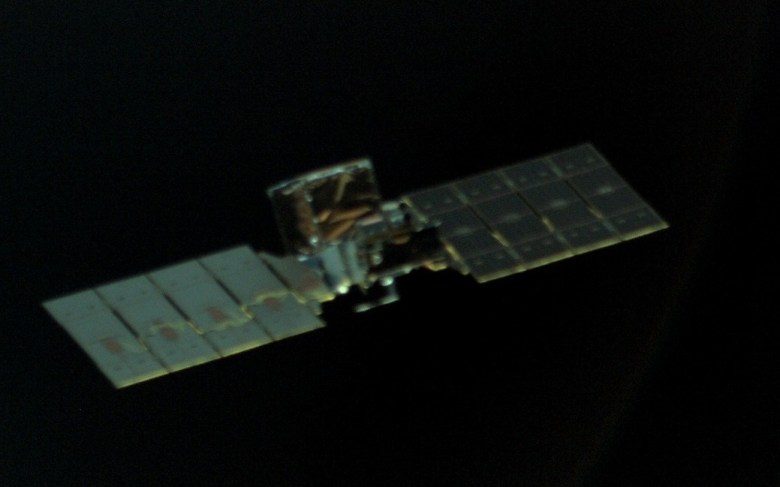
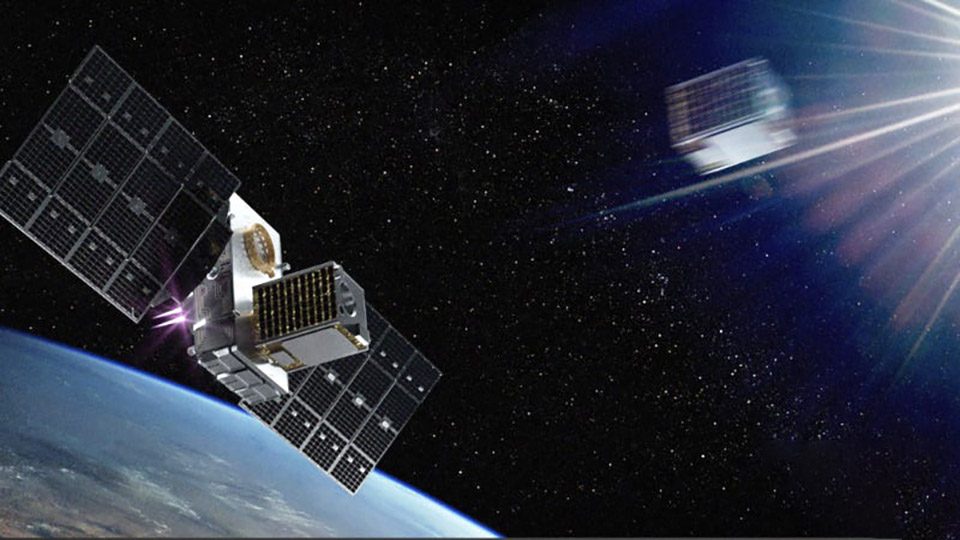
Momentus proved it can track and characterize a NASA CubeSat in orbit using a sensor suite built from commercial off-the-shelf parts, not the expensive military-grade hardware that usually does this work. The company's Vigoride-7 Orbital Service Vehicle used optical cameras, a compact solid-state LiDAR unit, and onboard edge-computing microprocessors to run autonomous rendezvous and proximity operations (RPO) in any lighting condition. Vigoride-7 launched in March 2026 aboard SpaceX's Transporter-16 rideshare mission, and the demonstration ran under a $1.86 million SpaceWERX contract from the U.S. Space Force's innovation arm.

The significance is cost. Autonomous RPO — the ability for one spacecraft to approach, inspect, and maneuver around another — is what future satellite servicing, life extension, and debris removal will depend on. If commercial hardware can do it reliably, the economics of in-orbit services change. Momentus says the validated architecture will go into future Vigoride vehicles for satellite life-extension awards, orbital transfer missions, and multi-target active debris removal campaigns through 2027.

Why it matters

If low-cost commercial sensors can handle autonomous orbital maneuvering, satellite servicing and debris removal become viable businesses instead of government-only programs.

Questions about this story

Free account needed to ask — your question is kept and asked for you right after sign-up. Answers are public.

No questions yet — be the first to ask.

Key Indicators

$1.86M
SpaceWERX contract value
Awarded to Momentus for the Space Maneuver Challenge demonstration
6U
NASA R5-S10 CubeSat size
The target satellite deployed by Vigoride-7 for the proximity operations
March 2026
Vigoride-7 launch
Launched aboard SpaceX Transporter-16 rideshare mission

Voices

Curated perspectives — historical figures and your fellow readers.

Ever wondered what historical figures would say about today's headlines?

Sign up to generate historical perspectives on this story.

People Involved

Organizations Involved

Timeline

March 2026 October 2026

3 events Latest: Yesterday
  1. Demonstration details publicized

    Latest Announcement

    Momentus publicized full results, including Solstar Deke communications performance and plans to integrate validated sensors into future Vigoride vehicles.

  2. Momentus completes RPO demonstration with NASA CubeSat

    Demonstration

    Vigoride-7 deployed NASA's R5-S10 CubeSat and used commercial optical, infrared, and LiDAR sensors with AI processing to track it autonomously under multiple lighting conditions.

  3. Vigoride-7 launches on Transporter-16

    Launch

    Momentus's Vigoride-7 Orbital Service Vehicle launched aboard SpaceX's rideshare mission.

Scenarios

1

Momentus lands commercial satellite servicing contracts

Possible Resolves by End of 2027

Discussed by: Company statements and SpaceWERX program context

With the validated sensor architecture, Momentus pursues commercial life-extension awards and orbital transfer contracts through 2027. The company's statements point to government and commercial opportunities in emerging space infrastructure markets, with Vigoride-8 flying two NASA payloads in 2027.

2

Space Force scales the approach into operational programs

Possible Resolves by Q2 2027

Discussed by: SpaceWERX Space Maneuver Challenge program intent

The demonstration feeds into Space Force thinking on low-cost autonomous RPO. If the commercial sensor suite proves reliable for inspection missions, the service could award follow-on contracts or fold the approach into broader orbital maneuver programs.

3

Vigoride-8 launch validates the platform at scale

Likely Resolves by End of 2027

Discussed by: Momentus mission schedule

The fully booked Vigoride-8 mission carrying two NASA payloads is scheduled for 2027. If the validated sensor architecture performs well on that mission, it establishes the Vigoride platform as a repeatable testbed for space infrastructure technology, opening more payload slots and revenue.

Historical Context

2 moments from history that rhyme with this story — and how they unfolded.

March-July 2007

DARPA Orbital Express (2007)

DARPA's Orbital Express program demonstrated autonomous satellite refueling and servicing in orbit, with the ASTRO spacecraft rendezvousing and docking with the NextSat target satellite repeatedly over several months.

Then

The program proved technical feasibility of fully autonomous on-orbit servicing and docking.

Now

It set the baseline for what autonomous RPO requires, but relied on custom-built, high-cost military systems — exactly what Momentus is trying to replace.

Why this matters now

Orbital Express showed the capability is possible but expensive. Momentus's demonstration is the counter-example: commercial parts doing the same class of work at a fraction of the cost.

February 2020

Northrop Grumman MEV-1 (2020)

Northrop Grumman's Mission Extension Vehicle-1 docked with Intelsat 901, a communications satellite that had run low on fuel, to provide station-keeping for an additional five years.

Then

The successful docking proved commercial satellite life-extension is a real market, not a concept.

Now

It opened the satellite servicing industry and demonstrated that in-orbit rendezvous and docking can be a paid commercial service.

Why this matters now

MEV-1 proved servicing demand exists. Momentus's low-cost sensor suite attacks the cost side of the same equation, which could broaden who can afford to participate.

Sources

(9)