
Pull to refresh
Logo
Terex agrees to sell Genie to Linamar, exiting aerial lifts

Terex agrees to sell Genie to Linamar, exiting aerial lifts

Money Moves

A $1.4 billion cash deal turns Terex into a specialty equipment maker and pairs Genie with Skyjack under Canadian ownership

Overview

Updated 1 hour ago

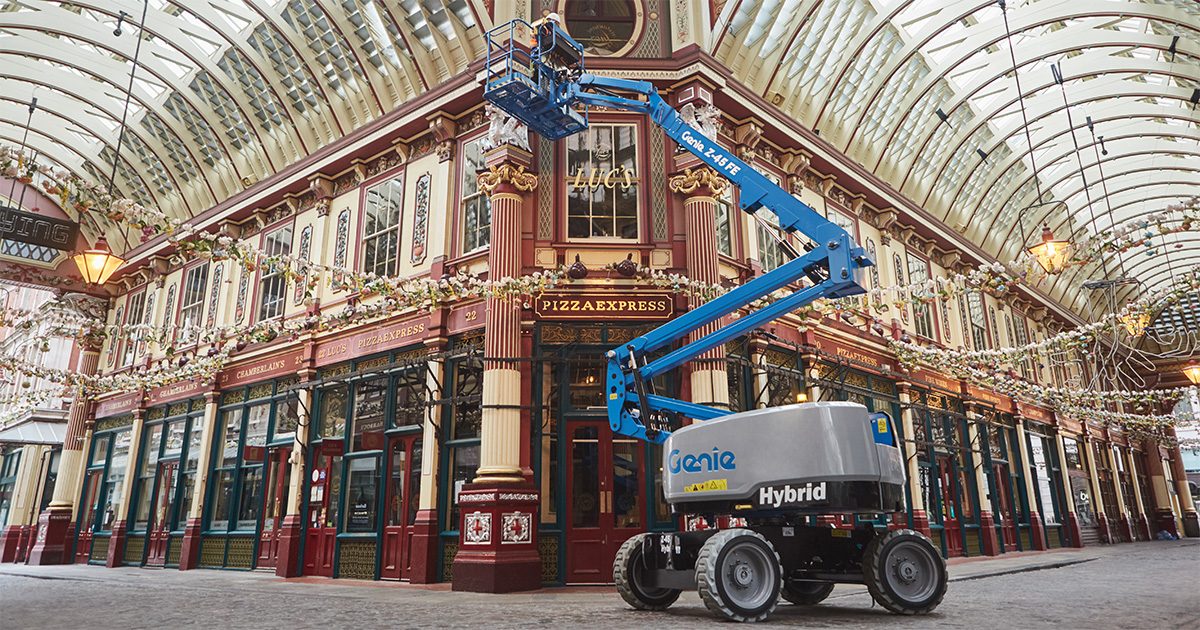
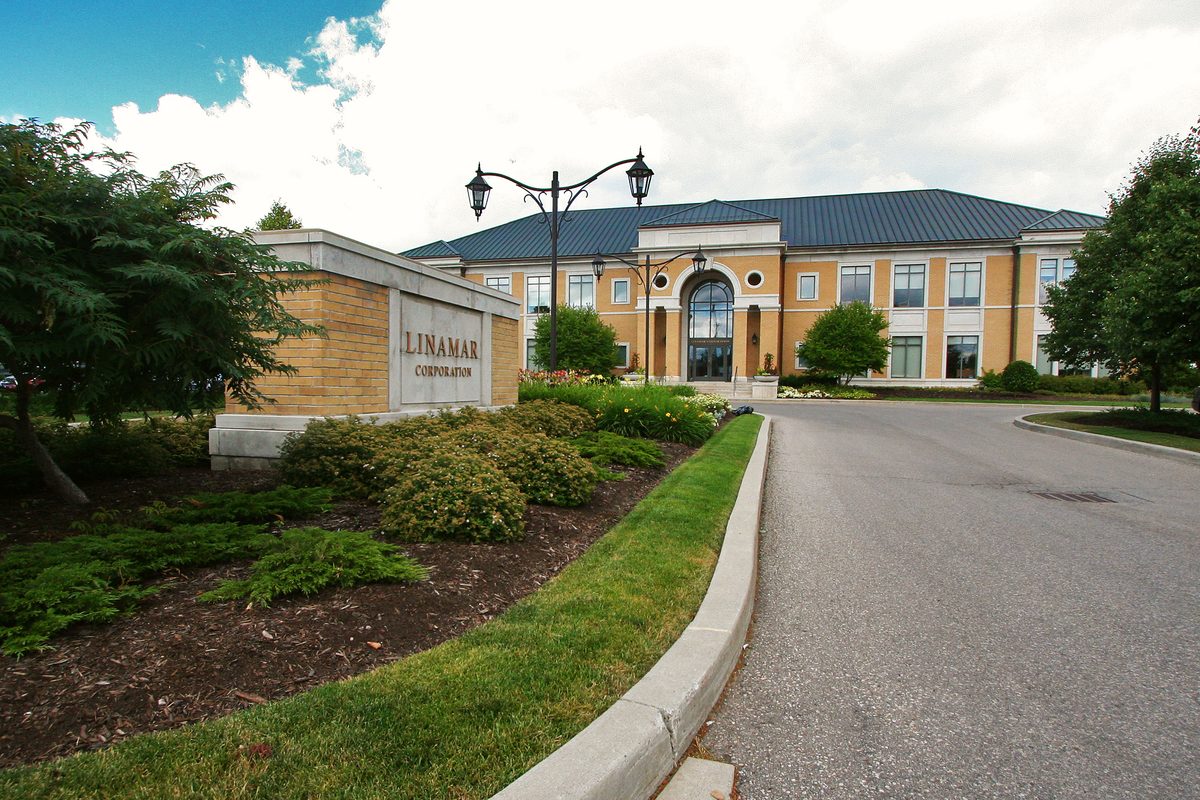
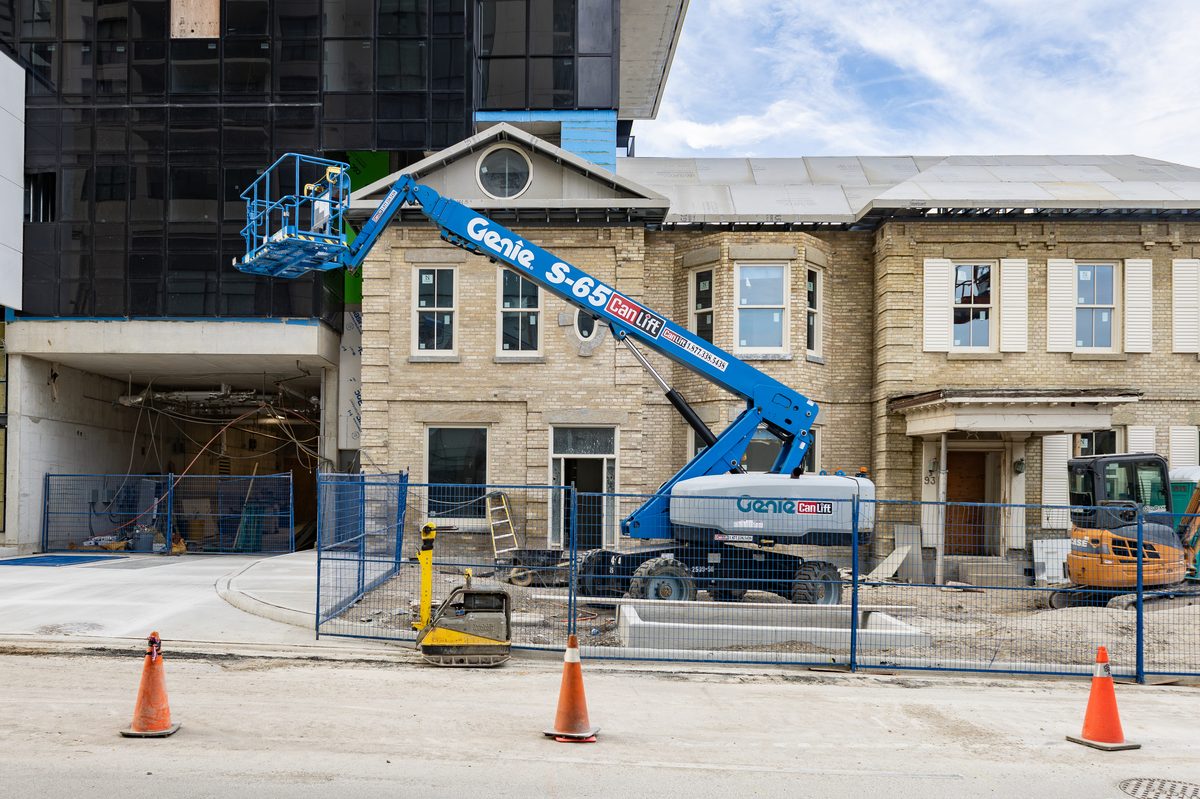
Genie boom lifts and scissor lifts have carried the Terex name for 25 years. On Nov. 23, Terex agreed to sell the business, Genie brand included, to Canada's Linamar Corporation for about $1.4 billion in cash.

The sale leaves Terex with three lines of specialty equipment: refuse and recycling gear, rock crushers, and fire trucks and ambulances. It also roughly doubles Linamar's access equipment group, which will run Genie alongside its existing Skyjack brand.

The two companies expect to close in 2027, subject to regulatory approval. Until then, Genie keeps building and servicing lifts under a Terex ownership that has already agreed to end.

Why it matters

Rental fleets across North America buy Genie lifts by the thousand; those machines will now be built by a Canadian auto-parts supplier.

Questions about this story

Free account needed to ask — your question is kept and asked for you right after sign-up. Answers are public.

No questions yet — be the first to ask.

Key Indicators

$1.4B
Cash purchase price
Linamar pays cash for the Aerials segment, subject to customary adjustments.
4,200
Genie employees joining Linamar
The workforce transfers with the business, plants and parts network.
$6.2B
Terex backlog excluding Aerials
Order book across the three businesses Terex keeps after the sale.
16.4%
Adjusted EBITDA margin, nine months 2026, ex-Aerials
Combined margin for Environmental Solutions, Materials Processing and Specialty Vehicles before corporate costs.
$4.3B
Nine-month net sales of the remaining segments
Sales for the three segments through Sept. 30, 2026, with roughly $711 million in segment Adjusted EBITDA.

Voices

Curated perspectives — historical figures and your fellow readers.

Sign up to generate historical perspectives on this story.

People Involved

Organizations Involved

Timeline

2024 November 2026

6 events Latest: Yesterday
Tap a bar to jump to that date
  1. Terex agrees to sell Aerials to Linamar for $1.4 billion

    Latest Divestiture

    Cash deal covers the Genie brand, factories and parts network; closing is expected in 2027.

  2. Meester reports talks with multiple buyers

    Earnings

    On the third-quarter call, Terex says carve-out work is advanced and buyer talks are active.

  3. REV Group merger closes

    Merger

    Terex absorbs REV's specialty vehicle lines and sets the Aerials exit in motion.

  4. Terex agrees to merge with REV Group

    Merger

    The fire truck and ambulance deal comes with a review of a Genie sale or spin-off.

  5. Terex exits its crane businesses

    Divestiture

    Terex sells its Tower and Rough Terrain Cranes businesses, narrowing the portfolio further.

  6. Terex adds Environmental Solutions Group

    Acquisition

    Terex buys a waste and recycling equipment business, its first large step toward essential-services markets.

Scenarios

1

Linamar closes the Genie purchase in 2027

Likely Resolves by End of 2027

Discussed by: Terex and Linamar, in the announcement and the accompanying investor presentation

Both companies say the deal should close in 2027 once required regulatory approvals and customary conditions are met. Terex would then run three segments and apply the net proceeds to cutting net debt, returning capital to shareholders and funding growth.

2

Regulators clear Genie-Skyjack only with remedies

Possible Resolves by Q3 2027

Discussed by: Antitrust lawyers following access equipment consolidation; neither company has disclosed review terms

Pairing Genie with Skyjack puts two of the largest aerial work platform brands under one owner, and the overlap reaches the United States, Canada and Europe. A clearance conditioned on divestitures, brand licensing or hold-separate commitments would let the deal close with a smaller combined footprint than announced.

3

The deal collapses and Terex keeps Genie

Unlikely Resolves by End of 2027

Discussed by: No named party has predicted this; it is the residual outcome if approvals or financing terms fail

Terex spent about a year carving Aerials out of its legal and tax structure, and the segment posted strong third-quarter orders. A termination would leave Terex holding a cyclical business it has already told investors it wants to exit, reviving the question of a spin-off or a sale to another buyer.

Historical Context

3 moments from history that rhyme with this story — and how they unfolded.

December 2004 – May 2005

IBM sells its PC division to Lenovo (2004–2005)

IBM, which created the personal computer market in 1981, agreed to sell its PC business to China's Lenovo and take a stake in the buyer. The division was a household name with thin margins in a price war.

Then

Lenovo became one of the world's largest PC makers and kept the ThinkPad brand.

Now

IBM moved further into software and services, while Lenovo later bought IBM's server business.

Why this matters now

A famous manufacturer trading a well-known but cyclical product line for steadier businesses is the same calculation Terex is making with Genie.

July 2016

Danaher spins off Fortive (2016)

Danaher separated its industrial testing and instrumentation businesses into a new public company, Fortive, keeping the life sciences and diagnostics operations for itself.

Then

Two focused companies replaced one mixed conglomerate, each with its own capital allocation story.

Now

Danaher continued buying in health care while Fortive ran the industrial assets independently.

Why this matters now

It shows the playbook Terex is following: separate the units tied to construction and capital spending from those with recurring, replacement-driven demand.

November 2021 – April 2024

General Electric breaks itself into three (2021–2024)

GE announced it would split into aviation, health care and energy companies, ending more than a century of one conglomerate running all three.

Then

The health care business separated in January 2023 and the energy business, GE Vernova, in April 2024.

Now

Each unit was valued on its own economics rather than on the sum of a mixed portfolio.

Why this matters now

Terex is running a smaller version of the same argument: that its parts are worth more, and are easier to run, apart.

Sources

(9)