
June 2018
Wayfair v. South Dakota (2018)
The Supreme Court ruled 5-4 that states can require online retailers to collect sales tax even without a physical presence. This overturned the 1992 Quill decision.
Then
States began requiring marketplace facilitators like Amazon to collect sales tax on behalf of sellers.
Now
The decision generated billions in new state revenue and led to a wave of marketplace facilitator laws across the country.
Why this matters now
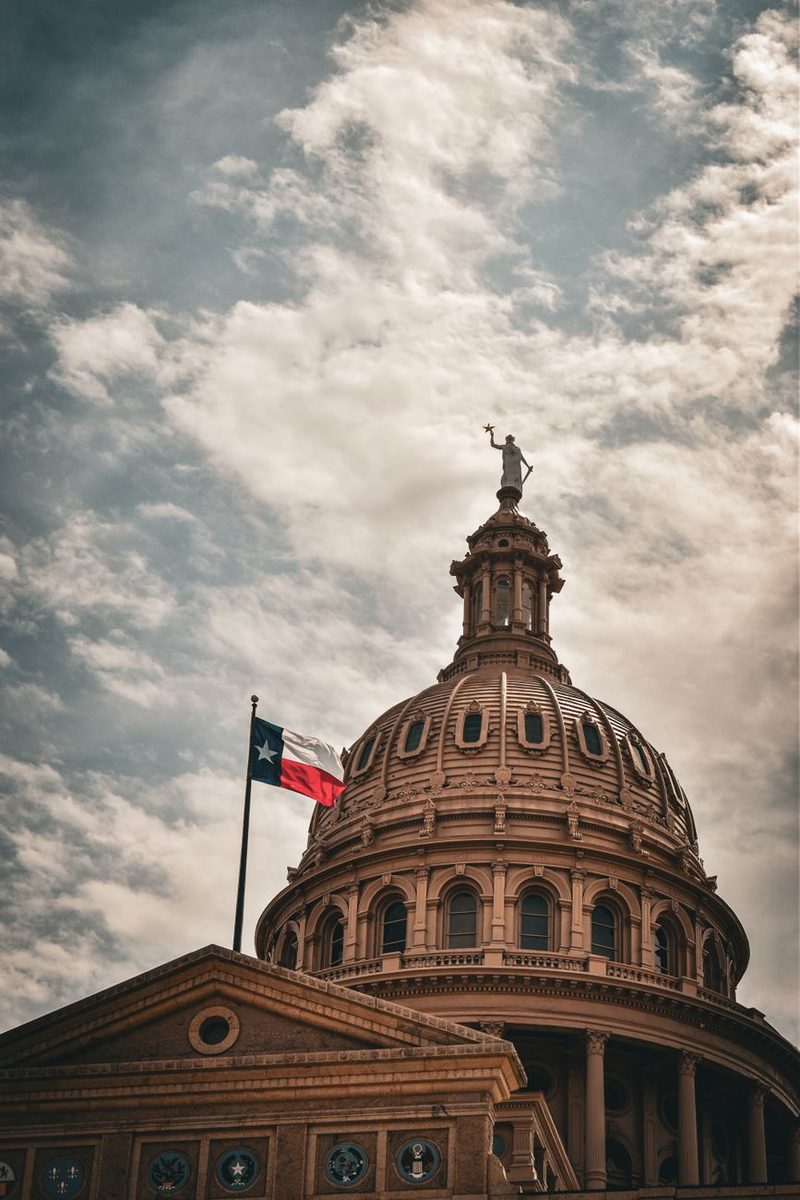
The Texas rule grapples with a related question: how to apply old tax laws to modern platforms. The 2025 interpretation was an attempt to extend the data processing tax to marketplace fees, similar to how states extended sales tax to online sales after Wayfair.