

Pull to refresh
Logo
Nepal's supreme court orders government to regulate cannabis cultivation

Nepal's supreme court orders government to regulate cannabis cultivation

Rule Changes

The full text of a May 2025 ruling, released this week, gives the government three months to write licensing rules for medical and industrial cannabis

Overview

Updated 1 hour ago

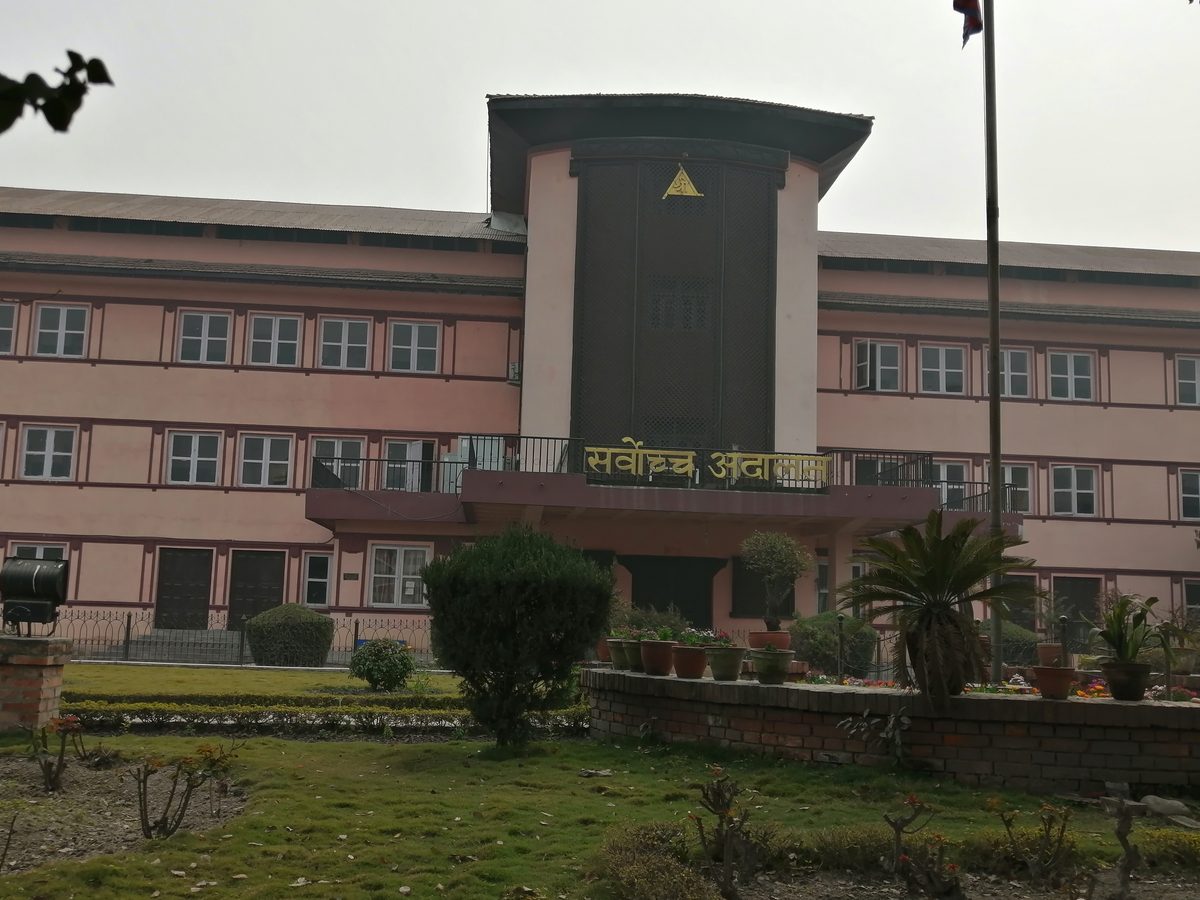
Nepal's Supreme Court has ordered the government to write rules allowing licensed cannabis cultivation for medicine, science, agriculture, horticulture and industry. The ruling was issued on May 18, 2025, but its full text became public only this week, after a fire destroyed court documents during the September 2025 protests that toppled the government.

The order gives the government three months from receipt to publish regulations, standards and a licensing system under the Narcotic Drugs (Control) Act, 1976. It does not legalize recreational use. The court instead asked the prime minister's office to consult experts and stakeholders before any change there.

Why it matters

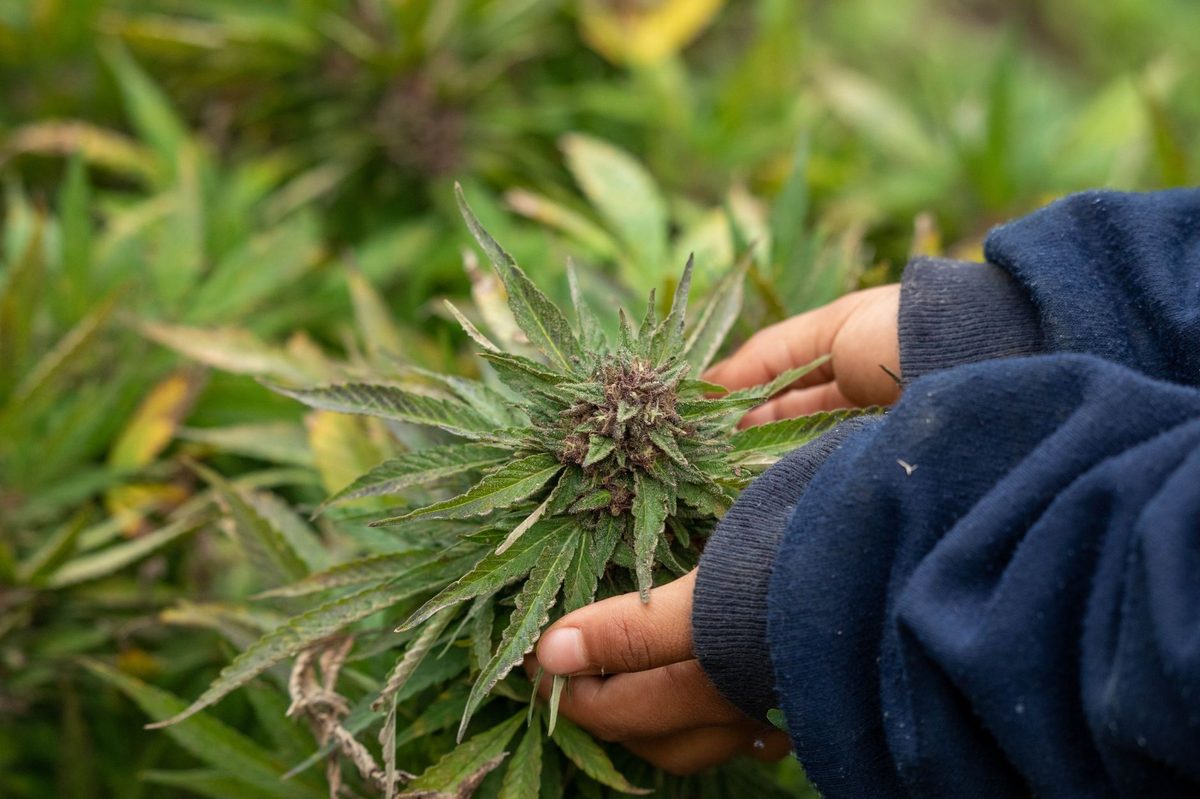
Nepal banned cannabis in 1973. New rules could let licensed farmers and processors sell a crop that already grows wild there.

Questions about this story

Free account needed to ask — your question is kept and asked for you right after sign-up. Answers are public.

No questions yet — be the first to ask.

Key Indicators

1973
Year Nepal revoked cannabis licences
The ban followed a US-led international campaign against drugs.
3
Months to draft regulations
The court set the clock from the government's receipt of the order.
10
Years maximum prison for marijuana dealers
Penalties remain in force while the new rules are written.
21
Ayurvedic medicines blocked by cannabis restrictions
The Department of Ayurveda and Alternative Medicine identified them in 2022.
0.3%
Common global THC ceiling for hemp
A Nepali hemp producer warns this standard would exclude native varieties.

Voices

Curated perspectives — historical figures and your fellow readers.

Sign up to generate historical perspectives on this story.

People Involved

Organizations Involved

Timeline

1973 November 2026

7 events Latest: 2 days ago
Tap a bar to jump to that date
  1. Fire destroys court documents

    Incident

    Protests that topple the government leave the verdict's paperwork destroyed.

  2. Ayurveda department counts blocked medicines

    Research

    Officials identify 21 traditional medicines whose production cannabis restrictions halted.

  3. Lawmakers push legal cultivation motion

    Political

    Former health minister Birodh Khatiwada sponsors a parliamentary motion on legal cannabis.

  4. Nepal revokes cannabis dealer licences

    Policy

    The government ends licensed cannabis sales under US-led international pressure.

Scenarios

1

Government publishes cannabis licensing rules by February 2027

Possible Resolves by Feb 5, 2027

Discussed by: The Supreme Court's order sets the deadline; Nepali hemp producers are watching the three-month window.

The government drafts regulations, standards and procedures covering licensing, cultivation, processing, storage, sale and export for medical, scientific, agricultural, horticultural and industrial uses. Publication in the Nepal Gazette would open the first legal route to commercial cultivation since 1973.

2

Three-month deadline passes without regulations

Possible Resolves by Feb 5, 2027

Discussed by: Hemp producer Dhiraj K. Shah has said the industry is waiting to see how the three-month period goes.

The government has not written rules under the 1976 Act for decades, and the court's order is the second attempt to force action. If the deadline passes, the ruling becomes another unenforced directive and the licensing question returns to the courts or to Parliament.

3

Rules adopt a 0.3% THC cap, excluding native varieties

Uncertain Resolves by Feb 5, 2027

Discussed by: Dhiraj K. Shah of Shah Hemp Inno-Ventures

If drafters copy the international hemp standard, licensed cultivation could be limited to low-THC plants. Shah argues that would shut out the native cannabis Nepali textile, construction and Ayurvedic producers already use, leaving the new licensing system useful mainly to new entrants with imported seed stock.

4

Parliament opens debate on recreational legalization

Unlikely Resolves by End of 2027

Discussed by: The Supreme Court referred the question to the prime minister's office for consultation; campaigners have long sought full legalization.

The court said the existing law does not provide for recreational use and that the issue has wider social and economic implications. A bill would test whether lawmakers are willing to go beyond the court's narrow opening. The court itself said criminalization and decriminalization are legislative decisions.

Historical Context

3 moments from history that rhyme with this story — and how they unfolded.

1973

Nepal's cannabis ban (1973)

Nepal revoked licences for cannabis dealers, ending a legal trade that had drawn foreign visitors to government-licensed shops in Kathmandu. The move came under international pressure during a US-led campaign against drugs.

Then

Legal sales stopped and cannabis moved into illegal markets.

Now

Penalties remained harsh, with marijuana dealers facing up to 10 years in prison, while police seized and destroyed thousands of plants each year.

Why this matters now

The court's order is the first legal opening since that ban, and the rules now being drafted will determine who gets to cultivate legally.

1976

Narcotic Drugs (Control) Act (1976)

Nepal enacted a comprehensive drug law that prohibited cannabis cultivation, production, preparation, purchase, sale, distribution, export, import, transport, storage and consumption. The law also contained provisions allowing controlled cultivation under licence.

Then

The prohibition took effect, but the licensing provisions were never operationalized.

Now

Parliament later separated cannabis offences from opium and cocaine offences and reduced penalties, signalling that lawmakers saw cannabis differently.

Why this matters now

The Supreme Court ruled that the government's failure to write rules under this law was a neglect of duty, which is the basis for the current order.

1961

Single Convention on Narcotic Drugs (1961)

The international treaty established a framework for controlling narcotic drugs, including provisions in Articles 23 and 28 for supervising cannabis cultivation. Nepal is a party to the convention.

Then

Member states were expected to regulate or prohibit cannabis cultivation under the treaty framework.

Now

The convention left room for licensed cultivation, which the court cited in ordering Nepal to create a controlled system.

Why this matters now

The court directed that Nepal's new regulations be consistent with the convention, meaning the licensing system must include supervision and monitoring, not just permission.

Sources

(7)