



Pull to refresh
Logo
Brazil's top court orders arrest of Eduardo Bolsonaro, presidential candidate's brother

Brazil's top court orders arrest of Eduardo Bolsonaro, presidential candidate's brother

Rule Changes

Arrest warrant issued as conviction for lobbying U.S. to obstruct Jair Bolsonaro's trial becomes final

Yesterday: Arrest warrant announced; name in national database

Overview

Updated 3 hours ago

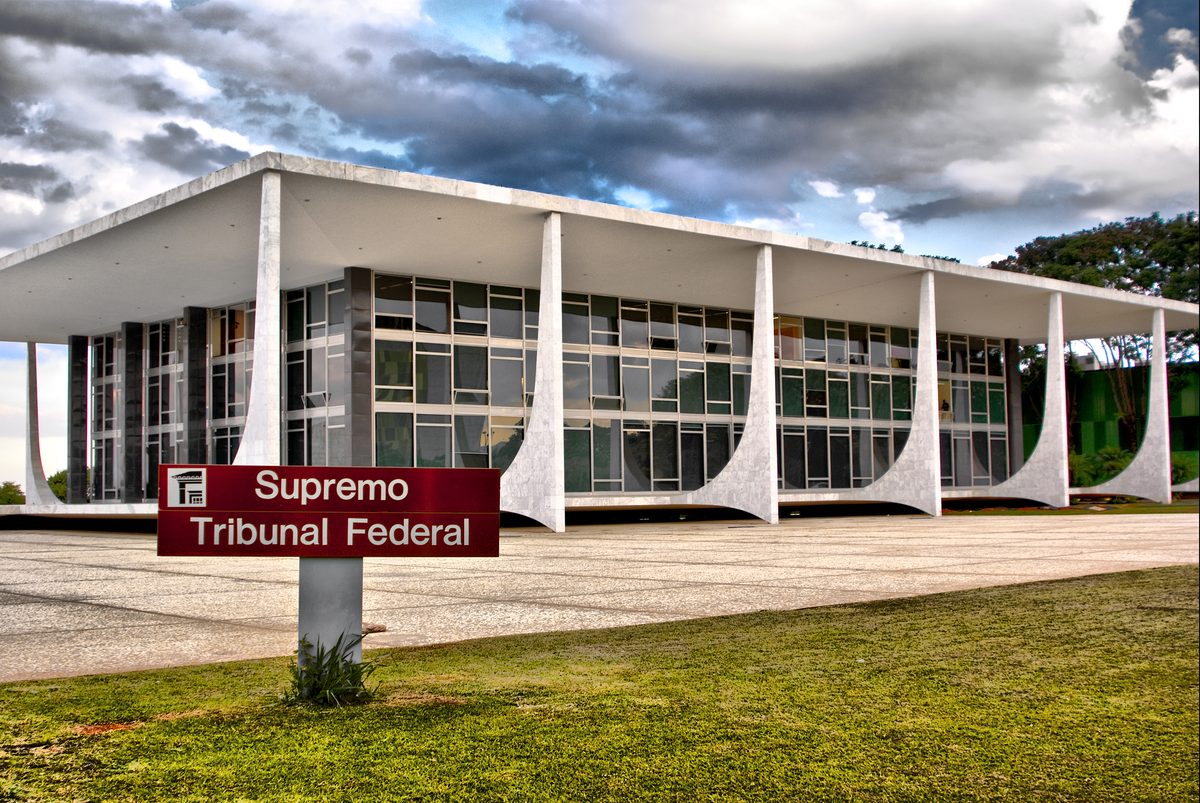
Brazil's top court ordered the arrest of Eduardo Bolsonaro, son of ex-President Jair Bolsonaro and brother of the presidential front-runner. Justice Alexandre de Moraes signed the warrant after Eduardo's four-year, two-month sentence became final on October 3.

The conviction stems from Eduardo's lobbying of the Trump administration to sanction Brazilian officials prosecuting his father for a coup attempt. He lives in Texas with a green card. The warrant lands 16 days before the runoff, where his brother Flávio Bolsonaro faces incumbent Luiz Inácio Lula da Silva.

Why it matters

The warrant complicates the October 25 runoff and tests whether Brazil can hold Bolsonaro family members accountable from abroad.

Questions about this story

Free account needed to ask — your question is kept and asked for you right after sign-up. Answers are public.

No questions yet — be the first to ask.

Key Indicators

4 yr 2 mo
Prison sentence
Semi-open regime for coercion in judicial proceedings
R$162.1K
Fine imposed
50 days-multa at two minimum salaries each
16 days
Until presidential runoff
October 25 runoff between Flávio Bolsonaro and Luiz Inácio Lula da Silva

Voices

Curated perspectives — historical figures and your fellow readers.

Ever wondered what historical figures would say about today's headlines?

Sign up to generate historical perspectives on this story.

People Involved

Organizations Involved

Timeline

March 2025 October 2026

7 events Latest: Yesterday
Tap a bar to jump to that date
  1. Eduardo Bolsonaro commits to U.S. move

    Political

    Eduardo pledges to move to the U.S. full-time to campaign for his father's release, losing his congressional seat.

Scenarios

1

U.S. grants Brazil's extradition request

Possible Resolves by Oct 9, 2027

Discussed by: AP News and Courthouse News Service note the 1961 U.S.-Brazil extradition treaty but flag that green card status complicates the case.

Brazil's government would formally request Eduardo's extradition through diplomatic channels. His green card grants permanent residence but not citizenship, leaving extradition legally possible. If granted, Eduardo would be returned to Brazil and begin serving his sentence in a semi-open regime.

2

Eduardo Bolsonaro stays in U.S. as extradition stalls

Likely Resolves by Oct 9, 2027

Discussed by: Valor Internacional reported that green card status 'could make extradition attempts more difficult.'

Green card protections and the absence of a clear precedent for extraditing permanent residents in this situation could stall Brazil's request. The warrant remains pending in the national database, and Eduardo remains in Texas. His suspended political rights and canceled passports keep him from Brazilian public office.

3

Flávio Bolsonaro loses the October 25 runoff

Uncertain Resolves by Oct 25, 2026

Discussed by: Timing is central to all coverage; Valor notes Flávio leads in polls, and the warrant could shift the race's final stretch.

If legal pressure on the family shifts undecided voters, incumbent Luiz Inácio Lula da Silva would win a runoff that polls currently show Flávio leading. The warrant also blocks Eduardo from a cabinet role, removing a potential campaign asset.

Historical Context

3 moments from history that rhyme with this story — and how they unfolded.

2011-2015

Henrique Pizzolato's extradition fight (2011-2015)

A former Petrobras director convicted in Brazil's Lava Jato corruption case fled to Italy using a forged passport. An Italian court initially granted him asylum, triggering a years-long legal battle between the two countries.

Then

Italy eventually extradited Pizzolato to Brazil, where he served his prison sentence.

Now

The case showed Brazilian convictions could survive a protracted cross-border legal fight.

Why this matters now

Eduardo Bolsonaro's situation parallels Pizzolato's: a Brazilian convicted of a serious crime living abroad, with extradition as the path to enforcement.

2018-2020

Rafael Correa's Brussels exile (2018-2020)

Ecuador's former president moved to Belgium after leaving office. An Ecuadorian court later convicted him in absentia of corruption, and Correa remained in Brussels, where he has lived since.

Then

Correa avoided imprisonment by remaining outside Ecuador despite the conviction.

Now

A case study in how Latin American leaders facing home-country convictions can stay abroad long-term.

Why this matters now

Like Correa, Eduardo Bolsonaro may be able to live abroad for years while a Brazilian arrest warrant remains outstanding.

2018-2021

Lula's Lava Jato conviction and reversal (2018-2021)

Lula da Silva was convicted of corruption and jailed in 2018, which barred him from that year's presidential election. In 2021, the Supreme Court annulled his convictions on procedural grounds.

Then

Lula left prison, re-entered politics, and won the presidency in 2022.

Now

Showed how judicial outcomes can shift Brazil's presidential races dramatically.

Why this matters now

Flávio Bolsonaro now faces a runoff where his brother's legal trouble is front-page news, years after judicial action reshaped a similar race against Lula.

Sources

(8)