
Pull to refresh
Logo
World's first solar ambulance completes Kenya real-world test

World's first solar ambulance completes Kenya real-world test

New Capabilities

Stella Juva generated more power than it used while running off-grid medical equipment in rural Kenya

Today: Field report details Stella Juva's off-grid performance

Overview

Updated 54 minutes ago

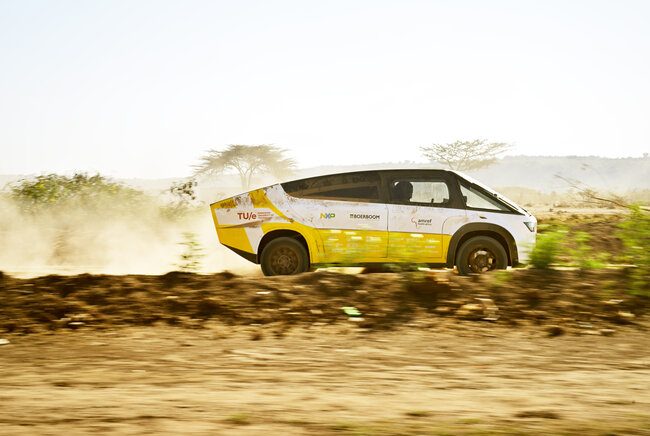
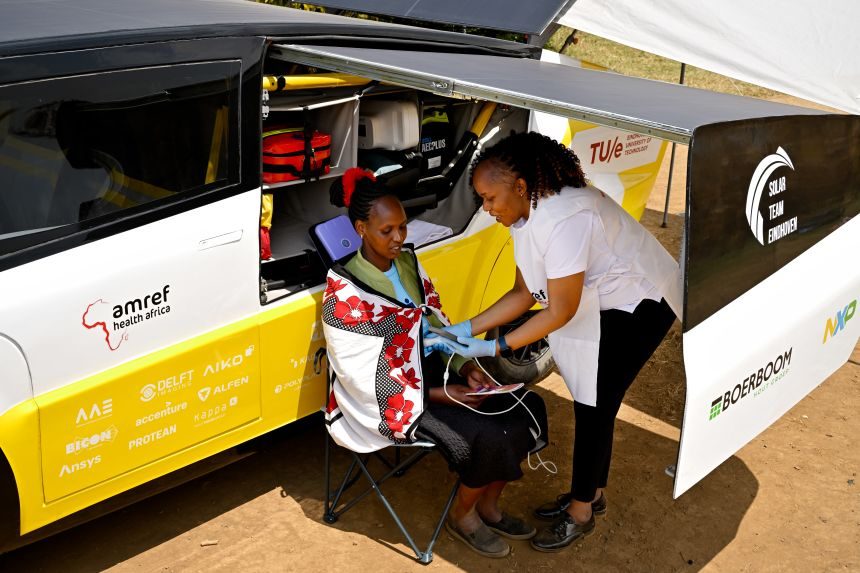
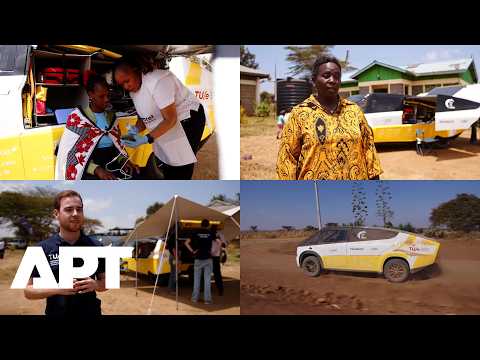
Pregnant women in Kenya's remote Narok region face long drives to reach an ultrasound machine, and many clinics have no reliable electricity or fuel. In late August, a solar-powered ambulance called Stella Juva completed its first field test there, driving more than 800 kilometers over rough roads and generating more solar power than it consumed while running X-ray, ultrasound, and vaccine-cooling equipment.

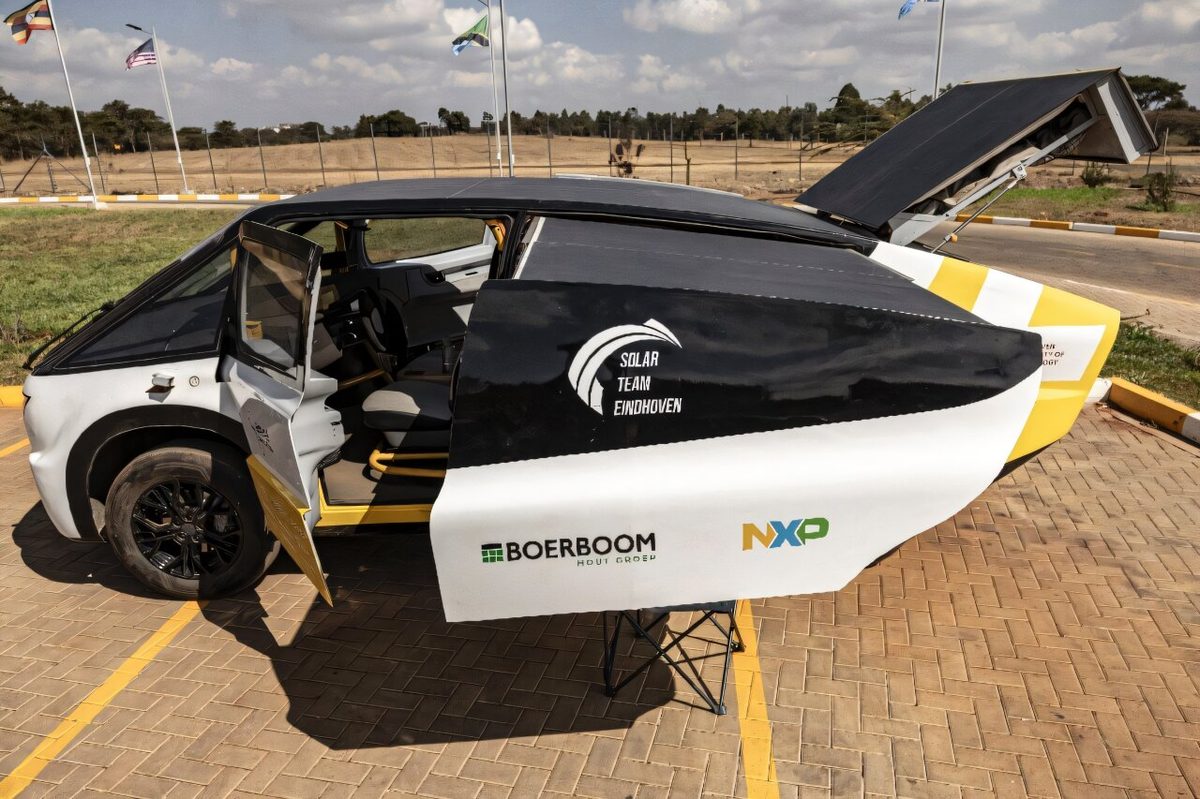
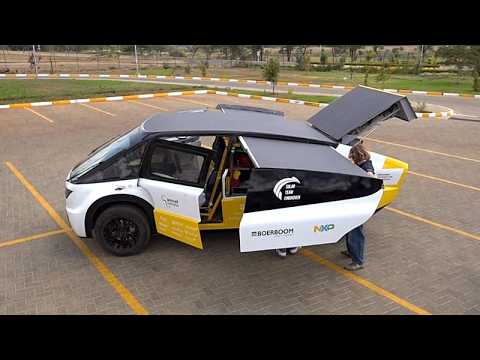
Stella Juva was built by 23 students from Eindhoven University of Technology with the international health organization Amref Health Africa. During a two-day outreach, the vehicle could have served roughly 200 people, including ultrasound scans for up to 40 pregnant women per session. The equipment was not used on real patients, but the test answered the central question: could the vehicle power a clinic with no grid and no fuel?

Why it matters

If it reaches production, off-grid communities could get X-rays and ultrasounds without fuel or grid electricity, changing maternal and child healthcare in rural Africa.

Questions about this story

Free account needed to ask — your question is kept and asked for you right after sign-up. Answers are public.

No questions yet — be the first to ask.

Key Indicators

800+ km
Distance covered during Kenya field test
Drove on both paved and unpaved roads across the Narok region, including a six-hour stretch on rough terrain to reach Mosiro.
200
People who could have received care over two days
A single outreach could have provided ultrasound scans to up to 40 pregnant women in a county with high maternal mortality.
715 km
Driving range on a sunny day
The solar-charged battery keeps the vehicle and its equipment running at night and in cloudy conditions.
€100–150K
Estimated per-unit production cost
The team says a production-ready version would cost far less than a comparable diesel-powered ambulance over its lifetime.

Voices

Curated perspectives — historical figures and your fellow readers.

Ever wondered what historical figures would say about today's headlines?

Sign up to generate historical perspectives on this story.

People Involved

Organizations Involved

Timeline

August 2026 September 2026

2 events Latest: Today
  1. Field report details Stella Juva's off-grid performance

    Today Report

    The Optimist Daily publishes a detailed account of the test, noting the vehicle could have delivered care to about 200 people over two days.

  2. Stella Juva completes Kenya field test

    Milestone

    Solar Team Eindhoven announces the solar ambulance drove 800+ km in Narok and generated more energy than it used while running full medical equipment.

Scenarios

1

Production partners commit to building a Stella Juva fleet

Possible Resolves by End of 2027

Discussed by: Solar Team Eindhoven, Amref Health Africa

A manufacturer, government, or NGO funds a production-ready version of the vehicle. The team has said it is open to such partnerships, and Amref has flagged one-third of Kenya's counties as potential deployment sites. A fleet order or pilot program in multiple counties would mark the shift from prototype to product.

2

Stella Juva stays a one-off prototype

Possible Resolves by End of 2027

Discussed by: Dock Line Magazine analysis

No manufacturer commits to production, and no health system places an order. The vehicle returns to the Netherlands and remains a demonstration project. Unanswered questions about parts availability, technician training, long-term durability in dust and heat, and unit cost could all keep buyers away.

3

Pilot expands to other countries and off-grid regions

Possible Resolves by Q2 2027

Discussed by: Amref Health Africa, Solar Team Eindhoven

After the Kenya results, another health organization or government invites Stella Juva for a second field deployment, possibly elsewhere in East Africa. This would test whether the design holds up beyond the Narok conditions and whether the maintenance model can work with local technicians once the students go home.

Historical Context

2 moments from history that rhyme with this story — and how they unfolded.

March 2015 – July 2016

Solar Impulse round-the-world flight (2015–2016)

Swiss pilots Bertrand Piccard and André Borschberg flew a solar-powered airplane around the world in 17 legs, proving an aircraft could fly day and night on sun energy alone, with no fuel.

Then

Broke 19 world records and demonstrated solar aviation was physically possible.

Now

The aircraft was never commercialized; Solar Impulse became a platform for promoting clean technology rather than a production aircraft.

Why this matters now

Like Stella Juva, Solar Impulse proved a technology could work under real conditions but faced the harder question of whether anyone would fund, build, and maintain a fleet.

2010s

WHO solar vaccine refrigerators in Africa (2010s)

The World Health Organization and partners deployed thousands of solar-powered vaccine refrigerators across off-grid clinics in Africa, replacing kerosene-powered units that were unreliable and costly to fuel.

Then

Vaccines reached communities that previously had no reliable cold chain, and solar fridges cut operating costs dramatically.

Now

The technology scaled because manufacturers produced units at volume, local technicians were trained to maintain them, and procurement agencies standardized designs.

Why this matters now

Shows solar medical hardware can scale in Africa when unit costs fall, maintenance is local, and supply chains are built for the long term — the exact conditions Stella Juva must meet.

Sources

(10)