
Pull to refresh
Logo
Daily Brief
Following
Why
Nigeria's solar surge rewires Africa's largest economy

Nigeria's solar surge rewires Africa's largest economy

Built World
By Newzino Staff |

Rural Electrification Accelerates as Grid Failures and Subsidy Cuts Drive Adoption

October 27th, 2025: LONGi Partnership Announced

Overview

Nigeria imports more solar panels than any African country except South Africa. In the 12 months ending June 2025, Chinese solar module shipments to Nigeria grew by two-thirds—the steepest surge on the continent. The catalyst: a national grid that collapsed 12 times in 2024, fuel prices that tripled after subsidy removal, and 87 million Nigerians still without reliable electricity.

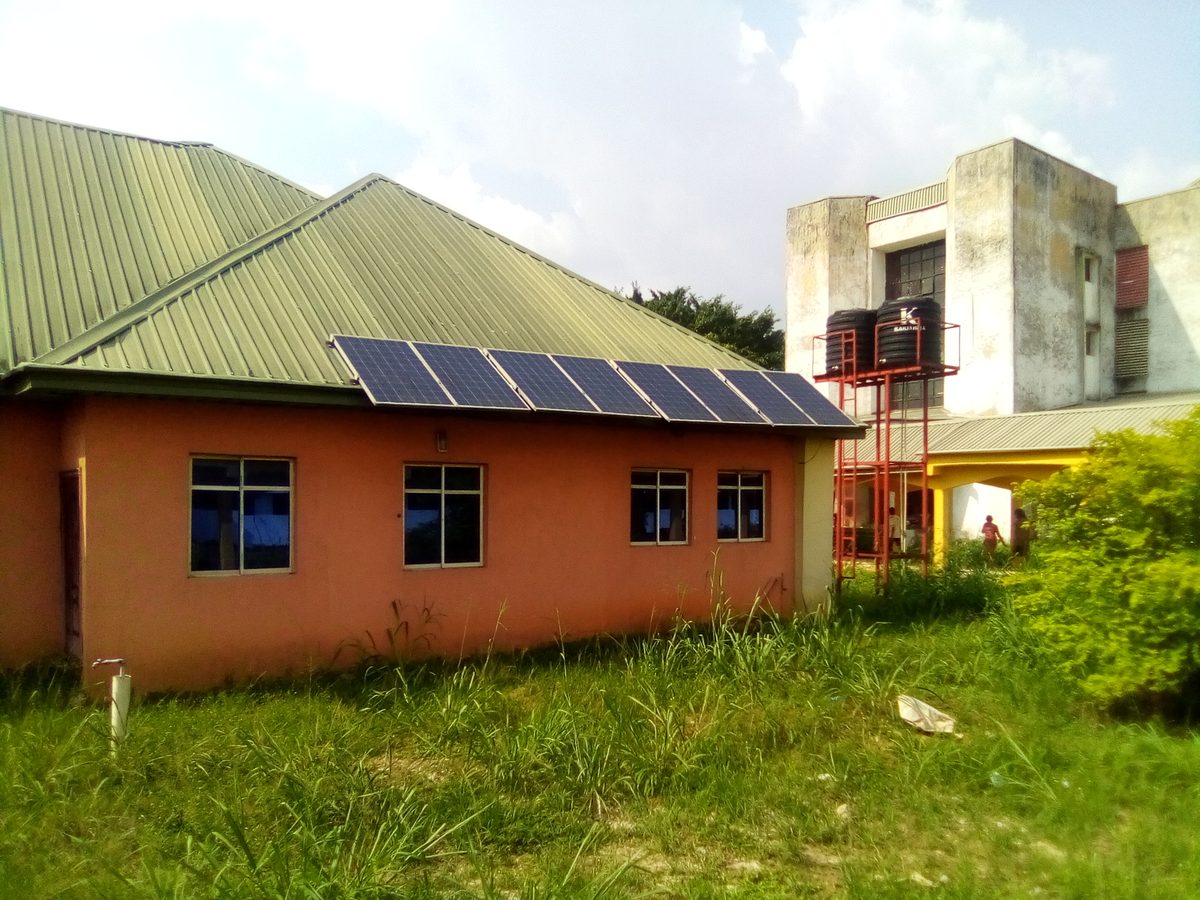
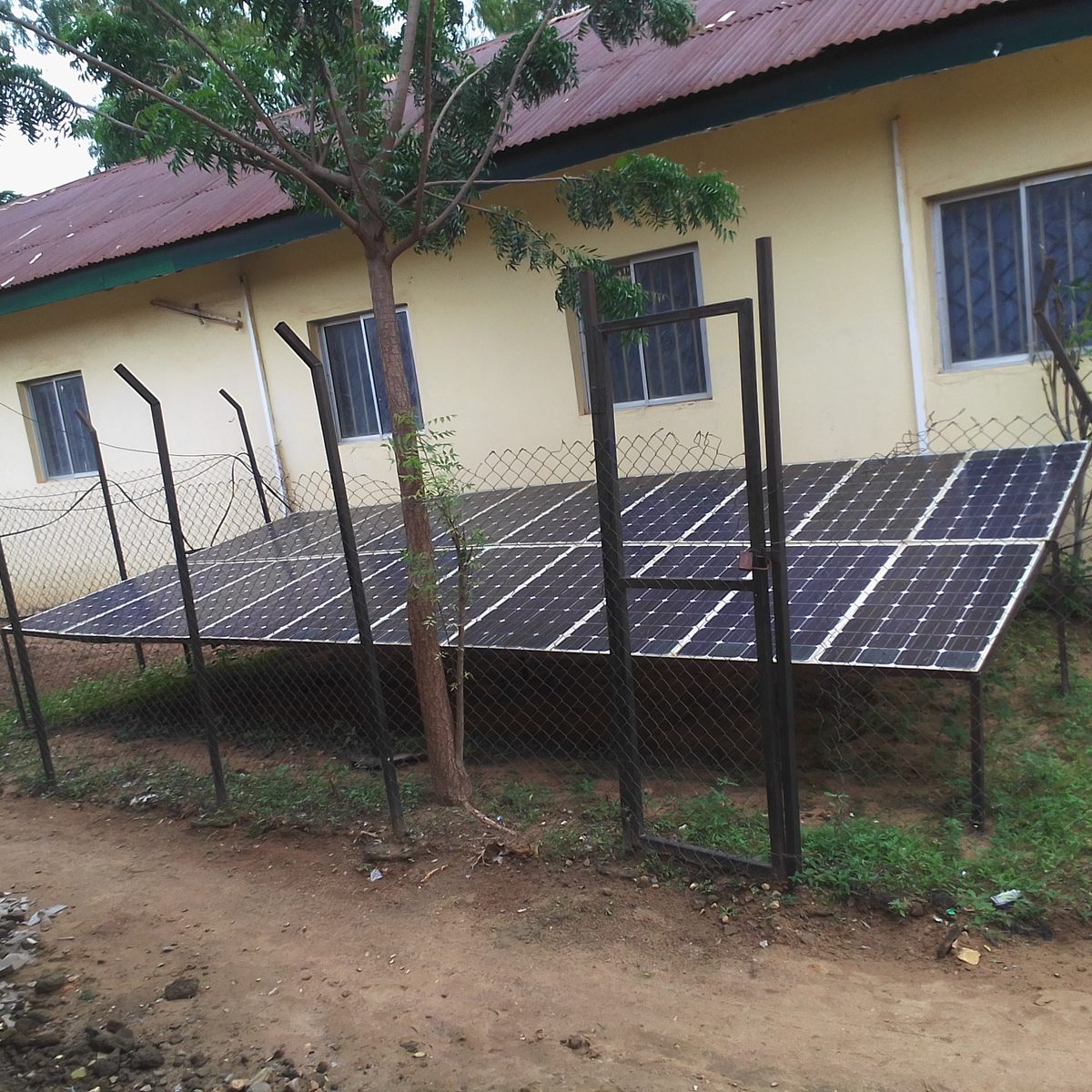
What started as a survival strategy—businesses and households abandoning diesel generators for rooftop panels—has become an industrial transformation. The country now imports more solar cells for local assembly than finished panels, a first in its history. Mini-grids power villages the national grid never reached. And a $750 million World Bank program aims to electrify 17.5 million more Nigerians through distributed solar by 2030.

Key Indicators

N242.68B
Solar panel imports (H1 2025)
Nigeria imported 242.68 billion naira worth of solar panels in the first half of 2025, up 17% from 2024.
87M
Nigerians without power
World Bank estimates 87 million Nigerians lack electricity access—the highest figure globally.
12
Grid collapses in 2024
Nigeria's national grid collapsed 12 times in 2024, leaving millions without power for days at a time.
1.5M
New solar households (2023)
Over 1.5 million households adopted solar home systems or hybrid setups in 2023 alone.

Interactive

Exploring all sides of a story is often best achieved with Play.

Ever wondered what historical figures would say about today's headlines?

Sign up to generate historical perspectives on this story.

Sign Up

Debate Arena

Two rounds, two personas, one winner. You set the crossfire.

People Involved

Bola Ahmed Tinubu
Bola Ahmed Tinubu
President of Nigeria (In office since May 2023)
Adebayo Adelabu
Adebayo Adelabu
Minister of Power (In office since August 2023)
Abba Abubakar Aliyu
Abba Abubakar Aliyu
Managing Director, Rural Electrification Agency (Appointed January 2025)
Femi Adeyemo
Femi Adeyemo
Founder and CEO, Arnergy (Leading solar expansion for commercial sector)

Organizations Involved

Rural Electrification Agency (REA)
Federal Government Agency
Status: Lead implementer of off-grid electrification

Federal agency mandated to extend electricity to unserved and underserved communities across Nigeria.

WO
World Bank Group
International Development Institution
Status: Primary funder of Nigeria electrification programs

Multilateral lender providing $750 million for Nigeria's DARES distributed renewable energy program.

Husk Power Systems
Husk Power Systems
Mini-Grid Developer
Status: Expanding across Northern Nigeria

Solar mini-grid company operating 400 systems across India and Nigeria, planning 500 mini-grids in Nigeria by 2026.

Arnergy
Arnergy
Solar Energy Company
Status: Leading commercial/residential solar provider

Lagos-based solar startup powering SMEs, estates, and clinics, backed by Bill Gates's Breakthrough Energy Ventures.

Timeline

  1. LONGi Partnership Announced

    Manufacturing

    World's largest solar manufacturer agrees to support 1 GW factory development in Nigeria.

  2. Solar Cell Imports Surpass Finished Panels

    Manufacturing

    Nigeria imports 110 MW of solar cells vs 82 MW of finished panels—first time local assembly exceeds imports.

  3. 1 GW Solarge Factory Deal Signed

    Manufacturing

    REA, InfraCorp, and Dutch manufacturer Solarge BV form joint venture for Nigeria's first gigawatt-scale solar factory.

  4. DARES Issues RFP for 87 MW Mini-Grids

    Policy

    Request for proposals issued to 46 pre-qualified entities for 40 project sites.

  5. Arnergy Raises $18M Series B

    Investment

    Bill Gates-backed solar company secures funding to install 12,000 systems by 2029.

  6. Grid Reaches Record 5,801 MW Peak

    Infrastructure

    Nigeria achieves highest-ever power generation despite ongoing grid instability.

  7. Bloomberg Reports on Rural Solar Boom

    Development

    Major coverage highlights local economic transformation as solar adoption accelerates in rural Nigeria.

  8. LPV Technologies Factory Opens

    Manufacturing

    Lagos-based 200 MW solar panel manufacturing facility begins operations, entirely staffed by Nigerian experts.

  9. DARES Achieves Operational Effectiveness

    Policy

    World Bank program becomes operational after meeting conditions precedent.

  10. REA Signs MoU for 1,265 MW Capacity

    Investment

    Rural Electrification Agency partners with five renewable energy companies under DARES program.

  11. First Grid Collapse of 2024

    Infrastructure

    National grid begins year of instability that will see 12 total collapses.

  12. World Bank Approves $750M DARES Program

    Investment

    Largest Nigerian electrification initiative targets 17.5 million people through distributed renewable energy.

  13. Tinubu Removes Fuel Subsidy

    Policy

    New president ends decades-old fuel subsidy at inauguration, triggering 200%+ price increase and accelerating solar adoption.

  14. Nigeria Electrification Project Launched

    Investment

    World Bank and AfDB launch $550M program to deploy mini-grids and solar home systems.

  15. Rural Electrification Agency Established

    Policy

    REA created under the Electric Power Sector Reform Act with mandate to electrify rural Nigeria.

Scenarios

1

Nigeria Becomes Africa's Solar Leader by 2030

Discussed by: Africa Solar Industry Association, Ember energy analysts

If current growth continues—mini-grid deployments accelerate, local manufacturing scales, and DARES delivers on its 17.5 million target—Nigeria could surpass South Africa as Africa's largest solar market. Analysts at Ember note Nigeria is already the continent's second-largest importer of Chinese panels. The AFSIA projects Nigeria could reach 10 GW installed solar capacity by 2030 under favorable conditions.

2

Financing Constraints Slow Expansion

Discussed by: Chatham House, World Bank analysts

Basic solar home systems cost more than a month's income for many Nigerian families, and microfinance interest rates remain high. If pay-as-you-go financing fails to scale and government programs face implementation delays, adoption could plateau among middle-class urban users while rural electrification lags. About two-thirds of African energy investment still flows to fossil fuels.

3

Grid Stabilizes, Dampening Urgency

Discussed by: Power Ministry officials, grid operators

If the Transmission Company of Nigeria succeeds in stabilizing the grid—through the Zungeru hydroelectric dam, reduced vandalism, and upgraded infrastructure—the urgency driving solar adoption could diminish. Urban businesses might return to grid power, slowing the commercial solar market even as rural off-grid deployment continues.

4

Security Disruptions Derail Northern Expansion

Discussed by: Mini-grid developers, REA officials, Knowable Magazine

In northern Nigeria, banditry and kidnapping are forcing rural populations toward urban areas. If insecurity worsens, mini-grid developers may abandon remote sites, and demographic shifts could strand existing installations. Some developers are already focusing on regions with lower violence and higher economic activity.

Historical Context

Kenya's M-KOPA Mobile Solar Revolution (2012-Present)

October 2012 - Present

What Happened

M-KOPA launched in Kenya in late 2012, pioneering pay-as-you-go solar home systems financed through mobile money. By 2018, the company had electrified 500,000 homes across East Africa. The model worked because M-Pesa mobile payments reached 80% of Kenyan adults, grid electricity was expensive, and daily micropayments fit household budgets.

Outcome

Short Term

Kenya became the global leader in pay-as-you-go solar penetration, with over 1.2 million households using solar home systems.

Long Term

The model proved that off-grid solar could scale commercially in developing markets, spawning imitators across Africa and Asia.

Why It's Relevant Today

Nigeria is attempting to replicate Kenya's success with companies like Lumos (partnered with MTN for mobile payments) and Arnergy. The challenge: Nigeria's mobile money ecosystem is less developed than Kenya's M-Pesa network, requiring different financing approaches.

India's Rural Electrification Push (2015-2018)

2015 - April 2018

What Happened

India declared 100% village electrification in April 2018 after connecting over 120,000 villages through a government-led grid extension program. However, 75 million rural households remained without reliable power, and grid-connected communities faced frequent blackouts. Pay-as-you-go solar struggled to gain traction because grid power was heavily subsidized.

Outcome

Short Term

Official electrification statistics improved dramatically, but actual electricity access and reliability lagged.

Long Term

India demonstrated that grid extension alone cannot solve rural energy poverty—reliability and affordability matter as much as connection rates.

Why It's Relevant Today

Nigeria faces a similar gap between official electrification rates and actual power access. The 12 grid collapses in 2024 show that connections mean little if power doesn't flow. Nigeria's approach—scaling off-grid solar rather than extending an unreliable grid—may prove more effective.

Nigeria's 2012 Fuel Subsidy Removal Attempt

January 2012

What Happened

President Goodluck Jonathan attempted to remove Nigeria's fuel subsidy on January 1, 2012, causing fuel prices to more than double overnight. The decision sparked "Occupy Nigeria" protests across major cities, with unions calling a general strike. After nearly two weeks of demonstrations and at least 16 deaths, the government partially restored the subsidy.

Outcome

Short Term

The government reinstated a partial subsidy, keeping prices below market rates. The protests demonstrated the political danger of sudden price shocks.

Long Term

The subsidy continued for another 11 years at enormous fiscal cost—roughly $10 billion annually by some estimates—until Tinubu's 2023 removal.

Why It's Relevant Today

Tinubu succeeded where Jonathan failed, partly because fiscal constraints left no alternative and partly because the naira's collapse made subsidy costs unsustainable. The resulting price shock created the economic conditions driving Nigeria's solar boom.

15 Sources: