
Pull to refresh
Logo
UN launches Global Grids Accelerator to unblock clean power in Africa and Southeast Asia

UN launches Global Grids Accelerator to unblock clean power in Africa and Southeast Asia

Built World

Initiative turns grid priorities into bankable projects across two continents

Today: UN releases formal Global Grids Accelerator announcement

Overview

Updated 56 minutes ago

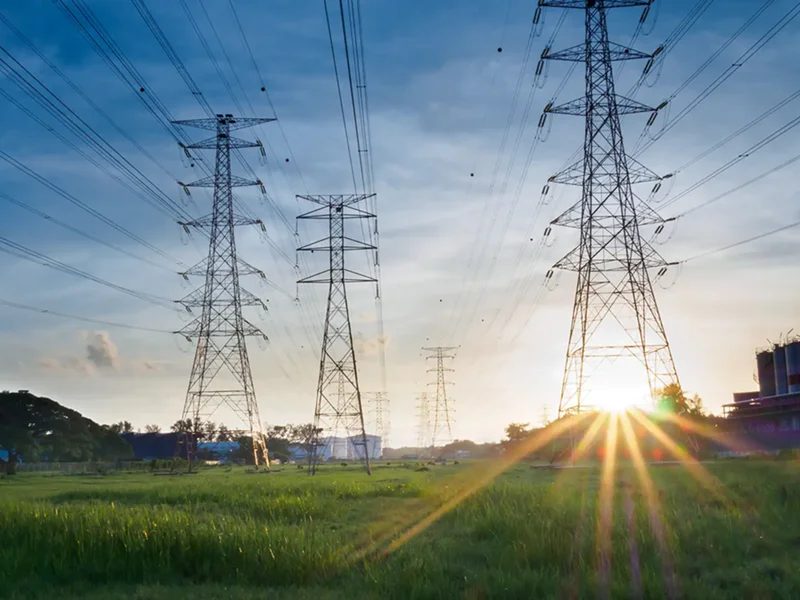
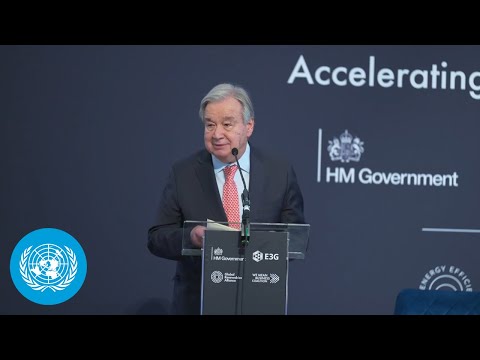
More than 2,500 gigawatts of renewable and storage projects are stuck waiting to connect to power grids worldwide—nearly twice the electricity generation capacity of the United States. On September 23, UN Secretary-General António Guterres launched a new initiative to break that bottleneck.

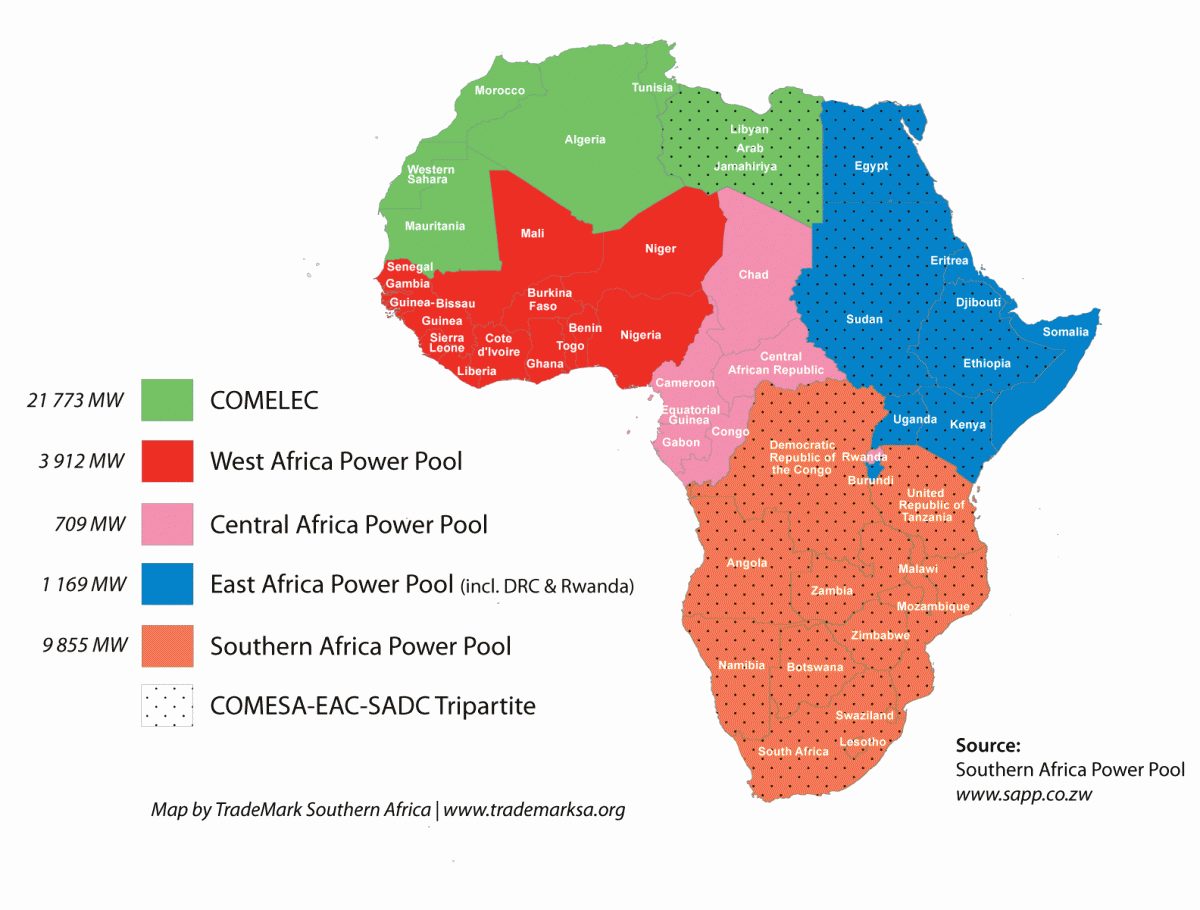
The Global Grids Accelerator targets Africa and Southeast Asia, where grids lag far behind the clean power being built. It brings UN agencies, development banks, and utilities together around government-identified grid priorities, turning plans into bankable projects.

Why it matters

Without stronger grids, 750 million people stay without electricity and billions in renewable investment stall in connection queues.

Questions about this story

Free account needed to ask — your question is kept and asked for you right after sign-up. Answers are public.

No questions yet — be the first to ask.

Key Indicators

2,500 GW
Renewable projects stalled in grid queues
Capacity waiting for grid connections worldwide, per the International Energy Agency.
750 million
People without electricity access
80% of them are in sub-Saharan Africa.
80 million km
Grids to add or refurbish by 2040
Meeting climate goals requires expanding an amount equal to today's entire global grid, per the IEA.
−7%
Annual grid investment change outside China
Five-year decline in emerging economies, even as electricity demand surged.
300 million
Africans Mission 300 aims to connect
World Bank and African Development Bank target for electricity access by 2030.

Voices

Curated perspectives — historical figures and your fellow readers.

Ever wondered what historical figures would say about today's headlines?

Sign up to generate historical perspectives on this story.

People Involved

Organizations Involved

Timeline

2 events Latest: Today
  1. UN releases formal Global Grids Accelerator announcement

    Today Announcement

    UN agencies, African Union, and ASEAN partners set initial priorities and operating details.

  2. Global Grids Accelerator launched at UN Climate Summit

    Announcement

    Guterres launches the initiative in New York, targeting grid investment in Africa and Southeast Asia.

Scenarios

1

Accelerator-backed grid projects reach financial close

Possible Resolves by End of 2027

Discussed by: UN officials, World Bank, African Development Bank

The broker model proves out. With UN agencies helping prepare projects and match them to finance, the first wave of priority grid investments in Africa reaches financial close and moves to construction. Success would hinge on a handful of well-prepared national and regional interconnection projects clearing due diligence.

2

Accelerator stalls, few projects advance

Possible Resolves by Q2 2028

Discussed by: Development finance observers, Climate Home News

The Accelerator remains a coordinating body without its own funding, and the bankable-project gap persists. Countries struggle to prepare projects that meet financier standards, so the initiative produces reports but few built kilometers of new grid.

3

Grid investment surges toward IEA's 2030 target

Unlikely Resolves by End of 2028

Discussed by: International Energy Agency

Combined with other initiatives (Mission 300, national energy compacts), the Accelerator helps push emerging-economy grid investment toward the IEA's 50% growth target by 2030. The IEA's annual World Energy Investment report tracks whether the trend materializes.

Historical Context

3 moments from history that rhyme with this story — and how they unfolded.

May 1936

US Rural Electrification Act (1936)

The US government created the Rural Electrification Administration to bring power to farms and rural communities that private utilities had ignored. It lent money to cooperatives to build distribution lines.

Then

Rural electrification rose from about 10% of farms in 1935 to over 90% within two decades.

Now

Demonstrated that grid access transforms economic productivity and enables new industries.

Why this matters now

The same logic—grid access as a precondition for development—underlies the Accelerator's mission in Africa and Southeast Asia.

April 1948 – December 1951

Marshall Plan (1948)

The US channeled about $13 billion in aid to rebuild Western Europe's infrastructure after World War II, including its electricity networks. The program required recipient governments to coordinate plans with each other and with US administrators.

Then

European infrastructure, including power grids, was rebuilt within a few years.

Now

Set the template for coordinated, condition-based infrastructure investment across borders.

Why this matters now

Shows what coordinated public investment and technical cooperation can achieve when grid infrastructure is the bottleneck.

2010 – present

Green Climate Fund (2010)

UN climate talks created the Green Climate Fund to channel developed-country money to developing nations for clean energy and adaptation. It has struggled to turn pledges into bankable projects on the ground.

Then

The fund has approved projects but remains far short of the $100 billion annual climate finance goal.

Now

Illustrates the gap between climate finance commitments and projects actually built.

Why this matters now

The Accelerator's broker model—connecting finance to bankable projects—is a direct response to that disbursement problem.

Sources

(7)