
Pull to refresh
Logo
Trump administration cancels ACA coverage for hundreds of thousands over fraud claims

Trump administration cancels ACA coverage for hundreds of thousands over fraud claims

Rule Changes

CMS canceled 315,000 ACA policies covering 760,000 people on Aug. 31 over suspected fraud; 419,000 more face verification, new broker registrations frozen until Feb. 1, 2027

September 25th, 2026: Health policy experts call for transparency

Overview

Updated Sep 29

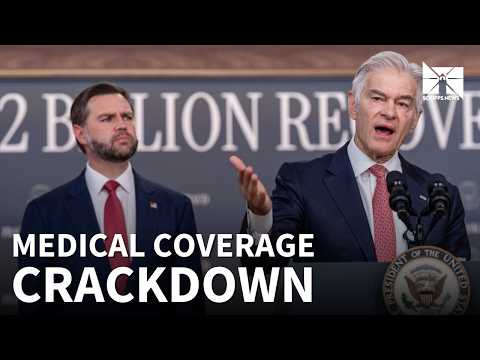
On Aug. 31, CMS canceled 315,000 ACA marketplace policies covering 760,000 people, citing suspected fraud. The White House made the move public Sept. 22, saying brokers enrolled many without their knowledge and some enrollees may not exist.

The cancellations cut about $2.2 billion in federal subsidies, and another 419,000 enrollees face identity and income verification. New broker registrations are frozen until Feb. 1, 2027. Consumer advocates note the cancellations occurred without individual notice or appeal opportunity.

Why it matters

If the fraud claims hold, taxpayers save $2.2 billion. If not, hundreds of thousands lose health coverage they were entitled to, with little recourse.

Questions about this story

Free account needed to ask — your question is kept and asked for you right after sign-up. Answers are public.

No questions yet — be the first to ask.

Key Indicators

760,000
People removed from ACA coverage
CMS canceled 315,000 policies covering 760,000 enrollees it says were fraudulently enrolled.
$2.2B
Expected taxpayer savings
Value of canceled advance premium tax credit payments and anticipated recoupment.
419,000
Enrollees facing fresh verification
A second group must prove residency and income eligibility to keep coverage.
$6.6B
Estimated annual improper spending
Upper bound of CMS's pre-action estimate of broker-driven unauthorized federal spending.
35%
Enrollees who never used coverage
CMS Administrator Oz cited the figure as evidence the removed enrollees were 'phantoms.'
1.2M
Enrollees who received verification requests
HFMA reports nearly 1.2 million individuals received requests with 30 days to respond, beyond the 760,000 already canceled.

Voices

Curated perspectives — historical figures and your fellow readers.

Ever wondered what historical figures would say about today's headlines?

Sign up to generate historical perspectives on this story.

People Involved

Organizations Involved

Timeline

December 2025 September 2026

7 events Latest: September 25th, 2026 · 2 weeks ago
Tap a bar to jump to that date
  1. Health policy experts call for transparency

    Latest Statement

    KFF's Cynthia Cox says fraudulent enrollments should be canceled but questions whether the process correctly identified all 760,000. She notes some legitimate enrollees may have failed to respond to verification letters.

  2. Interim final rule takes effect

    Regulatory

    CMS publishes an interim final rule in the Federal Register imposing the broker freeze through Feb. 1, 2027, and new identity verification requirements. Public comments accepted later.

  3. Vance and Oz announce removals, broker freeze

    Statement

    White House says cancellations save $2.2 billion; 419,000 more face verification; new broker registrations frozen through Feb. 1, 2027.

  4. Enhanced ACA subsidies expire

    Policy

    Post-pandemic premium tax credits lapse, making coverage unaffordable for many and lowering enrollment.

Scenarios

1

Fraud pattern confirmed, savings hold

Likely Resolves by Q2 2027

Discussed by: White House officials, including CMS Administrator Oz

Verification of the remaining 419,000 enrollments confirms a majority were improper, matching the pattern found in the canceled 760,000. The $2.2 billion savings sticks, and the broker freeze cuts new unauthorized enrollments. CMS already has termination actions against 200-plus brokers since the start of 2026, supporting the pattern.

2

Courts order reinstatement for some enrollees

Possible Resolves by End of 2027

Discussed by: Cynthia Cox of KFF, consumer advocates, health policy analysts

Lawsuits argue CMS canceled coverage without individual notice or an opportunity to respond. A federal court rules that some enrollees were legitimately covered and orders CMS to reinstate them, potentially reducing the realized savings. The interim final rule also bypassed the standard advance notice-and-comment period, which may become a legal vulnerability.

3

Eligible enrollees swept out, enrollment drops further

Possible Resolves by Q1 2027

Discussed by: KFF researchers, CBO analysts

Many of the 760,000 were legitimate enrollees who didn't respond to verification letters in time, or were victims of broker fraud who believed they had coverage. CMS's 2027 open-enrollment numbers fall more than the subsidy expiration alone explains, with the cancellations cited as a named factor.

4

Broker litigation over moratorium

Possible Resolves by End of 2026

Discussed by: Morgan Lewis, broker advocacy groups

Brokers barred from the ACA marketplace challenge the six-month registration freeze, arguing CMS bypassed standard rulemaking procedures. A court could temporarily block the moratorium while the case proceeds.

Historical Context

2 moments from history that rhyme with this story — and how they unfolded.

April 2023 – 2024

Medicaid unwinding (2023-2024)

When pandemic continuous-enrollment protections ended in 2023, states began re-verifying Medicaid eligibility for every recipient. More than 20 million people were disenrolled, and later audits found many were still eligible but lost coverage because of lost paperwork or missed notices.

Then

Millions lost coverage; CMS forced some states to pause procedural terminations and restore coverage retroactively.

Now

The episode left federal regulators more cautious about mass disenrollment without strong due-process protections.

Why this matters now

Like the ACA cancellations, it removed large numbers of people through a mass verification process in which eligibility errors were later found.

2020–2023

COVID-era unemployment fraud clawbacks (2020-2023)

Pandemic unemployment programs expanded rapidly, and fraud rings used stolen identities to claim benefits. States later demanded repayment, sending clawback notices to accounts that were often legitimate, or belonged to identity-theft victims themselves.

Then

Thousands of claimants faced surprise repayment demands; states added identity checks that slowed legitimate claims.

Now

Fraud recovery dragged on for years, and some legitimate beneficiaries remained ensnared in the process.

Why this matters now

Shows how fraud enforcement aimed at organized abuse can also hit people who were entitled to the benefit.

Sources

(12)