
US coal generation falls 11% despite Trump revival push
Rule ChangesCheaper gas and renewables keep winning as federal emergency orders fail to halt the fuel's long slide
Today: FT: coal generation falls 11% in first half of 2026New here? Follow stories to track developments over time. Create a free account to get updates when stories you care about change.
Overview
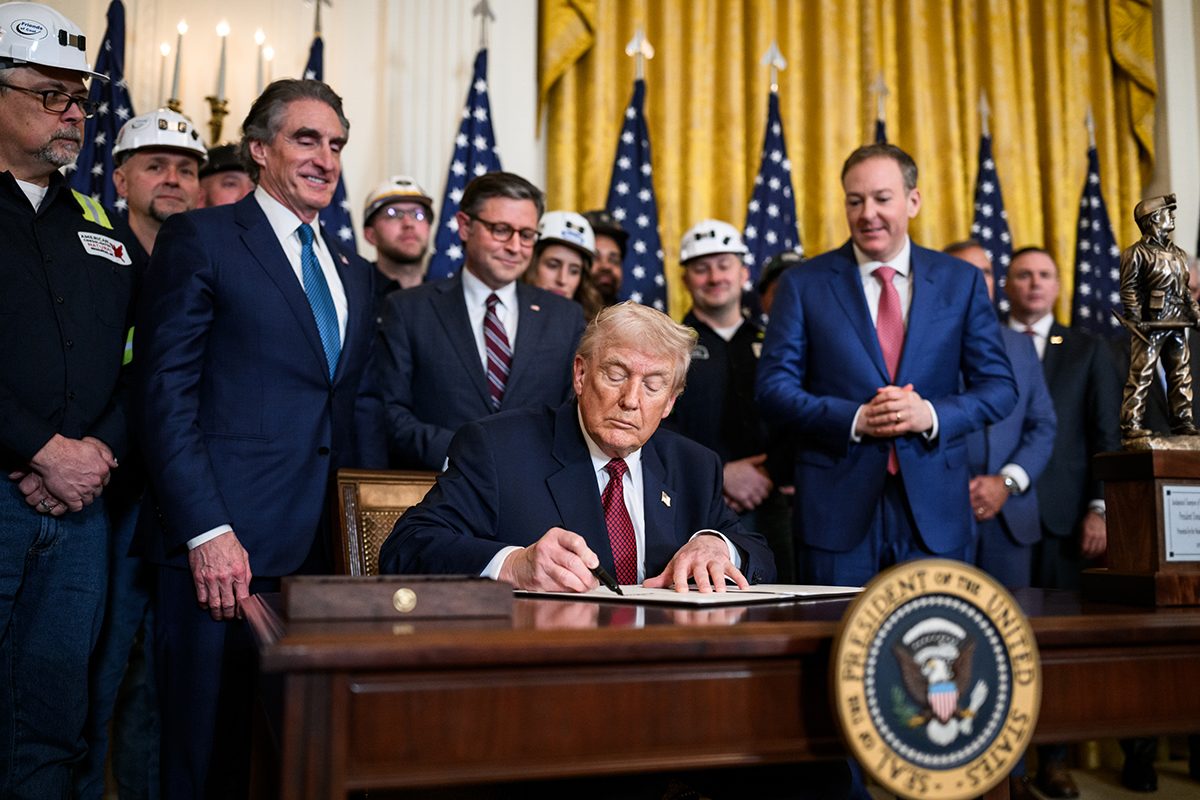
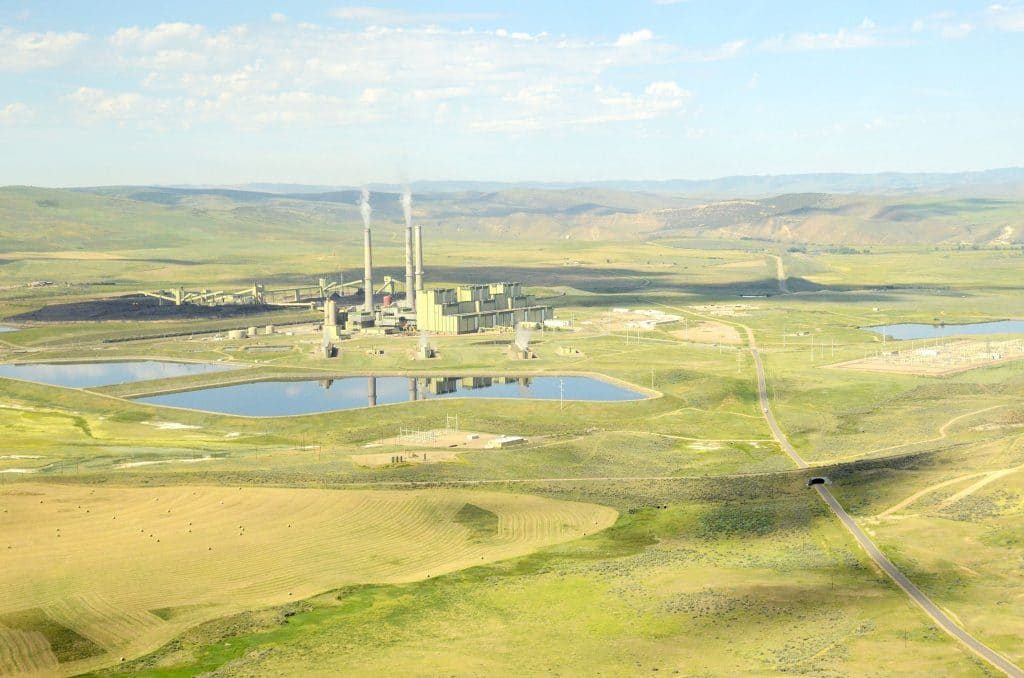
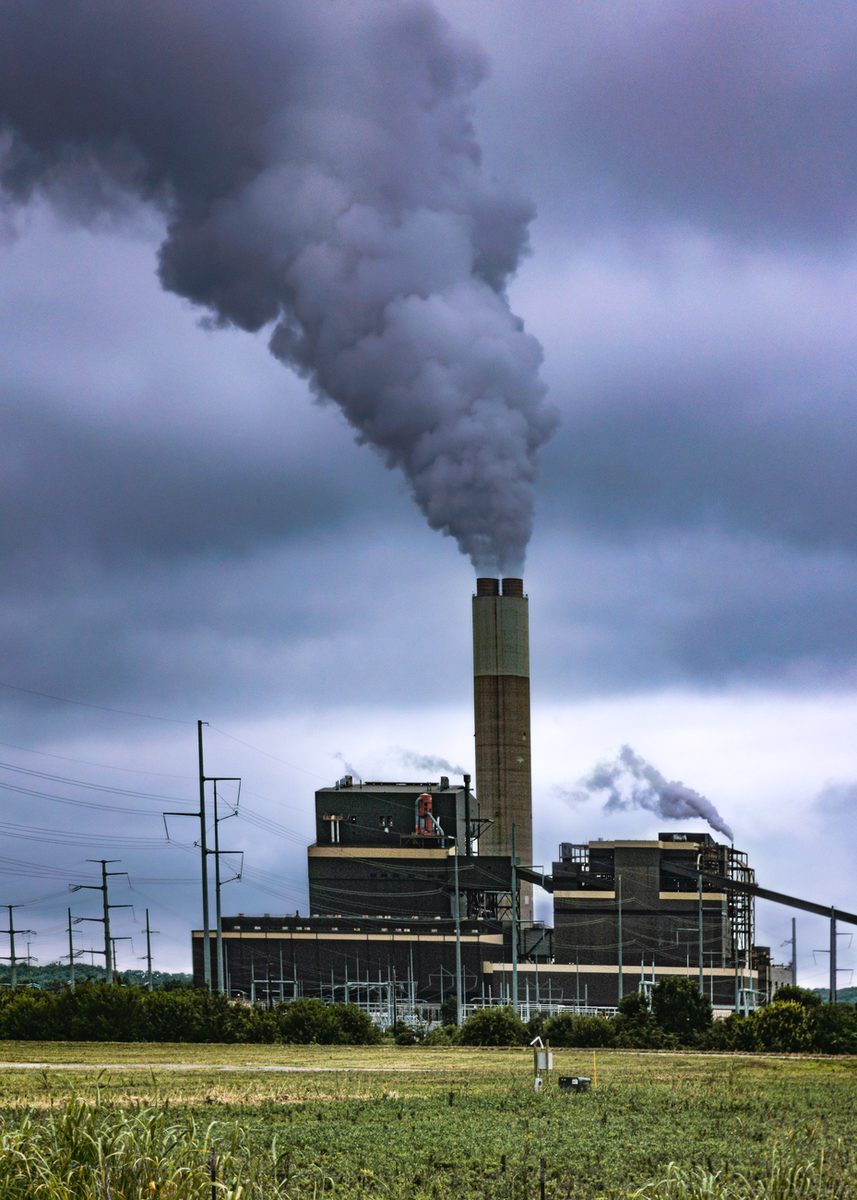
Updated 1 hour agoCoal-fired electricity generation fell 11% in the first half of 2026, according to the Financial Times — even as President Donald Trump's administration issued more than 20 emergency orders to keep aging coal plants running. The orders forced plants slated for retirement to stay open, but the fuel still lost ground to cheaper natural gas and surging wind and solar.
The costs of the intervention are landing on ratepayers. Emergency orders through mid-May added more than $300 million in extra costs, per the Institute for Energy Economics and Financial Analysis, while the plants they saved often produced little power. Coal now generates roughly 25% less electricity than natural gas, which remains the country's dominant power source by a wide margin.
Why it matters
Ratepayers are paying hundreds of millions to keep uneconomic coal plants running, with no sign the fuel can compete against cheaper gas and renewables.
Questions about this story
Free account needed to ask — your question is kept and asked for you right after sign-up. Answers are public.
No questions yet — be the first to ask.
Key Indicators
Voices
Curated perspectives — historical figures and your fellow readers.
Play
Exploring all sides of a story is often best achieved with Play.
Higher or Lower
A number from this story, against one from elsewhere in the news — guess which is bigger, then keep the chain going. 5 rounds, 3 strikes; a miss costs a strike and resets your streak.
Keyboard: ↓/L lower · ↑/H higher
0 points — sign up to put that on the leaderboard.
Connections
Sixteen names from the news. Find the four hidden groups of four. Four mistakes max.
Sign up to keep a daily streak — a new puzzle lands every day.
Exit debate?
Your progress in this debate will be lost.
- 1 Two AI personas square off on this story.
- 2 You predict who'll win each round — correct picks earn XP.
- 3 One crossfire question is yours to fire. Pick it carefully.
Couldn't generate a topic
Select Your Champions
Choose one persona for each side of the debate
DEBATE TOPIC
Choose personas with different perspectives for a more dynamic debate.
Select debater for this side:
No debate personas available right now.
Select debater for this side:
No debate personas available right now.
Who's Got This Round?
Make your prediction before the referee scores
The referee scores both sides on
Round Results
Set the Crossfire
Pick the question both personas must answer in the final round
Debate Oracle! You called every round!
Sharp Instincts! You know your debaters!
The Coin Flip Strategist! Perfectly balanced!
The Contrarian! Bold predictions!
Inverse Genius! Try betting the opposite next time!
XP Breakdown
Prediction History
People Involved
Organizations Involved
Federal agency using emergency powers to keep coal plants operating beyond planned retirement dates.
Independent federal statistical agency tracking US energy production, consumption, and forecasts.
Rural electric cooperative forced to keep the Craig Unit 1 plant operating against its will.
Timeline
January 2025 September 2026
-
FT: coal generation falls 11% in first half of 2026
Today ReportCheaper power sources including natural gas grow despite federal rescue push.
-
CPR details Craig plant costs
ReportXcel spent $4M+ on its 10% share; total could exceed $40M.
-
Forbes: gas stays dominant, coal keeps slipping
AnalysisEIA projects gas gaining through 2027 while coal declines.
-
Xcel seeks to intervene in Craig litigation
LegalUtility moves to file briefings without supporting either side.
-
Trump announces coal support measures
PolicyNew White House actions aim to boost coal demand.
-
Tri-State and Platte River sue DOE
LegalUtilities challenge emergency order in D.C. federal appeals court.
-
DOE orders Craig Unit 1 to stay open
RegulatoryEmergency order blocks retirement one day before scheduled closure.
-
Reuters reports no new coal plants under construction
AnalysisUtilities identify cheaper gas and renewables as faster alternatives.
-
Trump begins second term with coal revival priority
PolicyAdministration makes coal central to energy dominance agenda.
Historical Context
2 moments from history that rhyme with this story — and how they unfolded.
US steel industry decline and tariff protections (1970s–1980s)
US steelmakers faced decades of declining competitiveness against cheaper foreign producers. Presidents from both parties imposed tariffs, quotas, and bailouts — the trigger-price mechanism under Carter, voluntary restraint agreements under Reagan — to protect domestic mills.
Some plants survived and jobs were preserved temporarily, but steel employment fell from roughly 450,000 in 1979 to about 170,000 by 1985.
Protectionist measures could not reverse the underlying economics. The industry modernized with vastly fewer workers, and imports remained a permanent fixture.
Like steel, coal's problem is economic, not political. Government orders can delay closures, but they cannot make an uneconomic fuel competitive against cheaper alternatives — consumers absorb the cost either way.
Carter-era synthesis program (1980)
After the 1979 oil shock, President Carter pushed a $20 billion federal program to develop synthetic fuels from coal and shale. The government guaranteed purchases and subsidized plants in hopes of reducing oil imports.
The program spent billions before oil prices collapsed in the mid-1980s, and most projects were abandoned as uneconomic.
The Synthesis Corporation was defunded in 1985. It became a case study in government picking energy winners against market signals.
The same dynamic plays out today: Washington betting on a fuel that cheaper alternatives keep undercutting. Market prices, not policy mandates, ultimately decide the outcome.
