
Pull to refresh
Logo
Two Massachusetts cranberry bogs harvest berries beneath solar panels

Two Massachusetts cranberry bogs harvest berries beneath solar panels

Built World

The first US farms to grow cranberries under operating solar arrays are testing whether a crop and a power plant can share the same land.

Overview

Updated 50 minutes ago

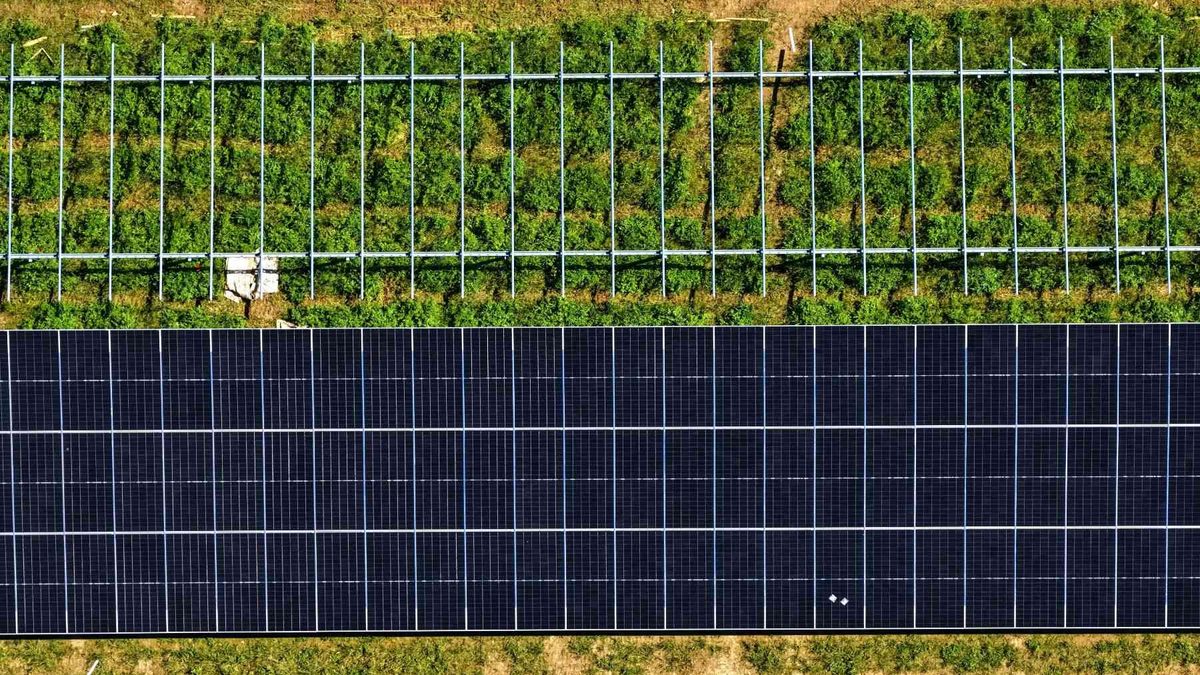
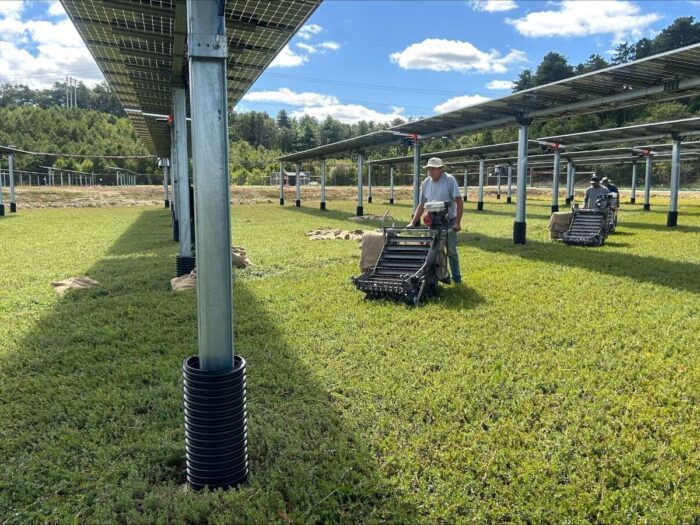
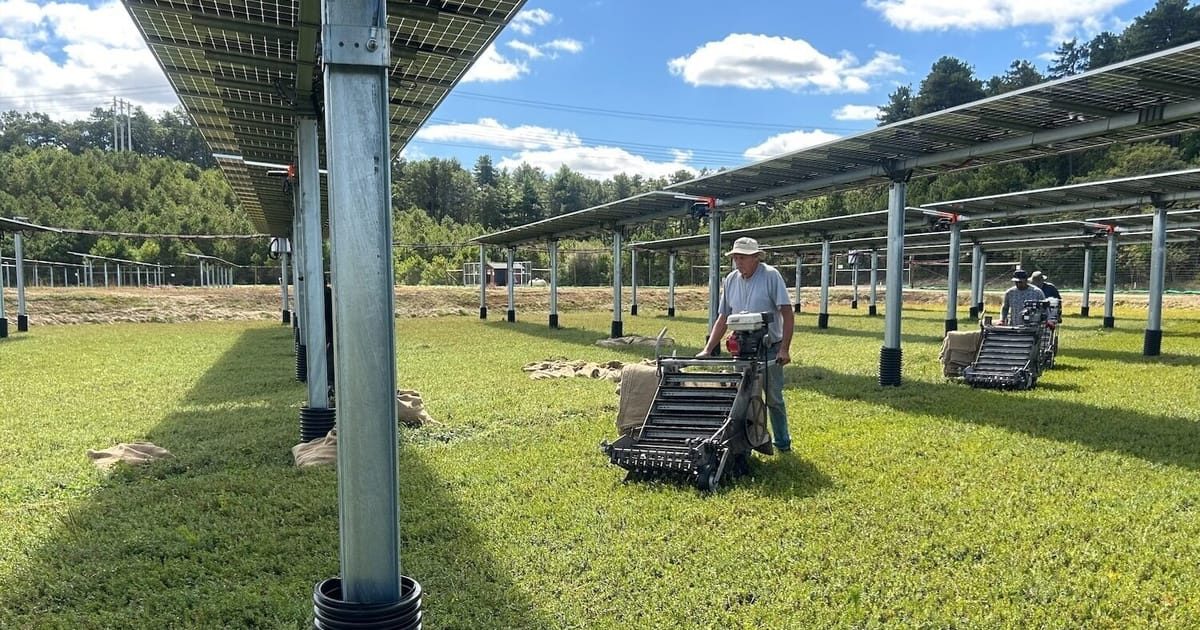
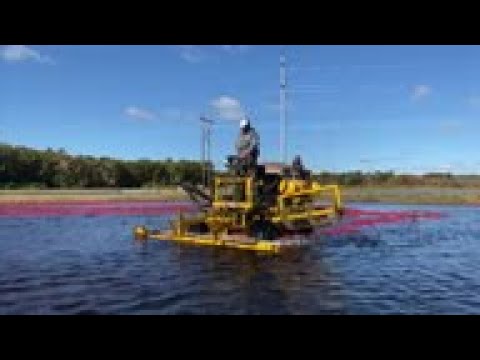
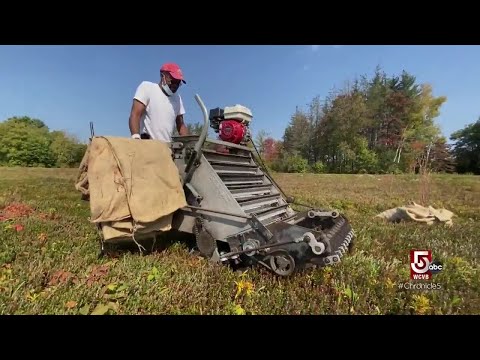
This fall, two cranberry bogs in southeastern Massachusetts finished their second harvest with solar panels standing 10 feet above the vines. It is the first commercial cranberry crop grown beneath an operating solar array in the United States.

The setup is called agrivoltaics: panels raised high enough to farm underneath. Massachusetts pays a bonus for it, and the state needs the land. Cranberry bogs are protected wetlands, so they cannot be sold to housing developers once farming stops. The solar lease keeps the bogs in production.

Why it matters

If panels and crops can share marginal farmland, solar developers get new sites without clearing forest or retiring productive acres.

Questions about this story

Free account needed to ask — your question is kept and asked for you right after sign-up. Answers are public.

No questions yet — be the first to ask.

Key Indicators

2
Cranberry bogs harvesting under solar
Black Cat in Plymouth and Ring Road in Kingston, both in southeastern Massachusetts.
5.4 MW
Combined solar capacity
A 4.4-megawatt array with a 13.5-megawatt-hour battery in Kingston, plus a 1-megawatt array in Plymouth.
9¢/kWh
Massachusetts dual-use bonus
Added to a base rate of 23.17 cents per kilowatt-hour for qualifying arrays between 1 and 5 megawatts.
2
Harvest seasons under panels
The first crop came in 2025; the second was collected in fall 2026.

Voices

Curated perspectives — historical figures and your fellow readers.

Sign up to generate historical perspectives on this story.

People Involved

Organizations Involved

Timeline

2018 November 2026

4 events Latest: Yesterday
Tap a bar to jump to that date
  1. Second harvest under solar reported as a US first

    Latest Milestone

    Both Massachusetts bogs complete a second season of berries beneath 10-foot-high panels.

  2. First cranberries harvested under panels

    Milestone

    Black Cat and Ring Road bogs produce a commercial crop beneath operating solar arrays.

  3. Carver cranberry arrays stall

    Setback

    Two Carver bogs are fitted with solar arrays, but the developer goes bankrupt before the projects operate.

  4. Massachusetts creates a dual-use solar bonus

    Policy

    The state adds 9 cents per kilowatt-hour for solar built over active farmland, the first such payment in the country.

Scenarios

1

A third Massachusetts cranberry bog goes solar

Likely Resolves by End of 2028

Discussed by: Canary Media, citing Distributed Energy Infrastructure

Prateek Tare's company says preliminary work is underway at another bog, and it is also designing arrays for orchards, pasture, and a Christmas tree farm. If the next bog follows Kingston and Plymouth, the model moves from a two-site demonstration to a repeatable practice.

2

Carver's stalled arrays finally start operating

Possible Resolves by Q2 2028

Discussed by: Iain Ward, quoted by Canary Media

The Carver arrays were built around 2021 but never operated after the developer failed. Ward says the new owner intends to finish them. Restarting would turn the country's earliest cranberry agrivoltaic build into a working farm rather than a stranded asset.

3

Multiyear research finds cranberry yields drop under panels

Uncertain Resolves by End of 2029

Discussed by: Frontiers in Horticulture researchers and the UMass Amherst agrivoltaics program

A first-season study of 'Howes' cranberry under fixed panels found that 30% to 37% shade reduced photosynthesis and carbon storage even as it eased heat and water stress. The authors say several seasons of data are needed to know whether the trade-off cuts yield. A multiyear result showing lower harvests would narrow where the practice makes sense.

Historical Context

3 moments from history that rhyme with this story — and how they unfolded.

2018

Massachusetts dual-use solar bonus (2018)

Massachusetts became the first state to pay solar developers extra for building above active farmland, adding 9 cents per kilowatt-hour to a base rate of 23.17 cents. The payment was designed to make farmland competitive with open ground for solar siting.

Then

Developers gained a financial reason to pair panels with crops instead of clearing land.

Now

The bonus made the Kingston and Plymouth cranberry projects economically workable years later.

Why this matters now

The cranberry arrays exist because this payment closed the cost gap between farming and selling the land.

2021

Carver cranberry arrays stall (c. 2021)

Two bogs in Carver, Massachusetts, were fitted with solar arrays meant to be the nation's first cranberry agrivoltaic sites. The company behind them went bankrupt before the projects could operate.

Then

The arrays sat unfinished while crops kept growing beneath them.

Now

A new owner now says it intends to complete the projects, keeping the sites in play.

Why this matters now

It shows the financing risk that first-of-a-kind farm projects carry, and why the Kingston and Plymouth harvests matter as proof the model can reach operation.

2025

First-season shading study (2025)

Researchers measured 'Howes' cranberry under fixed panels that blocked 30% to 37% of sunlight. Moderate shade reduced heat and water stress but suppressed photosynthesis and carbon reserve accumulation, with stronger effects at heavier shade.

Then

The results pointed to a trade-off between shade's stress relief and the plant's ability to store energy.

Now

The authors called for two to three seasons of data before judging yield and economic viability.

Why this matters now

The open research question is whether berries grown under panels match open-field harvests over time.

Sources

(7)