
Spain and Italy trade border checks after Ceuta migrant surge
Rule ChangesTwo of Schengen's biggest members suspended passport-free travel with each other over a mass crossing in North Africa
Today: Spain's checks take effectNew here? Follow stories to track developments over time. Create a free account to get updates when stories you care about change.
Overview
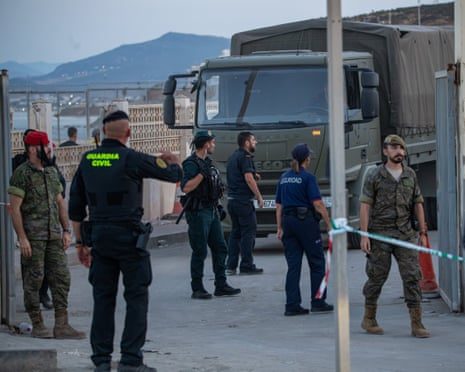
For decades, a traveler could fly from Rome to Madrid without showing a passport. On August 9, that stopped. Spain began checking the documents of people arriving from Italy, matching controls Italy had imposed nine days earlier.
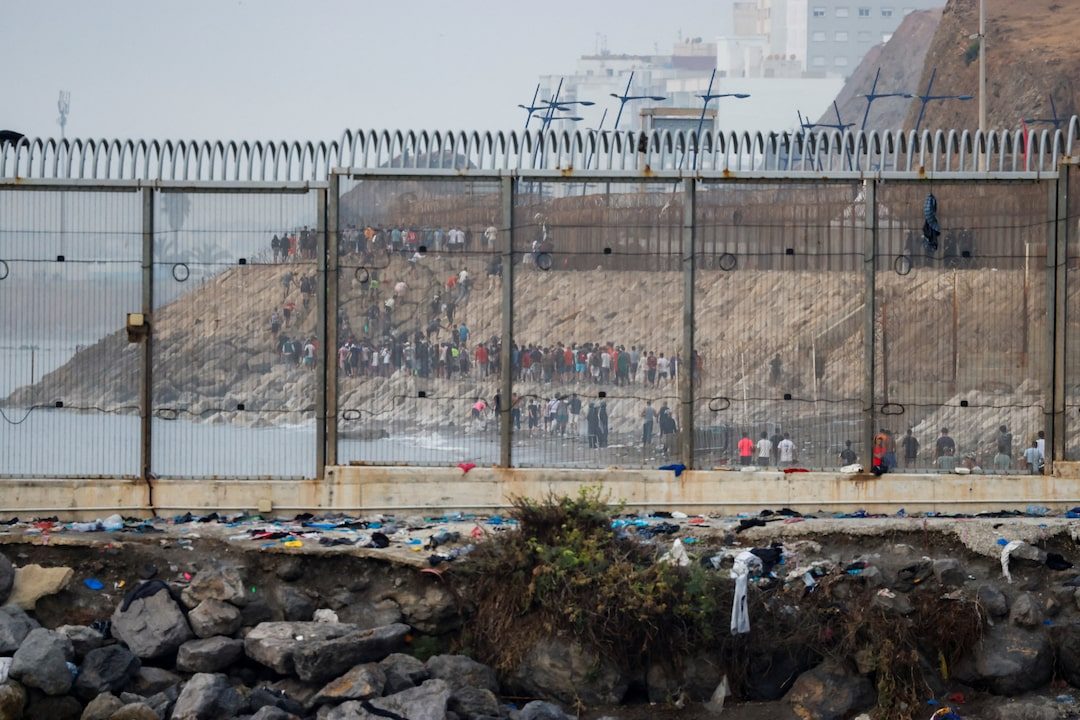
Spain and Italy are two of the largest members of Schengen, Europe's 29-country zone of passport-free travel. Their reciprocal checks turn a border system built on mutual trust into a bargaining chip. The trigger sits more than 1,500 kilometers away, at a fence in North Africa.
Why it matters
If two big members can suspend passport-free travel with each other over a dispute, Schengen becomes something governments switch off when they are angry.
Questions about this story
No questions yet — be the first to ask.
Key Indicators
Voices
Curated perspectives — historical figures and your fellow readers.
Play
Exploring all sides of a story is often best achieved with Play.
WHO SAID WHAT?
Can you match the quotes to the right people?
- points for each correct match.
- time bonus when you answer in under seconds.
- streak bonus once you hit correct in a row.
— Who said this?
Tip: press 1– to answer.
points — sign up to put that on the leaderboard.
Higher or Lower
A number from this story, against one from elsewhere in the news — guess which is bigger, then keep the chain going. 5 rounds, 3 strikes; a miss costs a strike and resets your streak.
Keyboard: ↓/L lower · ↑/H higher
0 points — sign up to put that on the leaderboard.
Timeline
Order five events from this story, oldest at top. Each in the right slot scores 1 — neighbours within one slot count too. Your previous result — green ✓ for exact slots, yellow ~ for off by one. Cards now in true chronological order.
Sign up to save your score and track a streak across stories.
Connections
Sixteen names from the news. Find the four hidden groups of four. Four mistakes max.
Sign up to keep a daily streak — a new puzzle lands every day.
Exit debate?
Your progress in this debate will be lost.
- 1 Two AI personas square off on this story.
- 2 You predict who'll win each round — correct picks earn XP.
- 3 One crossfire question is yours to fire. Pick it carefully.
Couldn't generate a topic
Select Your Champions
Choose one persona for each side of the debate
DEBATE TOPIC
Choose personas with different perspectives for a more dynamic debate.
Select debater for this side:
No debate personas available right now.
Select debater for this side:
No debate personas available right now.
Who's Got This Round?
Make your prediction before the referee scores
The referee scores both sides on
Round Results
Set the Crossfire
Pick the question both personas must answer in the final round
Debate Oracle! You called every round!
Sharp Instincts! You know your debaters!
The Coin Flip Strategist! Perfectly balanced!
The Contrarian! Bold predictions!
Inverse Genius! Try betting the opposite next time!
XP Breakdown
Prediction History
People Involved
Organizations Involved
The EU's executive arm, which sets and polices the rules of the Schengen travel zone.
Spain's ministry for police, borders and the Ceuta response.
Timeline
July 2026 August 2026
-
Spain's checks take effect
Today Rule ChangeSpain began passport and identity checks on arrivals from Italy, set to run until at least September 7.
-
Spain announces reciprocal checks
Rule ChangeMadrid said it would mirror Italy's controls on travelers, calling the Italian move disproportionate and unnecessary.
-
Spain says most migrants have returned
UpdateSpain reported 70,000 of 72,000 had gone back to Morocco. Von der Leyen said none reached the European mainland.
-
22 EU states urge tougher response
DiplomacyMeloni and Denmark's Mette Frederiksen led a letter, backed by 22 countries, blaming Spanish policy as a pull factor.
-
Spain blames traffickers and a court ruling
StatementSánchez said trafficking networks misrepresented a Supreme Court ruling limiting immediate returns of sea arrivals to spur the surge.
-
Italy suspends Schengen with Spain
Rule ChangeItaly reintroduced checks on non-EU travelers arriving from Spain by air and sea, suspending passport-free travel for one month.
-
Mass crossing into Ceuta
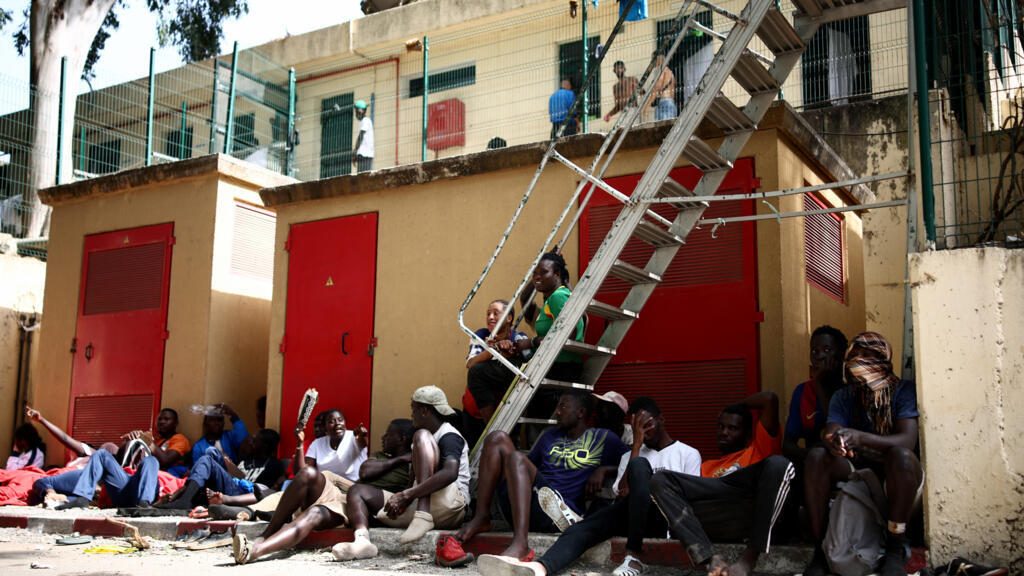
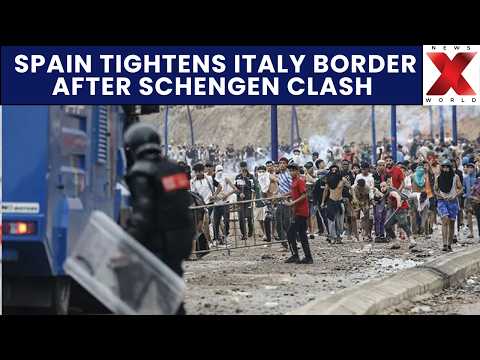
MigrationAbout 72,000 people crossed from Morocco into Spain's enclave of Ceuta over several days, mostly by sea. At least 67 died.
Historical Context
3 moments from history that rhyme with this story — and how they unfolded.
Ceuta border rush (2021)
Nearly 8,000 people crossed from Morocco into Ceuta in two days, many swimming around the border fence. The surge followed Spain hosting Polisario Front leader Brahim Ghali for medical care, which angered Rabat over Western Sahara.
Many migrants were quickly returned. Spain accused Morocco of using migration as pressure.
The rift eased only in 2022, when Spain backed Morocco's autonomy plan for Western Sahara.
It shows how Morocco's border control decisions can turn Ceuta into a lever, and how fast a local surge becomes a diplomatic weapon.
France-Italy dispute over Tunisian migrants (2011)
Italy gave temporary residence permits to thousands of Tunisians who arrived after the Arab Spring, letting them travel onward. France blocked trains from Italy at Ventimiglia, and the two governments clashed over Schengen rules.
France briefly halted rail traffic; both sides accused each other of breaking Schengen's spirit.
The row pushed the EU to revise the Schengen Borders Code and clarify when internal checks are allowed.
It is the closest precedent: two large Schengen members using border checks against each other over who bears the migration burden.
European migration crisis border controls (2015)
As more than a million people reached the EU, Germany, Austria, Sweden and Denmark reintroduced checks at internal Schengen borders. The controls were framed as temporary emergency measures.
Passport-free travel was suspended along several major routes across central and northern Europe.
Some of those "temporary" checks were repeatedly extended and remained in place for years.
It is a warning that internal border checks billed as short-term can become semi-permanent once governments grow used to them.
