
Pull to refresh
Logo
Daily Brief
Following
Why
UK courts test boundaries of terrorism law against protest groups

UK courts test boundaries of terrorism law against protest groups

Rule Changes
By Newzino Staff |

High Court Rules Palestine Action Ban Unlawful, Government Appeals

Yesterday: Consequential Hearing Scheduled

Overview

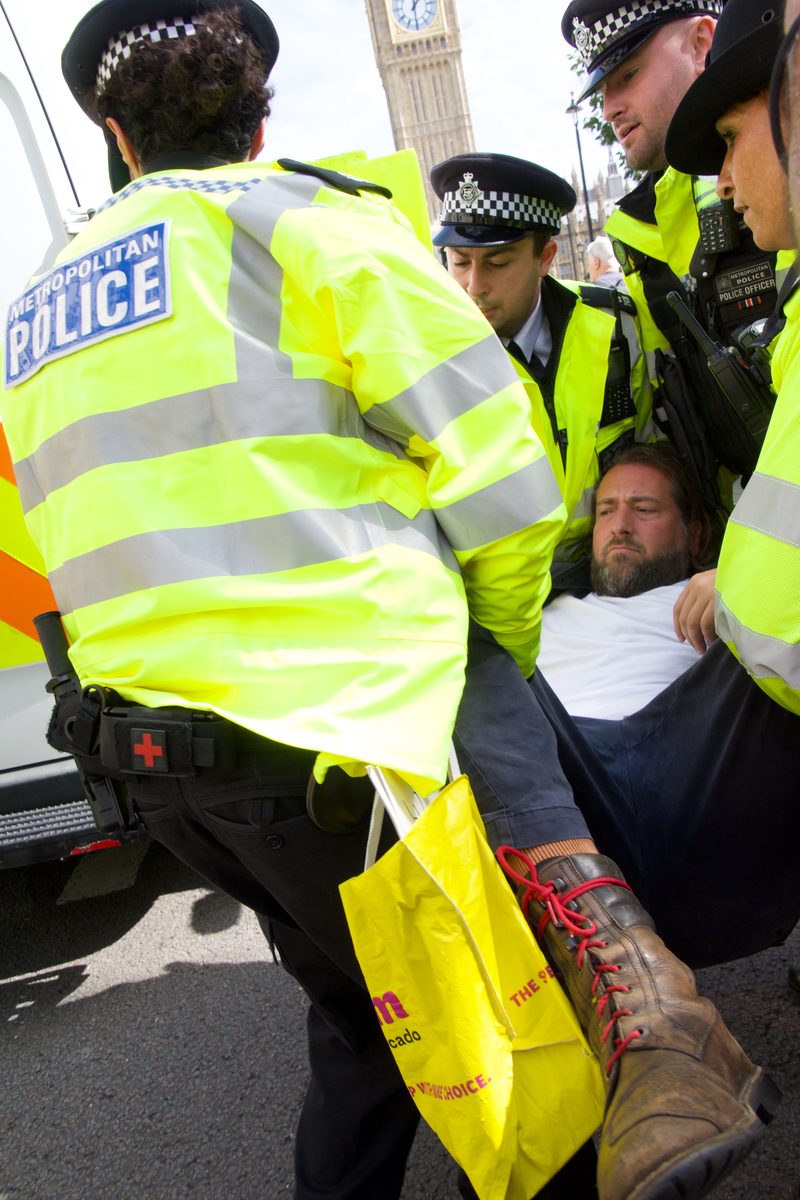
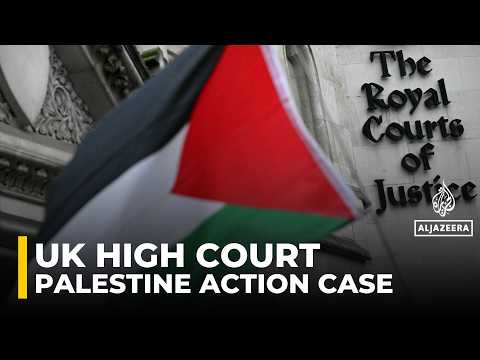
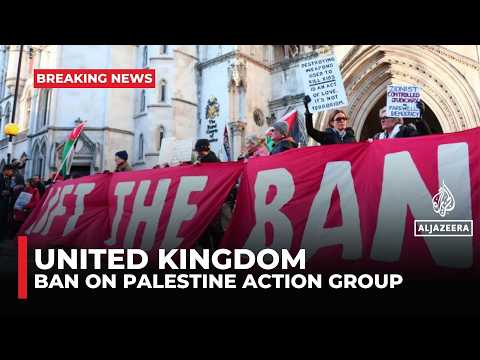
Britain's High Court ruled on February 13, 2026 that the government acted illegally when it banned Palestine Action as a terrorist organization last summer—the first time a UK court has overturned a terrorism proscription through judicial review. The three-judge panel found that while the group's tactics of breaking into factories and damaging military aircraft were criminal, they did not meet the threshold for terrorism under law. The ruling calls into question arrests of more than 2,700 people and charges against 250 under the Terrorism Act.

The case tests where criminal protest ends and terrorism begins. Palestine Action spent four years targeting Israeli defense contractor Elbit Systems, forcing three UK factories to close through repeated break-ins and property damage. When activists breached RAF Brize Norton in June 2025 and spray-painted military aircraft engines, the government responded by placing the group alongside al-Qaeda and ISIS on Britain's terrorism list. The High Court said that went too far—but the ban stays in place while the government appeals, leaving thousands in legal limbo.

Key Indicators

2,700+
Arrests under terrorism laws
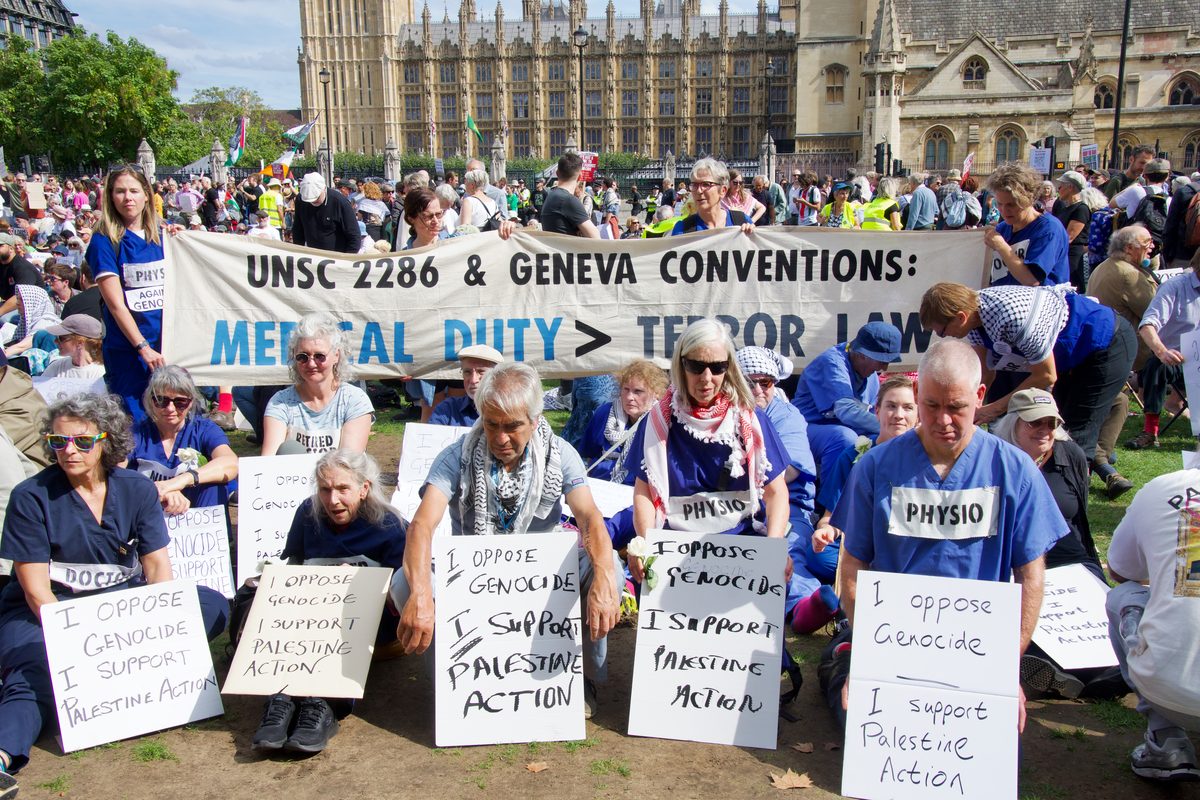
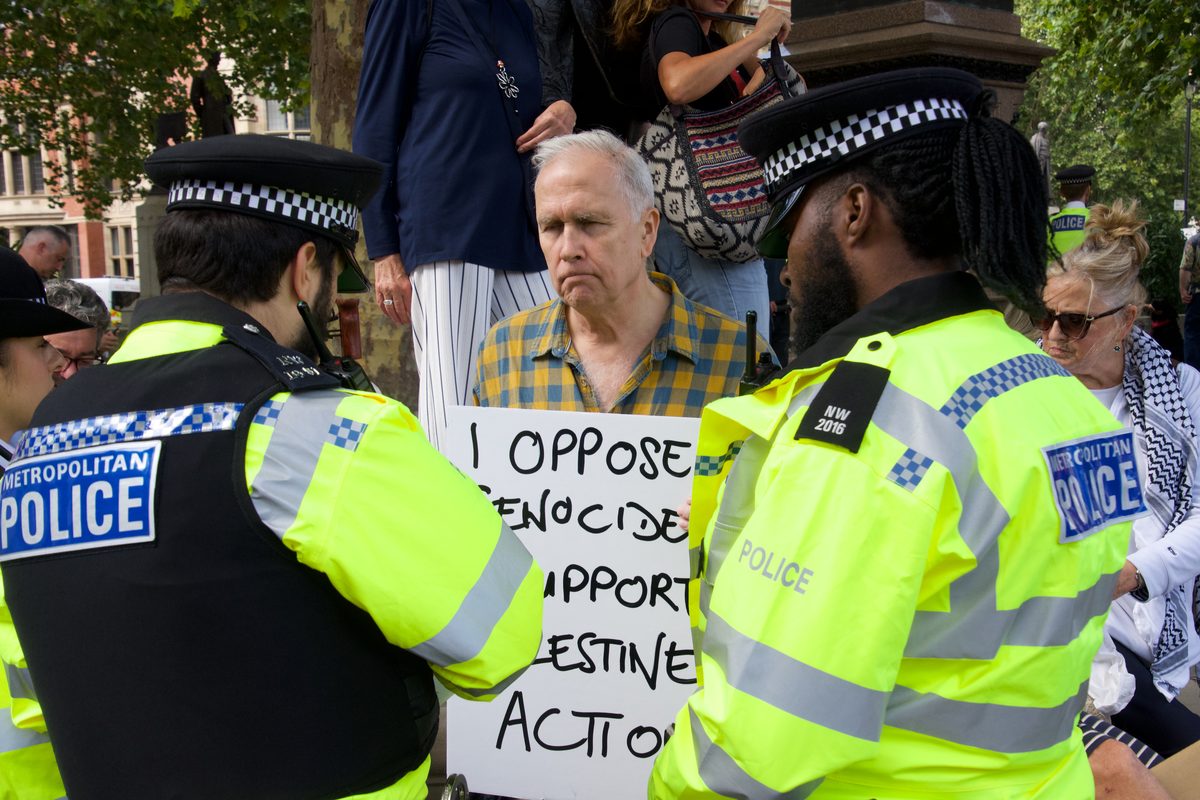
People arrested since July 2025 for displaying support for Palestine Action, many simply for holding signs
250+
Charged under Terrorism Act
Individuals facing prosecution, with sentences of up to 14 years possible
3
Elbit facilities closed
UK sites shut down after sustained Palestine Action campaigns since 2020
£7M
RAF Brize Norton damage estimate
Government's initial claim for damage to two Voyager aircraft; both planes returned to service within weeks

Interactive

Exploring all sides of a story is often best achieved with Play.

Ever wondered what historical figures would say about today's headlines?

Sign up to generate historical perspectives on this story.

Sign Up

Debate Arena

Two rounds, two personas, one winner. You set the crossfire.

People Involved

Huda Ammori
Huda Ammori
Palestine Action Co-founder and Lead Claimant (Won High Court challenge; faces ongoing legal proceedings)
Richard Barnard
Richard Barnard
Palestine Action Co-founder (Facing terrorism-related charges)
Yvette Cooper
Yvette Cooper
Former Home Secretary (decision-maker) (Decision to proscribe ruled unlawful by High Court)
Shabana Mahmood
Shabana Mahmood
Current Home Secretary (Leading government appeal against High Court ruling)
Dame Victoria Sharp
Dame Victoria Sharp
President of the King's Bench Division, Lead Judge (Delivered lead judgment ruling ban unlawful)
Volker Türk
Volker Türk
United Nations High Commissioner for Human Rights (Called for UK to rescind proscription)

Organizations Involved

Palestine Action
Palestine Action
Direct Action Network
Status: Proscribed as terrorist organization; ban ruled unlawful, appeal pending

British direct action network targeting companies with ties to Israeli defense industry, primarily Elbit Systems.

Elbit Systems UK
Elbit Systems UK
Defense Contractor
Status: Primary target of Palestine Action; multiple UK facilities closed

UK subsidiary of Israel's largest defense electronics company, manufacturing components for military systems.

UK Home Office
UK Home Office
Government Department
Status: Appealing High Court ruling

UK government department responsible for immigration, security, and law enforcement, including terrorism proscription decisions.

Timeline

  1. Consequential Hearing Scheduled

    Legal

    Court to determine terms of appeal and next steps for the proscription order.

  2. High Court Rules Ban Unlawful

    Legal

    Three-judge panel finds proscription was disproportionate and violated rights to freedom of expression and assembly. Ban remains pending appeal.

  3. Court Grants Urgent Hearing

    Legal

    High Court grants Huda Ammori's application for judicial review of the proscription decision.

  4. Third Elbit Site Closes

    Campaign Result

    Elbit's Aztec West facility found deserted despite lease running until 2029, following repeated targeting.

  5. Mass Arrests at Parliament Square

    Enforcement

    Police arrest hundreds at sit-in protests for displaying signs supporting Palestine Action, beginning wave of mass arrests.

  6. UN Human Rights Chief Condemns Ban

    International

    Volker Türk calls the proscription a 'disturbing misuse' of terrorism law and urges the UK to rescind it.

  7. Terrorism Proscription Takes Effect

    Legal

    Palestine Action officially becomes a proscribed organization. Membership or support now carries up to 14 years imprisonment.

  8. Parliament Approves Ban

    Legislative

    House of Commons votes 385-26 to proscribe Palestine Action alongside two other groups. House of Lords approves the following day.

  9. Home Secretary Announces Proscription

    Government Action

    Yvette Cooper announces intention to designate Palestine Action as a terrorist organization, citing the airbase attack and prior incidents.

  10. RAF Brize Norton Breach

    Direct Action

    Activists cut through fencing at Britain's largest airbase and spray red paint into engines of two Voyager refueling aircraft. Damage initially estimated at £7 million.

  11. Second Facility Closes

    Campaign Result

    Elbit vacates its Tamworth factory, the third UK site shut down following sustained direct action.

  12. First Elbit Facility Closes

    Campaign Result

    Elbit Systems closes its Oldham factory following repeated occupations and damage since 2020.

  13. Palestine Action Founded

    Formation

    Activists break into and spray-paint Elbit Systems UK headquarters in London, launching the group's campaign.

Scenarios

1

Court of Appeal Upholds High Court Ruling, Ban Lifted

Discussed by: Human rights organizations including Amnesty International and Liberty; legal analysts at UK Constitutional Law Association

If the Court of Appeal agrees that the proscription was disproportionate, the ban would be quashed entirely. This would likely trigger challenges to all 2,700+ arrests and 250+ prosecutions made under the terrorism designation, potentially resulting in mass dismissals of charges. It would also establish binding precedent limiting when the government can use terrorism proscription against protest groups.

2

Government Wins Appeal, Proscription Reinstated

Discussed by: Home Office statements; government-aligned legal commentators

The Court of Appeal could find that the High Court applied too narrow a test for proportionality, reinstating the original ban. This would validate the government's expanded interpretation of terrorism law and potentially accelerate prosecutions of the 250+ already charged. It would also signal that property damage campaigns against defense industry targets can meet the terrorism threshold.

3

Case Reaches Supreme Court, Setting National Precedent

Discussed by: Legal scholars writing in Verfassungsblog and UK Constitutional Law Association

Whichever side loses at the Court of Appeal may seek permission to appeal to the Supreme Court. A Supreme Court ruling would establish definitive precedent on the boundary between criminal protest and terrorism under UK law, with implications for other direct action groups. This process could take 12-18 months.

4

Government Revises Proscription with New Evidence

Discussed by: Counter-terrorism analysts; Home Office sources in media reports

Rather than fight through appeals, the government could withdraw the current proscription and issue a new one based on fresh evidence or a different legal rationale that addresses the High Court's proportionality concerns. This would reset the legal clock while maintaining some form of ban.

Historical Context

PMOI Deproscription Case (2008)

2001-2008

What Happened

The People's Mojahedin Organization of Iran (PMOI), an Iranian opposition group, challenged its UK terrorism proscription through the Proscribed Organisations Appeal Commission. The group had been on Britain's terrorism list since 2001. The Commission found the government's decision to maintain the ban was 'perverse and flawed.'

Outcome

Short Term

The Court of Appeal rejected the Home Office's appeal in May 2008, and PMOI was removed from the terrorism list in June 2008.

Long Term

The case established that proscription decisions could be successfully challenged and that the government must demonstrate ongoing terrorist activity. It also influenced EU courts to remove PMOI from their terrorism list.

Why It's Relevant Today

The only prior successful challenge to a UK terrorism proscription, demonstrating that courts can overrule Home Secretary discretion when evidence doesn't support the designation. Palestine Action's case follows the same appellate path.

Public Order Act 2023 and Protest Crackdown

2022-2025

What Happened

Following disruptive protests by Extinction Rebellion, Just Stop Oil, and Insulate Britain, the UK passed the Public Order Act 2023. The law created new offenses including 'locking on' and expanded police powers to restrict protests causing 'serious disruption.' In July 2024, five Just Stop Oil activists received two to five year prison sentences for organizing a protest via Zoom.

Outcome

Short Term

Arrests and prosecutions of climate activists increased sharply. The High Court ruled the Just Stop Oil sentences 'manifestly excessive' in March 2025.

Long Term

The UN High Commissioner and Council of Europe criticized UK laws as violating international human rights standards. Human Rights Watch documented what it called systematic attacks on protest rights.

Why It's Relevant Today

The Palestine Action proscription represents an escalation beyond the 2023 law—using terrorism designation rather than expanded protest offenses. The pattern shows progressive expansion of state powers against direct action groups.

Extinction Rebellion Counter-Terrorism Listing (2019)

2019

What Happened

The South East Counter Terrorism Unit included Extinction Rebellion in a guide listing extremist ideologies alongside neo-Nazi and Islamist groups. After media exposure, police recalled the document and called XR's inclusion an 'error.' Policy Exchange, a think tank with oil industry funding, had published a report calling XR an 'extremist' organization months earlier.

Outcome

Short Term

The listing was withdrawn after public outcry and criticism from politicians across parties.

Long Term

The incident highlighted tensions between police counter-terrorism operations and civil liberties, and foreshadowed debates that would intensify with Palestine Action's formal proscription.

Why It's Relevant Today

Shows the government previously backed down when attempting to categorize non-violent direct action groups as extremist threats. Palestine Action's formal proscription crossed a line that authorities had retreated from before.

12 Sources: