

Pull to refresh
Logo
Ultima Genomics launches paired-end sequencing and a $60 genome

Ultima Genomics launches paired-end sequencing and a $60 genome

New Capabilities

New chemistry and 20-billion-read wafers double throughput on the UG200; the $60 figure is consumables list price, not the cost of a clinical test

Overview

Updated Yesterday

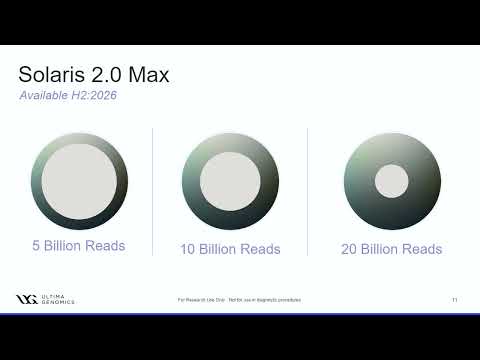
Ultima Genomics announced in 2022 that it could read a human genome for $100. On Nov. 9 it cut its own advertised price to $60, using paired-end sequencing and new Solaris 2.0 Max wafers that yield up to 20 billion reads each.

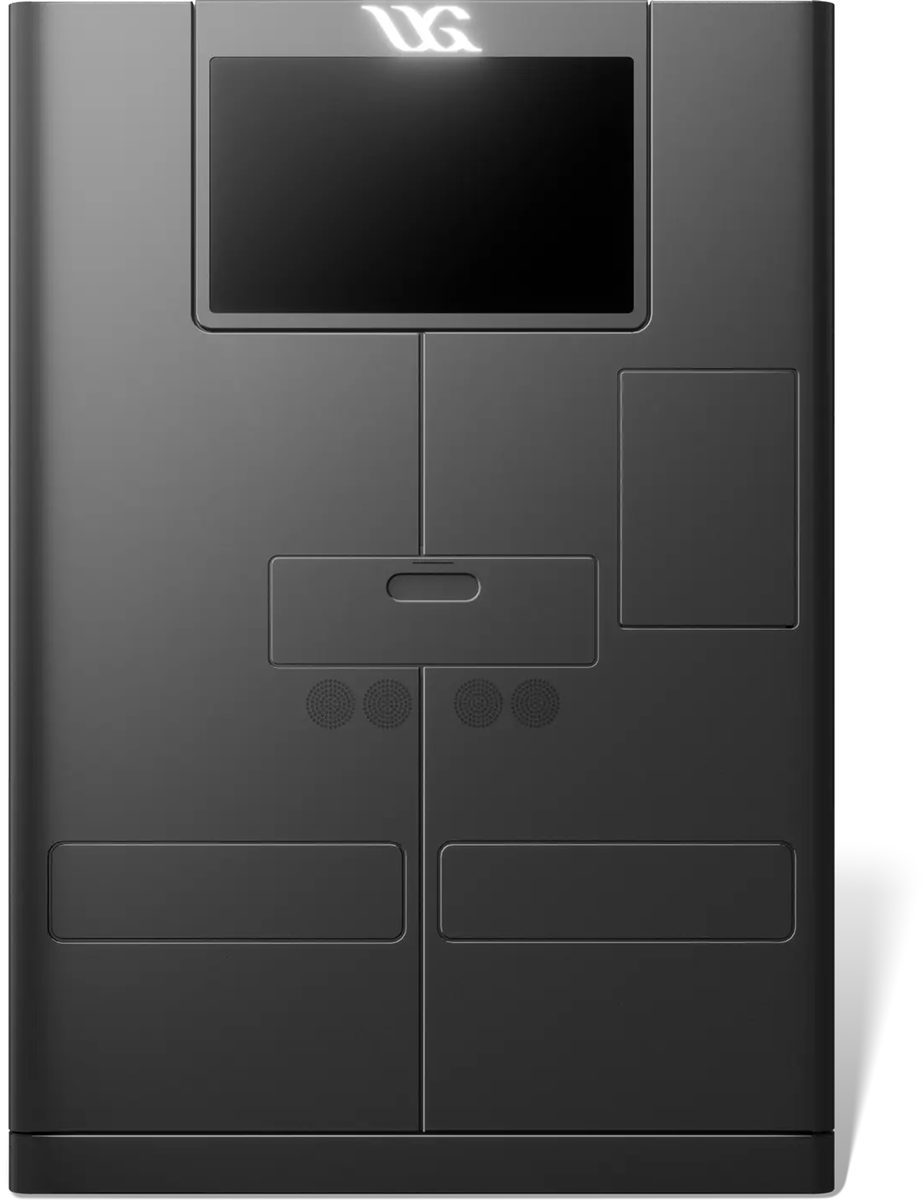
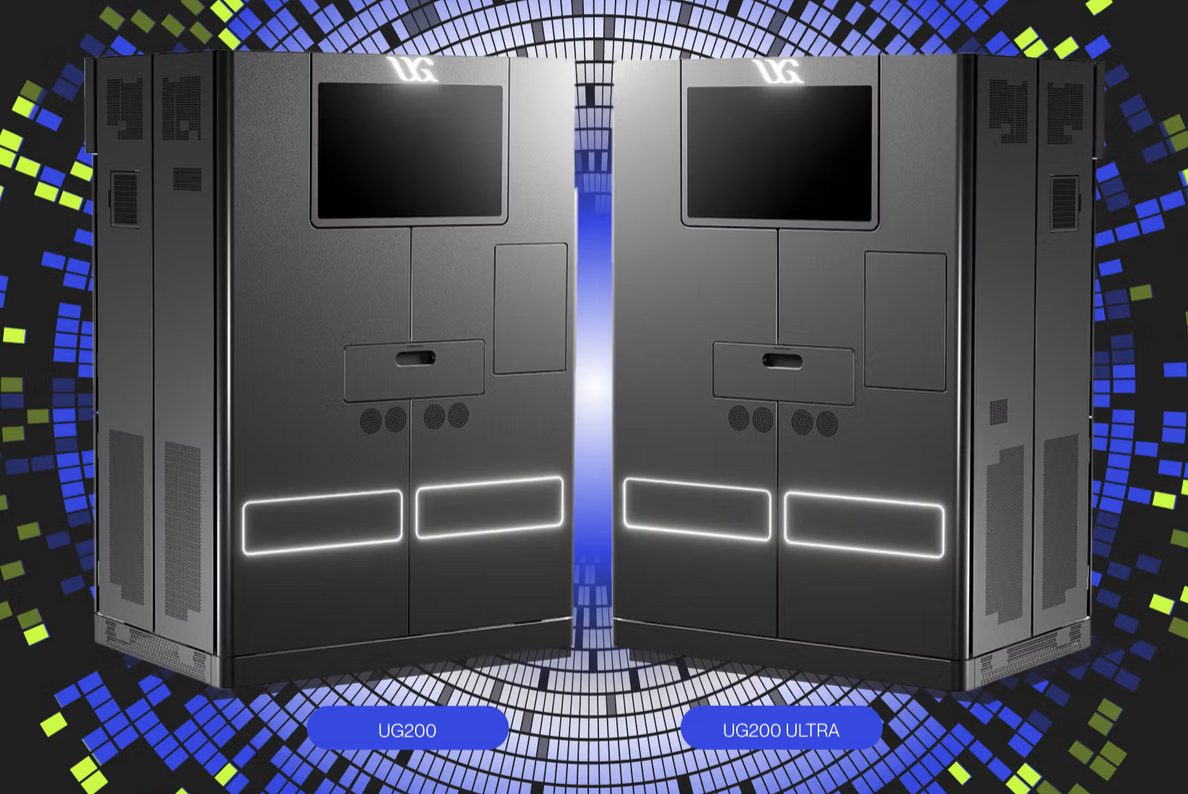
The throughput matters as much as the price. A single UG200 Ultra, which runs two wafers, can produce as many as 60,000 30x genomes a year. That puts a 100,000-person cohort at $6 million in consumables, though the $60 covers sequencing only: sample preparation, instruments and analysis sit outside it.

Why it matters

At $60 a genome, a 100,000-person study costs $6 million in sequencing, low enough to sequence cohorts that were previously priced out.

Questions about this story

Free account needed to ask — your question is kept and asked for you right after sign-up. Answers are public.

No questions yet — be the first to ask.

Key Indicators

$60
Advertised cost per 30x human genome
Ultima's list price for consumables across four wafers; sample prep and analysis are not included.
20B
Reads per Solaris 2.0 Max wafer
Double the 10 billion reads of the earlier Solaris 2.0 workflow.
60,000
30x genomes per year on one UG200 Ultra
Company figure for a dual-wafer instrument running continuously.
$0.60
Cost per gigabase
Ultima's listed price per gigabase at the $60 genome.

Voices

Curated perspectives — historical figures and your fellow readers.

Sign up to generate historical perspectives on this story.

People Involved

Organizations Involved

Timeline

2022 2027

7 events Latest: Yesterday
Tap a bar to jump to that date
  1. Smaller wafer configurations planned

    Upcoming Roadmap

    Ultima says 5 billion and 10 billion read wafers will arrive in early 2027.

  2. Paired-end sequencing and Solaris 2.0 Max launch

    Latest Product launch

    Twenty billion reads per wafer and paired-end reads bring the advertised genome to $60.

  3. Singapore selects Ultima for precision medicine Phase III

    Contract

    The national program picks the platform for its third phase; contract value was not disclosed.

  4. UG200 series announced

    Product launch

    New instrument generation; Solaris 2.0 Max and paired-end sequencing promised for later in 2026.

  5. UG 100 Solaris cuts price to $80

    Product launch

    Output rises to 10 to 12 billion reads per wafer and annual capacity passes 30,000 genomes.

  6. UG 100 ships

    Product launch

    First commercial instrument: 6 to 8 billion reads per wafer, $100 genome, about 20,000 genomes a year.

  7. Ultima announces a $100 genome

    Product claim

    The company pitches silicon-wafer sequencing at a fraction of prevailing per-genome prices.

Scenarios

1

A clinical lab launches a germline test on Ultima chemistry

Possible Resolves by End of 2027

Discussed by: Ultima and early-access partner Mendelics

Mendelics says it has found regions where paired-end reads beat other approaches, but it has not shipped a test. If the lab publishes validation data and puts a whole-genome germline test on its menu, the $60 consumable becomes a clinical product rather than a research price. Without that step, the discount stays confined to research cohorts.

2

Smaller wafers ship, opening the platform to mid-size labs

Likely Resolves by Q2 2027

Discussed by: Ultima's own product roadmap

Twenty billion reads per wafer only suits buyers running tens of thousands of samples. Ultima says 5 billion and 10 billion read configurations arrive in early 2027, which would let smaller labs buy capacity in units closer to their workload. A slipped date keeps the platform aimed at the largest programs only.

3

A national biobank signs with Ultima

Possible Resolves by End of 2027

Discussed by: Trade press coverage of the Singapore selection

Ultima has one flagship public win, Singapore's national precision medicine program, and a supporting role in a Mayo Clinic and Thermo Fisher initiative. A second large national program in the United States or Europe would confirm that the price holds up in competitive procurement. The trigger is a disclosed contract, not a pilot.

4

A competitor answers with a sub-$100 list price

Uncertain Resolves by End of 2027

Discussed by: Industry analysts covering sequencing pricing

Ultima's price only changes the market if rivals respond. A published per-genome consumables price at or below $100 from another short-read vendor would show the $60 claim has moved list prices across the industry. If competitors hold their prices, Ultima's advantage is real but its market stays narrow.

Historical Context

2 moments from history that rhyme with this story — and how they unfolded.

January 2014

Illumina HiSeq X Ten (2014)

Illumina began selling a sequencing system only as a fleet of ten machines, aimed at buyers who needed thousands of genomes rather than dozens. The launch was tied to a $1,000 genome, a threshold that had been a target for years.

Then

Large genomics centers and the first national sequencing programs standardized on the fleet.

Now

Population biobanks became practical, and capacity planning replaced cost as the binding constraint for big studies.

Why this matters now

Ultima is making the same trade: a per-genome price low enough that buyers plan around throughput, sold as a machine built for cohorts rather than for individual labs.

2010-2013

Complete Genomics and BGI (2010-2013)

Complete Genomics sold human genome sequencing as a service at prices below what instrument-based labs charged, went public in 2010, and struggled to convert volume into profit.

Then

BGI acquired the company in 2013.

Now

BGI used the technology to build its own line of short-read sequencers, becoming the main alternative supplier to Illumina.

Why this matters now

Cheap sequencing on its own did not sustain a business. The buyer that won owned both the instruments and the analysis pipeline, which is the position Ultima is trying to reach.

Sources

(6)