


Pull to refresh
Logo
10x Genomics launches Sentira cloud platform for spatial data analysis

10x Genomics launches Sentira cloud platform for spatial data analysis

New Capabilities

GPU-accelerated analysis cuts processing from hours to minutes; commercial launch expected early 2027

Yesterday: 10x announces Sentira cloud analysis platform

Overview

Updated 59 minutes ago

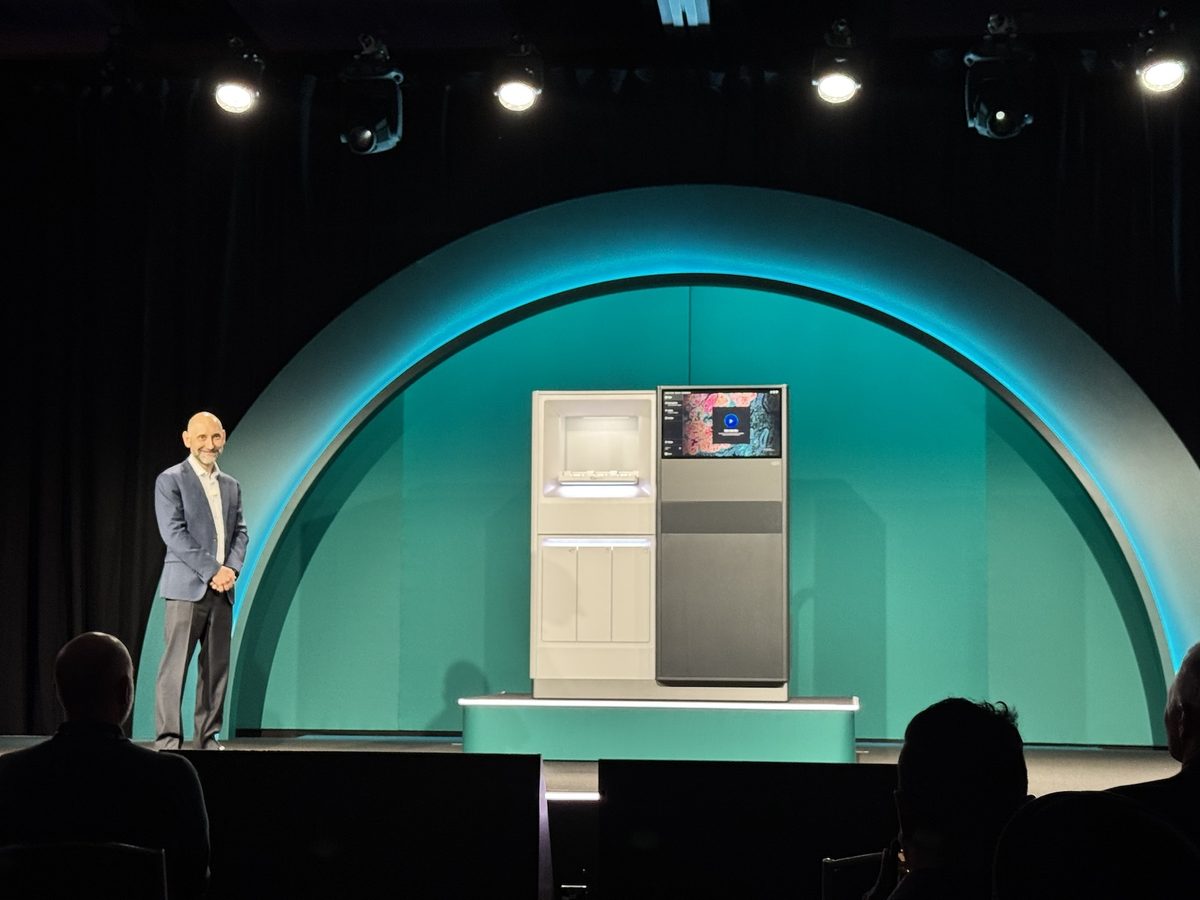
10x Genomics announced Sentira on September 29, a cloud platform that analyzes spatial gene-expression data using NVIDIA GPU acceleration. For users of its Xenium and Atera instruments, Sentira cuts processing from hours to minutes, and early access is free. The announcement landed the same day Atera, 10x's whole-transcriptome spatial instrument, began shipping to customers.

The move extends 10x from making instruments and reagents to owning the full analysis workflow, from tissue sample to biological conclusion. Spatial biology generates datasets too large for conventional computing, and analysis has been a fragmented, multi-tool bottleneck. If researchers adopt Sentira, 10x gains a software revenue stream and deeper customer lock-in.

Why it matters

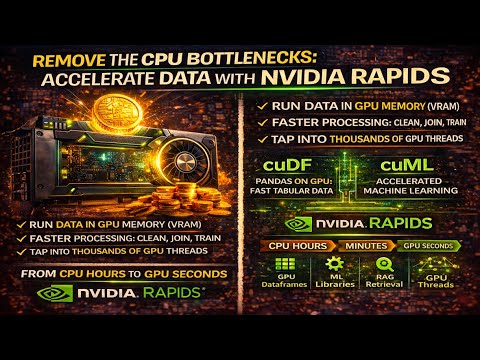
Spatial datasets are too large for conventional computing; 10x's GPU-accelerated cloud cuts analysis from hours to minutes.

Questions about this story

Free account needed to ask — your question is kept and asked for you right after sign-up. Answers are public.

No questions yet — be the first to ask.

Key Indicators

10+
Years 10x has worked in single-cell and spatial biology
Over a decade of instrument and consumables development precedes Sentira.
Hours → minutes
Spatial analysis processing time
GPU acceleration cuts core data processing steps from hours on CPUs to minutes.
Early 2027
Sentira commercial launch window
Free Early Access now; paid consumption-based pricing expected in early 2027.

Voices

Curated perspectives — historical figures and your fellow readers.

Ever wondered what historical figures would say about today's headlines?

Sign up to generate historical perspectives on this story.

People Involved

Organizations Involved

Timeline

April 2026 September 2026

2 events Latest: Yesterday
  1. 10x announces Sentira cloud analysis platform

    Latest Product Launch

    Sentira Spatial launches free in Early Access with NVIDIA GPU acceleration; Atera begins shipping to customers.

  2. 10x announces Atera whole-transcriptome spatial platform

    Product Launch

    10x unveils Atera whole-transcriptome spatial instrument and Catalyst Research Services for sample submission.

Scenarios

1

Sentira launches commercially, becomes 10x's software revenue base

Likely Resolves by Q2 2027

Discussed by: 10x management, Simply Wall St, analysts covering TXG

10x launches Sentira Spatial as a paid platform in early 2027 with consumption-based credits and enterprise subscriptions. Early Access converts researchers into paying customers, and software becomes a measurable revenue line for a company historically reliant on instrument and consumable sales.

2

Early Access adoption stalls, researchers stick with open-source tools

Possible Resolves by Q3 2027

Discussed by: Bioinformatics community using scverse and Scanpy tools, competing analysis platforms

Researchers already use open-source tools like Scanpy for single-cell and spatial analysis. If Sentira's early-access experience does not meaningfully beat that workflow, free users will not convert to paid tiers. 10x would then delay or rescope the commercial launch.

3

Sentira becomes the standard spatial-analysis stack via NVIDIA integration

Possible Resolves by End of 2027

Discussed by: NVIDIA life-sciences team, 10x software leadership

GPU acceleration becomes the default for spatial transcriptomics. 10x deepens the NVIDIA partnership, rapids-singlecell becomes a standard analysis layer, and multi-sample analysis ships, making Sentira the tool of choice for large spatial studies.

Historical Context

2 moments from history that rhyme with this story — and how they unfolded.

2012

Illumina launches BaseSpace cloud platform (2012)

Illumina, dominant in DNA sequencing instruments, launched BaseSpace, a cloud platform letting researchers store and analyze sequencing data without local computing infrastructure. It paired with Illumina's sequencers as the company's analysis companion.

Then

BaseSpace became the default companion for Illumina instruments, keeping analysis inside Illumina's ecosystem.

Now

The pattern of hardware makers owning the analysis layer became standard in genomics. Illumina later added accelerated analysis through its DRAGEN pipeline.

Why this matters now

10x is executing the same pattern with Sentira: instrument plus cloud analysis, using GPU acceleration to handle spatial datasets far larger than sequencing-era data.

2019

NVIDIA acquires Parabricks for GPU genomics (2019)

NVIDIA acquired Parabricks, whose software used GPUs to accelerate DNA variant-calling analysis from days to minutes. It became the core of NVIDIA's genomics acceleration push.

Then

Parabricks gave NVIDIA a foothold in genomics analysis, with GPU acceleration replacing CPU-bound pipelines.

Now

NVIDIA's life-sciences work expanded toward single-cell analysis, culminating in rapids-singlecell, co-developed with scverse and now integrated into Sentira.

Why this matters now

Sentira extends the same GPU-acceleration approach from DNA reads to spatial transcriptomics, a newer and much denser data type.

Sources

(7)