
Pull to refresh
Logo
Appeals court rules FCC unlawfully created telecom subsidy administrator

Appeals court rules FCC unlawfully created telecom subsidy administrator

Rule Changes

Fifth Circuit says FCC had no authority to establish the fund's private administrator

Yesterday: Fifth Circuit invalidates USAC's creation

Overview

Updated 1 hour ago

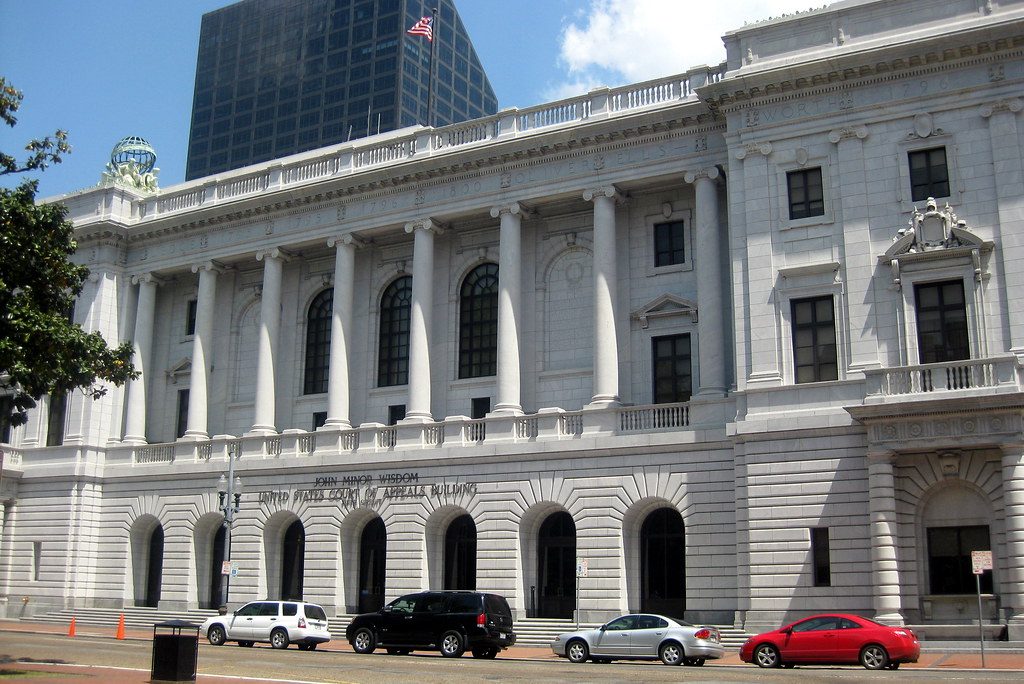
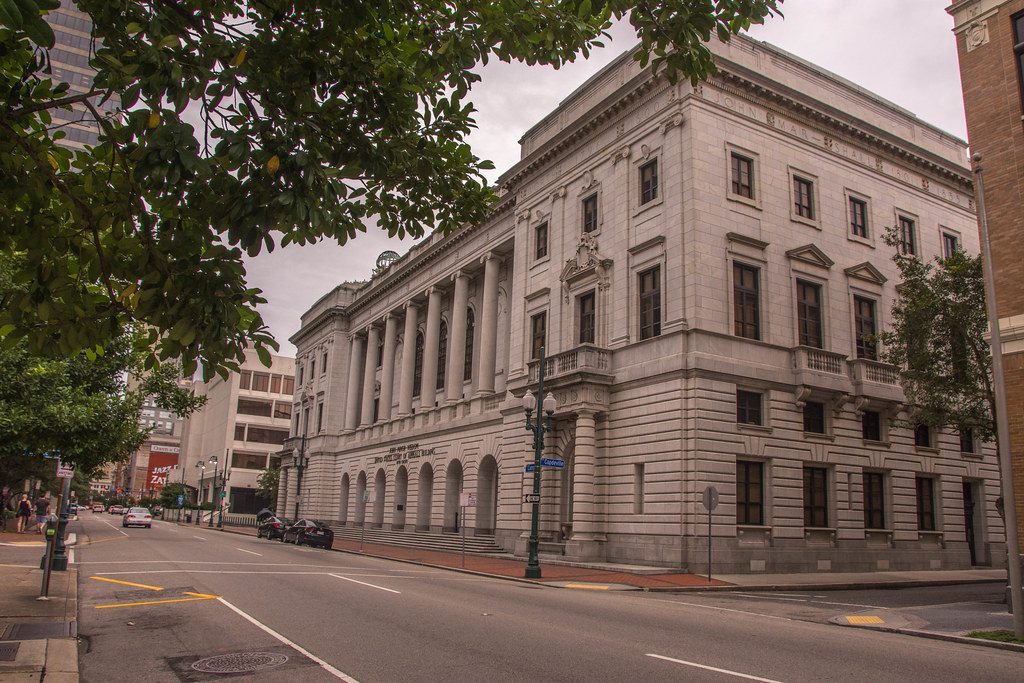
A federal appeals court ruled October 15 that the FCC violated federal law when it created the private nonprofit that collects and distributes roughly $9 billion a year for subsidized phone and internet service. The U.S. Court of Appeals for the Fifth Circuit said Congress never explicitly authorized the Universal Service Administrative Co., which violates the Government Corporation Control Act's requirement of congressional approval for government corporations.

The court vacated the FCC's fourth-quarter 2025 contribution factor. The order won't take effect for at least two months, the FCC said, and the agency is weighing its options. If the ruling stands, the fund—which served 7.5 million low-income households in 2024 and subsidized internet for 54 million students through schools and libraries—loses its collection mechanism.

Why it matters

If the ruling stands, millions of low-income and rural Americans could lose phone and internet subsidies funded by $9 billion a year.

Questions about this story

Free account needed to ask — your question is kept and asked for you right after sign-up. Answers are public.

No questions yet — be the first to ask.

Key Indicators

$9B
Annual Universal Service Fund size
Collected from telecom carriers and passed on to consumers; subsidizes phone and broadband access.
7.5M
Low-income households served in 2024
Recipients of the fund's Lifeline-style support for phone and internet service.
54M
Students served through school and library subsidies
118,000 schools and libraries received $7 billion over three years for internet access.
6–3
Supreme Court vote upholding USF funding in June 2025
The Court rejected the 'misbegotten tax' argument, but a footnote left room for a new challenge.

Voices

Curated perspectives — historical figures and your fellow readers.

Ever wondered what historical figures would say about today's headlines?

Sign up to generate historical perspectives on this story.

People Involved

Organizations Involved

Timeline

1996 October 2026

6 events Latest: Yesterday
Tap a bar to jump to that date
  1. FCC creates USAC

    Administrative

    The FCC establishes the Universal Service Administrative Co., a private nonprofit, to collect contributions and run the fund.

  2. Telecommunications Act becomes law

    Legislation

    Congress authorizes the FCC to operate a Universal Service Fund with contributions from telecom companies.

Scenarios

1

FCC wins again at the Supreme Court

Possible Resolves by Q2 2027

Discussed by: Reuters; Communications Daily

The FCC says it is considering all options, and the two-month delay gives it room to seek a stay and appeal. The Supreme Court already sided with the agency 6-3 in June 2025 on the funding mechanism, so there is recent precedent in its favor. But the new issue, whether USAC's creation violated the Government Corporation Control Act, was not before the Court last time.

2

Congress or the FCC restructures the fund's administration

Possible Resolves by Q2 2027

Discussed by: Bloomberg Law; Communications Daily

The FCC could move contribution collection in-house, or Congress could pass legislation explicitly chartering USAC as a government corporation. Either move would cure the Government Corporation Control Act violation. The fund's size and the millions of beneficiaries give both branches an incentive to act before the two-month window closes.

3

Universal Service Fund faces a funding shortfall

Possible Resolves by Feb 28, 2027

Discussed by: Reuters

If the ruling stands with no stay and no restructuring, the contribution factor is void and telecom carriers stop paying. The fund's four programs—rural high-cost, low-income, schools and libraries, and rural health care—would face shortfalls. The FCC set the Q4 2025 contribution factor via USAC, so a replacement mechanism would need to be built from scratch.

Historical Context

2 moments from history that rhyme with this story — and how they unfolded.

May 1935

A.L.A. Schechter Poultry Corp. v. United States (1935)

The Supreme Court unanimously struck down the National Industrial Recovery Act, ruling Congress had unconstitutionally delegated legislative power to the president. The case grew out of kosher poultry wholesalers in Brooklyn convicted under NIRA code rules.

Then

The NIRA collapsed and the early New Deal recovery program was forced to change course.

Now

Established that Congress must set intelligible principles when delegating rulemaking authority, the framework still used in nondelegation challenges.

Why this matters now

The same question, whether Congress properly delegated authority to an unelected body, runs through the USF litigation, where challengers have repeatedly invoked nondelegation arguments.

June 2022

West Virginia v. EPA (2022)

The Supreme Court, 6-3, held the Clean Air Act did not clearly authorize the EPA's Clean Power Plan regulating power plant emissions. The Court applied the 'major questions doctrine,' requiring explicit congressional approval for agency actions with vast economic and political significance.

Then

The EPA's emissions plan was invalidated and the agency had to start over.

Now

Fortified the major questions doctrine, making courts more willing to scrutinize whether agencies exceeded their statutory authority.

Why this matters now

This ruling reflects the same skepticism of expansive agency authority that led the Fifth Circuit to demand explicit congressional authorization for USAC's creation.

Sources

(4)