


Pull to refresh
Logo
Daily Brief
Following
Why
Treasury sanctions chief exits amid policy rift

Treasury sanctions chief exits amid policy rift

Rule Changes
By Newzino Staff | |

John Hurley's departure signals internal tensions over the scope and targets of U.S. economic pressure campaigns

6 days ago: Hurley Departure Reports Emerge

Overview

John Hurley spent seven months as the Treasury Department's chief sanctions enforcer before friction with Secretary Scott Bessent pushed him toward the exit. His expected departure follows months of internal clashes over how aggressively to wield America's most potent non-military weapon—economic sanctions—and against whom.

The vacancy leaves a critical gap atop the Office of Terrorism and Financial Intelligence, a 1,000-person apparatus that manages sanctions on Russia, Iran, Venezuela, and dozens of other targets. Hurley's exit compounds a broader turnover problem at Treasury: two chiefs of staff have departed, the deputy secretary left in August, and the undersecretary for international affairs remains unfilled. The instability raises questions about who sets sanctions policy when the officials charged with executing it keep leaving.

Key Indicators

7
Months in Role
Hurley was confirmed in July 2025 and is departing in February 2026
51-47
Confirmation Vote
Party-line Senate vote reflected partisan divisions over sanctions policy
~1,000
TFI Employees
Staff at the Office of Terrorism and Financial Intelligence that Hurley oversaw
875+
Iran Designations
Persons, vessels, and aircraft sanctioned in 2025 as part of maximum pressure campaign

Interactive

Exploring all sides of a story is often best achieved with Play.

Ever wondered what historical figures would say about today's headlines?

Sign up to generate historical perspectives on this story.

Sign Up

Debate Arena

Two rounds, two personas, one winner. You set the crossfire.

People Involved

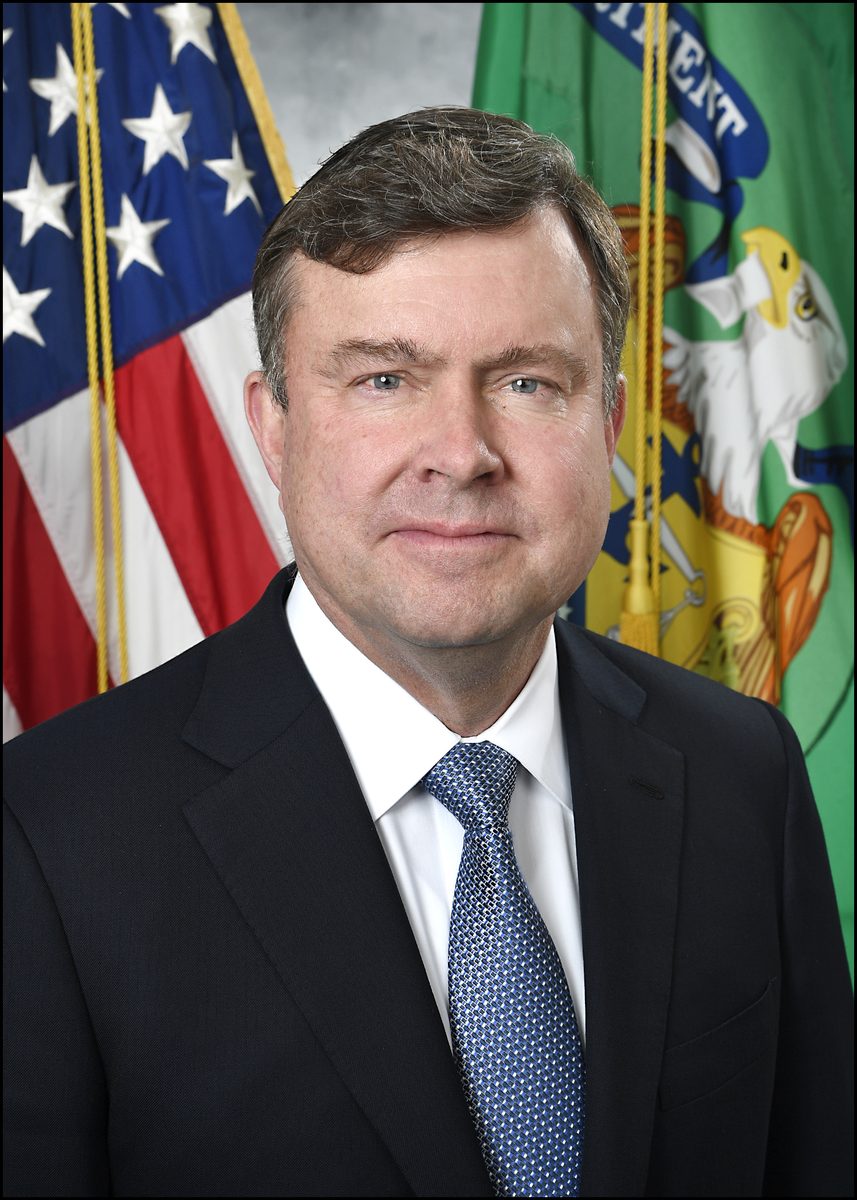
John K. Hurley
John K. Hurley
Under Secretary for Terrorism and Financial Intelligence (departing) (In talks for ambassadorship to Germany)
Scott Bessent
Scott Bessent
Secretary of the Treasury (Serving as 79th Treasury Secretary)

Organizations Involved

Office of Terrorism and Financial Intelligence
Treasury Department Component
Status: Leadership vacancy pending

The Treasury component responsible for developing and implementing U.S. sanctions programs, combating terrorist financing, and protecting the financial system from illicit actors.

U.S. Treasury — Office of Foreign Assets Control (OFAC)
Treasury Department Office
Status: Operating under TFI

The primary office administering and enforcing U.S. economic sanctions based on foreign policy and national security goals.

Timeline

  1. Hurley Departure Reports Emerge

    Personnel

    Bloomberg reports Hurley is set to leave after months of friction with Bessent over sanctions policy direction.

  2. Bessent Signals Venezuela Sanctions Relief

    Policy

    Treasury Secretary tells Reuters additional Venezuela sanctions could be lifted "as soon as next week" to facilitate oil sales.

  3. Chief of Staff Dan Katz Departs

    Personnel

    Bessent's first chief of staff leaves Treasury, followed by successor Michael Friedman.

  4. Treasury Sanctions Russian Energy Giants

    Sanctions

    Bessent announces sanctions on Rosneft and Lukoil, the first direct Russia sanctions under the Trump administration.

  5. Bessent's Top Deputy Departs

    Personnel

    Treasury's deputy secretary steps down, beginning a pattern of senior leadership departures under Bessent.

  6. Senate Confirms Hurley 51-47

    Confirmation

    Party-line vote confirms Hurley as Under Secretary for Terrorism and Financial Intelligence.

  7. Hurley Testifies Before Senate Banking Committee

    Hearing

    Hurley pledges to review existing sanctions and coordinate with allies. He signals openness to reducing Syria sanctions.

  8. John Hurley Nominated for TFI

    Nomination

    President Trump nominates hedge fund executive John Hurley to lead Treasury's terrorism and financial intelligence operations.

  9. Bessent Confirmed as Treasury Secretary

    Appointment

    Senate confirms Scott Bessent 68-29. He becomes the first openly gay Treasury Secretary and takes charge of sanctions policy.

Scenarios

1

Hurley Becomes Ambassador to Germany, TFI Gets New Leadership

Discussed by: Bloomberg, AML Intelligence, administration officials

President Trump nominates Hurley as U.S. Ambassador to Germany, keeping a "loyal and valued ally" within the administration while filling a key European diplomatic post. A successor at TFI—likely more aligned with Bessent's approach to Venezuela and the administration's broader deregulation agenda—takes the helm. This scenario maintains institutional knowledge while resolving the internal friction.

2

Extended TFI Vacancy Weakens Sanctions Coordination

Discussed by: Chatham House, sanctions policy analysts, former Treasury officials

If Hurley departs without a swift replacement and the ambassadorship falls through, TFI operates under acting leadership for an extended period. Combined with the unfilled undersecretary for international affairs position and ongoing chief of staff turnover, this creates coordination gaps in sanctions enforcement. Allies and adversaries alike struggle to read U.S. intentions, potentially undermining deterrence effects.

3

Sanctions Policy Shifts Toward Selective Enforcement

Discussed by: Middle East Institute, Council on Foreign Relations, export compliance analysts

Hurley's departure accelerates a broader recalibration of sanctions policy. Treasury maintains aggressive postures on Iran and China while relaxing pressure on Venezuela and potentially Russia if peace negotiations advance. The administration frames this as strategic flexibility; critics argue it signals that sanctions pressure is negotiable based on commercial interests.

4

Congressional Scrutiny of Treasury Instability

Discussed by: Senate Banking Committee members, government watchdog groups

The pattern of senior departures—deputy secretary, two chiefs of staff, and now the sanctions chief—prompts Senate Banking Committee hearings on Treasury Department stability. Democrats raise concerns about market-sensitive agencies losing institutional knowledge; Republicans counter that turnover reflects normal policy evolution. The outcome shapes future confirmation battles.

Historical Context

Sigal Mandelker Departure (2019)

June 2017 - October 2019

What Happened

Sigal Mandelker served as Under Secretary for Terrorism and Financial Intelligence during Trump's first term, overseeing the reimposition of Iran sanctions after the U.S. withdrew from the nuclear deal. She departed in October 2019 for the private sector, leaving the position vacant for over two years.

Outcome

Short Term

Justin Muzinich served as acting Under Secretary while the administration struggled to find a permanent replacement.

Long Term

The extended vacancy demonstrated how TFI leadership gaps can persist without disrupting day-to-day sanctions enforcement, though strategic direction suffers.

Why It's Relevant Today

Hurley's departure after just seven months contrasts sharply with Mandelker's 28-month tenure, suggesting deeper policy disagreements rather than routine private-sector departure.

Treasury-State Department Iran Policy Tensions (2018-2019)

May 2018 - 2019

What Happened

After the U.S. withdrew from the Iran nuclear deal in May 2018, tensions emerged between Treasury officials implementing "maximum pressure" sanctions and State Department diplomats seeking negotiated solutions. Treasury's aggressive enforcement occasionally conflicted with diplomatic outreach efforts.

Outcome

Short Term

Treasury largely prevailed, implementing sweeping sanctions that reduced Iran's oil exports and foreign reserves.

Long Term

The tension established a pattern where sanctions policy becomes a battleground for broader administration foreign policy disputes.

Why It's Relevant Today

The Hurley-Bessent friction echoes earlier Treasury internal debates, but this time the disagreement appears to be between the sanctions chief favoring assertive pressure and a Treasury Secretary pursuing commercial flexibility on Venezuela.

Venezuela Maximum Pressure Campaign (2019-2024)

January 2019 - January 2025

What Happened

The Trump administration imposed extensive sanctions on Venezuela's oil sector starting in 2019, targeting state oil company PDVSA and cutting off the Maduro government from U.S. financial markets. Biden later granted temporary licenses to Chevron before partially reversing course in 2024.

Outcome

Short Term

Sanctions contributed to economic collapse but failed to dislodge the Maduro government or trigger the hoped-for political transition.

Long Term

The campaign demonstrated both the power and limits of economic sanctions as a regime-change tool, informing current debates about when to maintain versus relax pressure.

Why It's Relevant Today

Venezuela sanctions are reportedly a central point of friction between Hurley and Bessent, with the Treasury Secretary signaling openness to relief while career officials and some appointees favor sustained pressure.

10 Sources: