


Pull to refresh
Logo
Daily Brief
Following
Why Ranks Sign Up
U.S. builds new blacklist to punish countries that hold Americans hostage

U.S. builds new blacklist to punish countries that hold Americans hostage

Rule Changes

Afghanistan becomes second country designated as a 'state sponsor of wrongful detention' under framework created in September 2025

March 10th, 2026: Afghanistan designated as state sponsor of wrongful detention

Overview

The United States has designated Afghanistan as a 'state sponsor of wrongful detention,' accusing the Taliban of holding Americans as bargaining chips. Afghanistan is the second country on the blacklist, created by a September 2025 executive order.

The move opens the door to sanctions, export controls, and a potential ban on American travel. Iran was designated two weeks earlier on the same blacklist, which is modeled on the decades-old 'state sponsor of terrorism' framework.

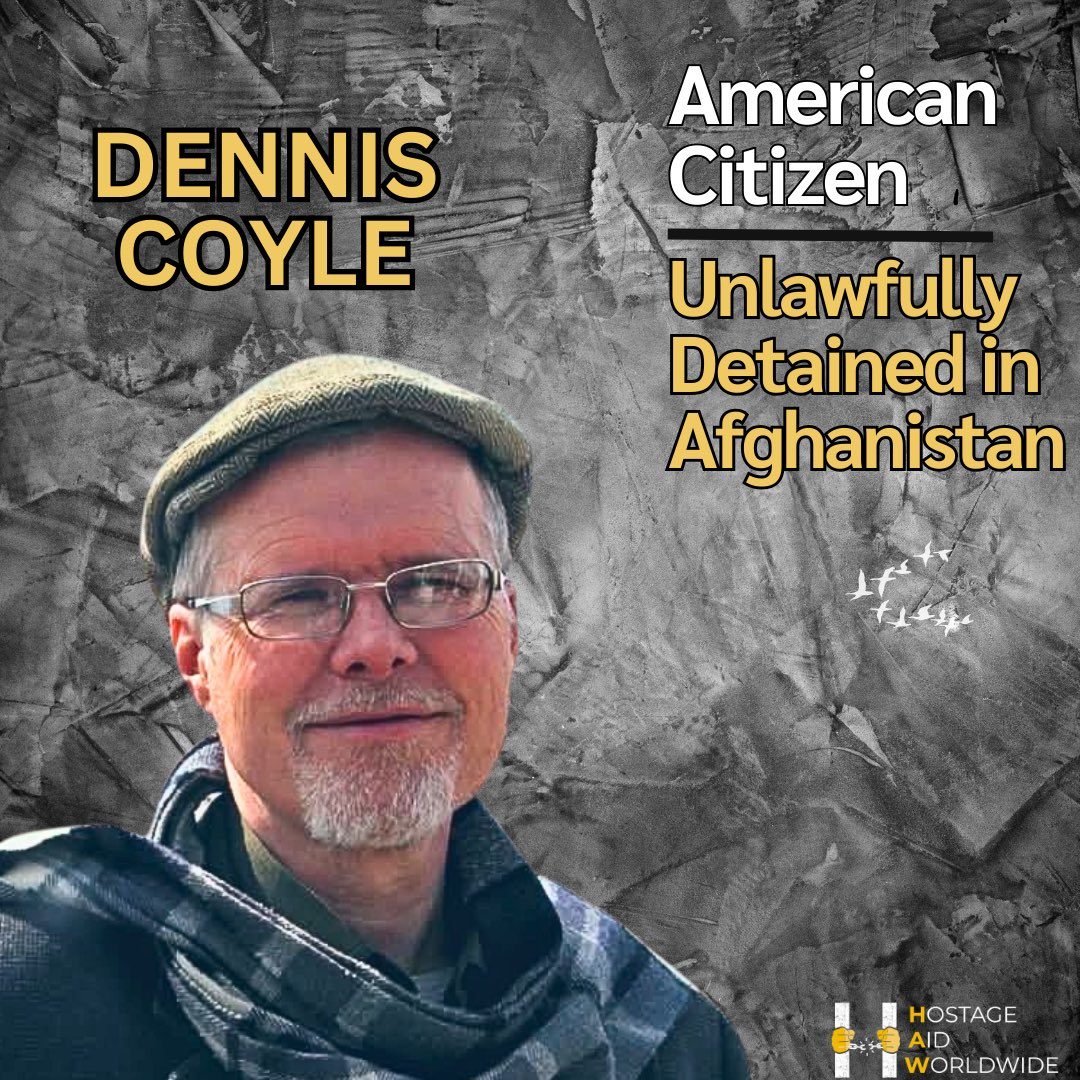
Two Americans remain in Taliban custody: Dennis Coyle, a 64-year-old linguist specializing in Afghan languages, held without charges since January 2025, and Mahmood Habibi, an Afghan-American businessman who vanished in August 2022. Three other Americans detained in recent years were freed through swaps and diplomatic pressure. But the Taliban's pattern of seizing foreigners continues.

Questions about this story

No questions yet — be the first to ask.

Play on this story Voices Debate Predict

Key Indicators

2
Americans still held
Dennis Coyle (since January 2025) and Mahmood Habibi (since August 2022) remain in Taliban custody or unaccounted for.
3
Americans freed since 2025
Ryan Corbett and William McKenty were released in a January 2025 prisoner swap; George Glezmann was freed in March 2025.
2
Countries designated
Iran (February 27, 2026) and Afghanistan (March 10, 2026) are the only countries on the new blacklist so far.
$5M
Reward for Habibi information
The State Department's Rewards for Justice program offers up to $5 million for information leading to Mahmood Habibi's recovery.

Voices

Curated perspectives — historical figures and your fellow readers.

Ever wondered what historical figures would say about today's headlines?

Sign up to generate historical perspectives on this story.

Play

Exploring all sides of a story is often best achieved with Play.

Log in to play. Track your picks, climb the leaderboards. Log in Sign Up
Predict 4 ways this could play out. Contrarian picks score more — points lock when the scenario resolves. Log in to play
Timeline Five events from this story — drag them oldest to newest. Log in to play
Connections Sixteen names from the news. Find the four hidden groups of four. Log in to play

People Involved

Organizations Involved

Timeline

August 2021 March 2026

11 events Latest: March 10th, 2026 · 4 months ago Showing 8 of 11
Tap a bar to jump to that date
  1. Afghanistan designated as state sponsor of wrongful detention

    Latest Designation

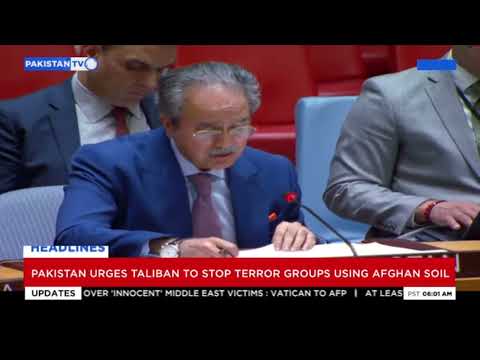
    Secretary of State Rubio designates Afghanistan as the second country on the wrongful detention blacklist. The announcement coincides with Hostage and Wrongful Detainee Day. U.N. Ambassador Waltz accuses the Taliban of hostage diplomacy at a Security Council meeting.

  2. Iran becomes first country designated

    Designation

    Secretary of State Rubio designates Iran as the first state sponsor of wrongful detention, citing decades of detaining Americans for political leverage. Iranian-American journalist Reza Valizadeh remains imprisoned in Iran.

  3. Executive order creates wrongful detention blacklist

    Policy

    President Trump signs an executive order authorizing the Secretary of State to designate countries as 'state sponsors of wrongful detention,' with penalties modeled on the state sponsor of terrorism framework: sanctions, export controls, visa restrictions, and potential travel bans.

  4. State Department escalates Coyle and Habibi cases

    Diplomatic

    Coyle is formally designated as wrongfully detained under the Robert Levinson Act. The Rewards for Justice program offers up to $5 million for information on Habibi's whereabouts.

  5. Taliban release George Glezmann

    Release

    Glezmann is freed after more than two years of detention, described by the Taliban as a 'goodwill gesture.' Qatar facilitates his departure to Doha.

  6. Taliban detain researcher Dennis Coyle

    Detention

    Dennis Coyle, a 64-year-old linguist with nearly two decades of work in Afghanistan, is taken from his Kabul apartment by Taliban intelligence. No charges are filed.

  7. Corbett and McKenty freed in prisoner swap

    Release

    Ryan Corbett and William McKenty are released in a Qatar-brokered exchange for Khan Mohammed, a Taliban member serving a life sentence in California. The deal was struck in the final hours of the Biden administration.

  8. Taliban detain American tourist George Glezmann

    Detention

    George Glezmann, 65, is seized by Taliban intelligence while visiting Kabul. He is held in a small cell, sometimes in underground solitary confinement.

  9. Taliban detain Habibi and Corbett

    Detention

    Mahmood Habibi is seized from his vehicle in Kabul. Ryan Corbett is also kidnapped the same day during a business trip. Habibi has not been heard from since.

  10. U.S. drone strike kills al-Qaeda leader in Kabul

    Context

    A CIA drone strike kills al-Qaeda leader Ayman al-Zawahiri in Kabul. Days later, Taliban intelligence begins detaining individuals allegedly connected to the operation.

  11. Taliban seize control of Afghanistan

    Context

    The Taliban take Kabul as the U.S. completes its military withdrawal, establishing a de facto government that no country formally recognizes.

Historical Context

3 moments from history that rhyme with this story — and how they unfolded.

May 2014

Bowe Bergdahl prisoner exchange (2014)

The Obama administration traded five senior Taliban commanders held at Guantanamo Bay—including the Taliban's former army chief of staff and a deputy intelligence minister—for U.S. Army Sergeant Bowe Bergdahl, who had been held by the Taliban-affiliated Haqqani network since 2009. Qatar brokered the deal and hosted the released Taliban members for one year.

Then

Bergdahl returned to the United States but was later court-martialed for desertion and misbehavior before the enemy. The Government Accountability Office found the Pentagon broke the law by failing to notify Congress before the exchange.

Now

The swap established the template for Taliban hostage negotiations: high-value prisoner exchanges mediated by Qatar. Several of the released Taliban leaders went on to hold senior positions in the Taliban government after it seized power in 2021.

Why this matters now

The Bergdahl exchange demonstrated that the Taliban view hostage-holding as an effective strategy for recovering imprisoned members. The same Qatar-mediated, prisoner-swap model was used to free Ryan Corbett in January 2025, suggesting the pattern is self-reinforcing.

January 2016 - September 2023

Iran-U.S. prisoner swaps (2016-2023)

Iran detained a series of dual-national Americans—including Washington Post journalist Jason Rezaian (held 2014-2016) and businessman Siamak Namazi (held 2015-2023)—and released them through prisoner exchanges. In 2016, four Americans were freed in exchange for seven Iranians. In 2023, five Americans were freed alongside the transfer of $6 billion in frozen Iranian oil revenues from South Korea.

Then

Each swap freed specific Americans but was followed by new detentions, leading critics to argue the exchanges incentivized further hostage-taking.

Now

Iran's pattern of detaining dual nationals became so predictable that analysts described it as a deliberate government strategy rather than isolated judicial actions. The pattern directly motivated the creation of the wrongful detention designation framework.

Why this matters now

Iran's hostage diplomacy is the most direct precedent for the behavior the new designation is designed to deter. Iran became the first country designated under the framework in February 2026, and the same logic was applied to Afghanistan two weeks later.

1979 - present

State sponsor of terrorism designation effects (1979-present)

The State Department first published a state sponsor of terrorism list in 1979, designating Iraq, Libya, South Yemen, and Syria. The designation triggers restrictions on foreign assistance, defense exports, dual-use items, and financial transactions. Currently four countries are on the list: Cuba, Iran, North Korea, and Syria.

Then

Designated countries faced immediate restrictions on arms purchases, foreign aid, and financial access.

Now

The designations proved sticky—removing a country from the list became politically difficult regardless of changed behavior. Banks and companies often continued to avoid designated countries even after sanctions were partially lifted, creating a persistent 'over-compliance' effect. Sudan remained economically isolated long after its 2020 delisting.

Why this matters now

The wrongful detention designation is explicitly modeled on the terrorism sponsor framework. If the same dynamics hold, Afghanistan and Iran may face long-term economic isolation that outlasts any specific detainee case—a feature the administration may view as deterrence, but which could also reduce leverage for future negotiations.

Sources

(13)